
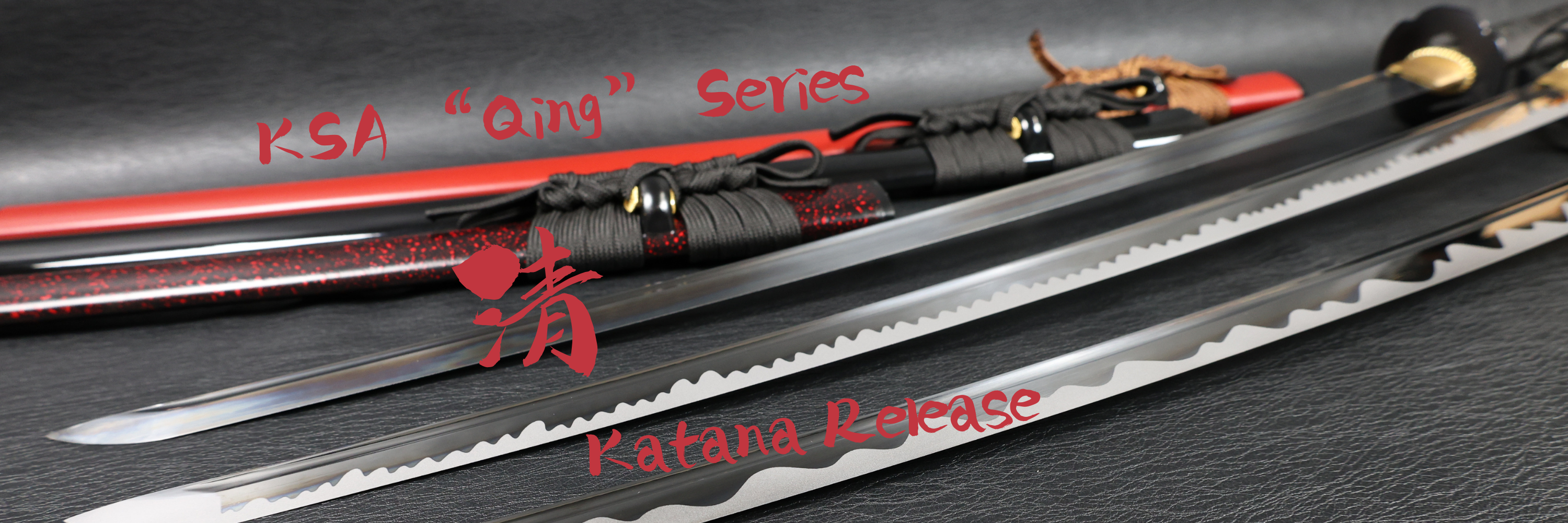
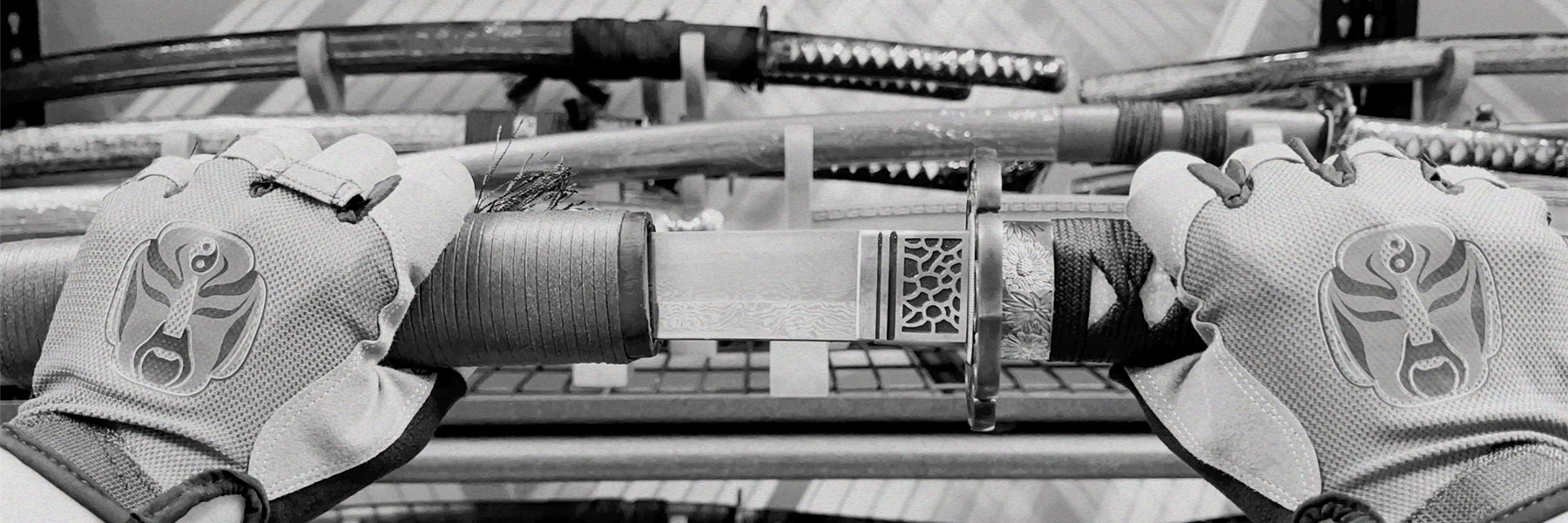
KSA Exclusive Katana
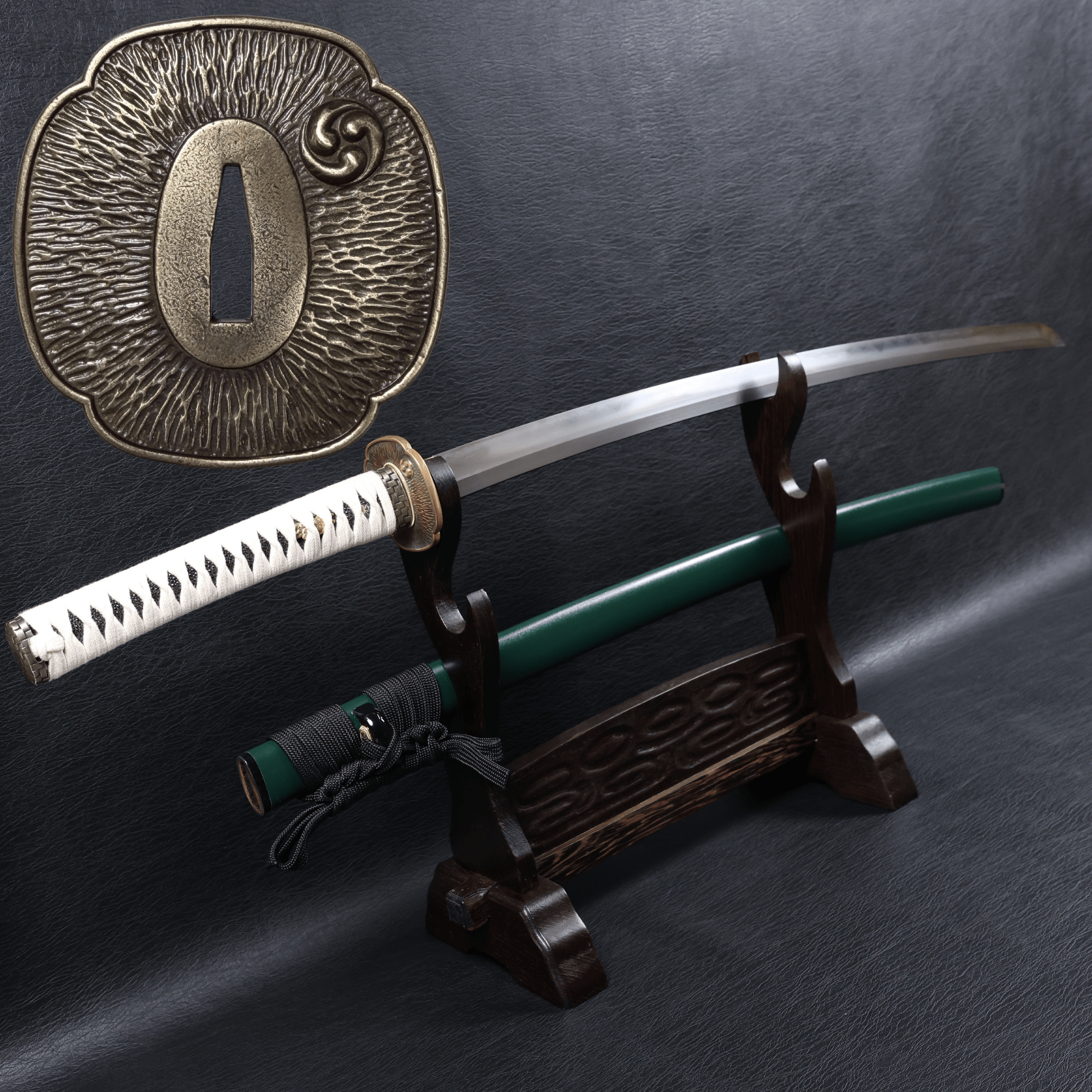
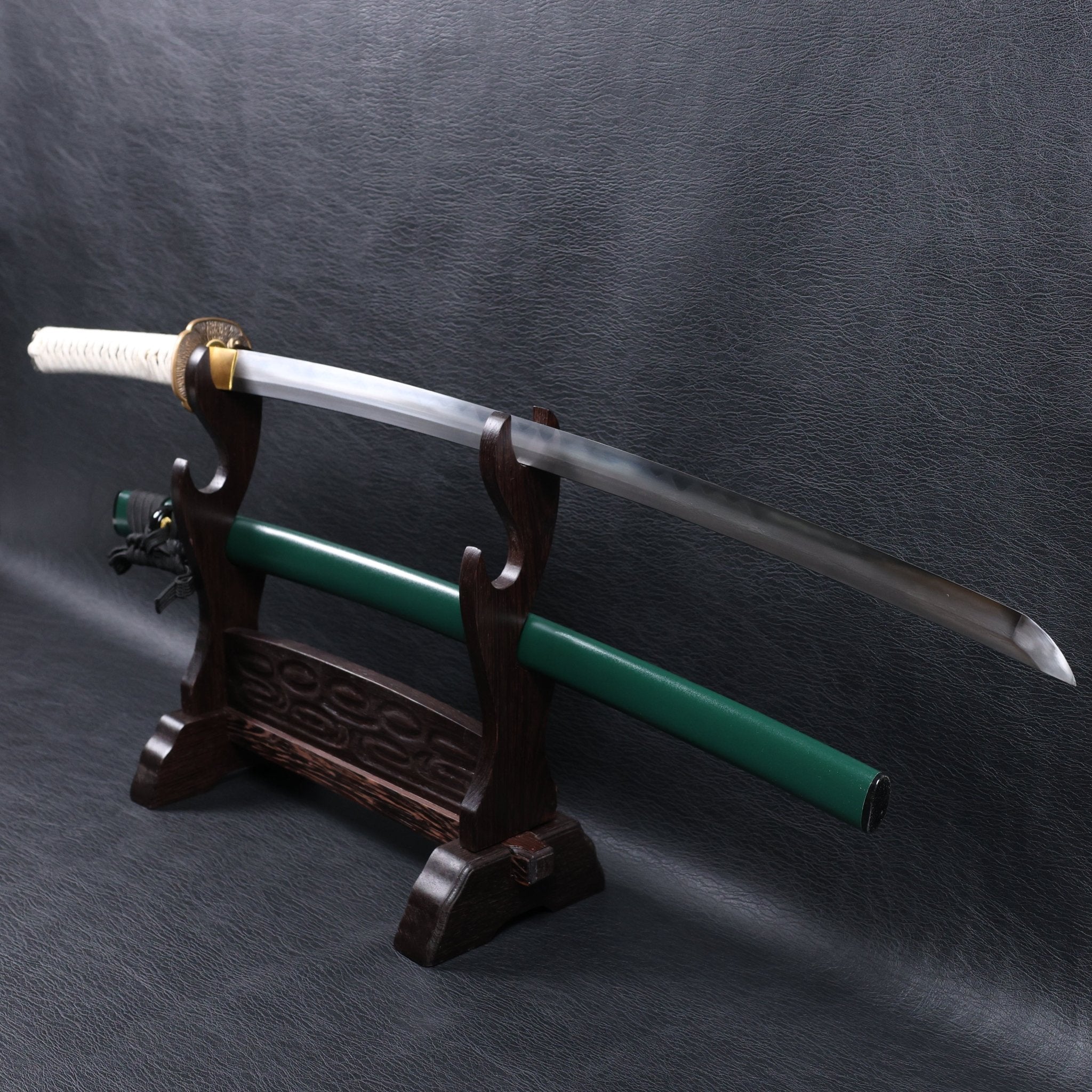
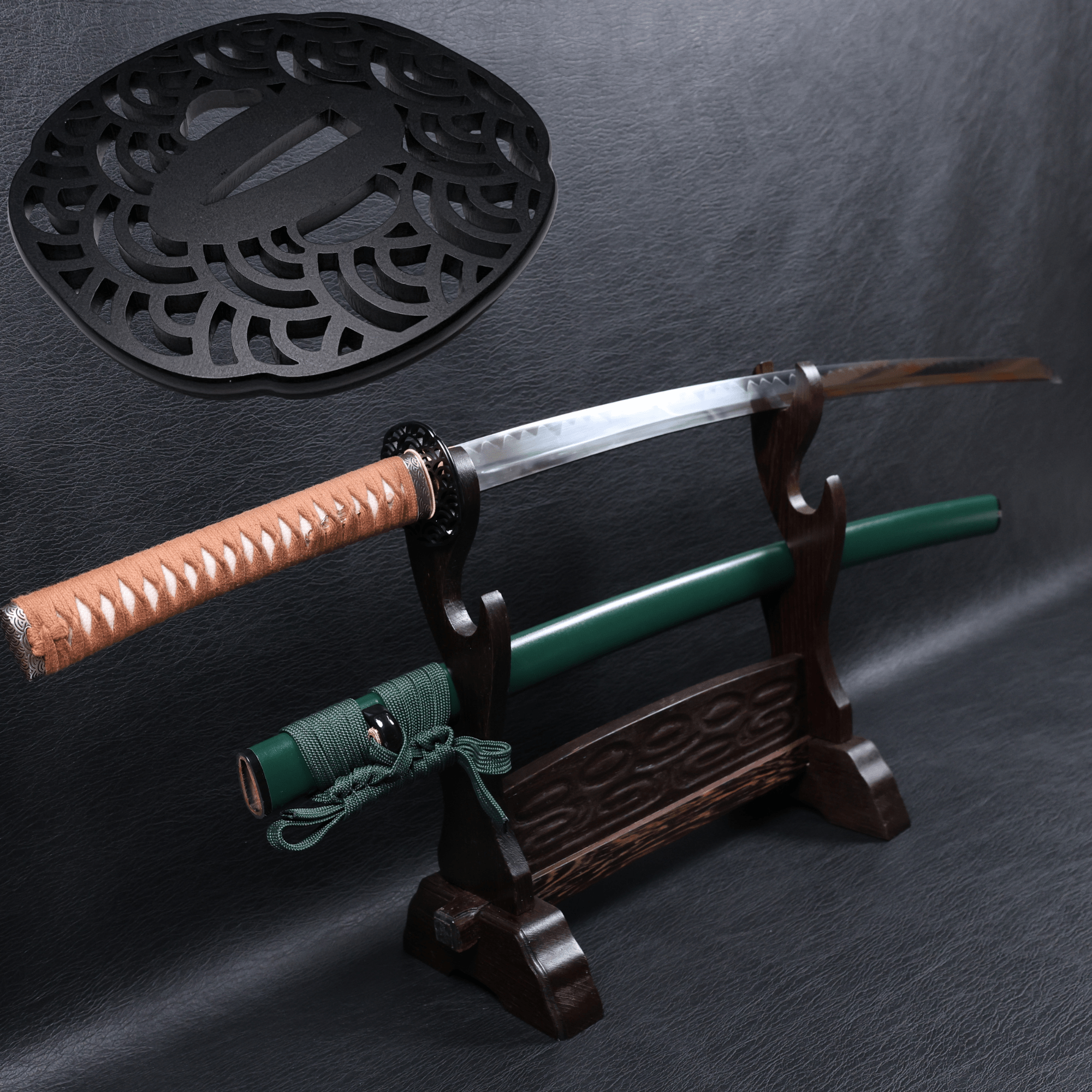
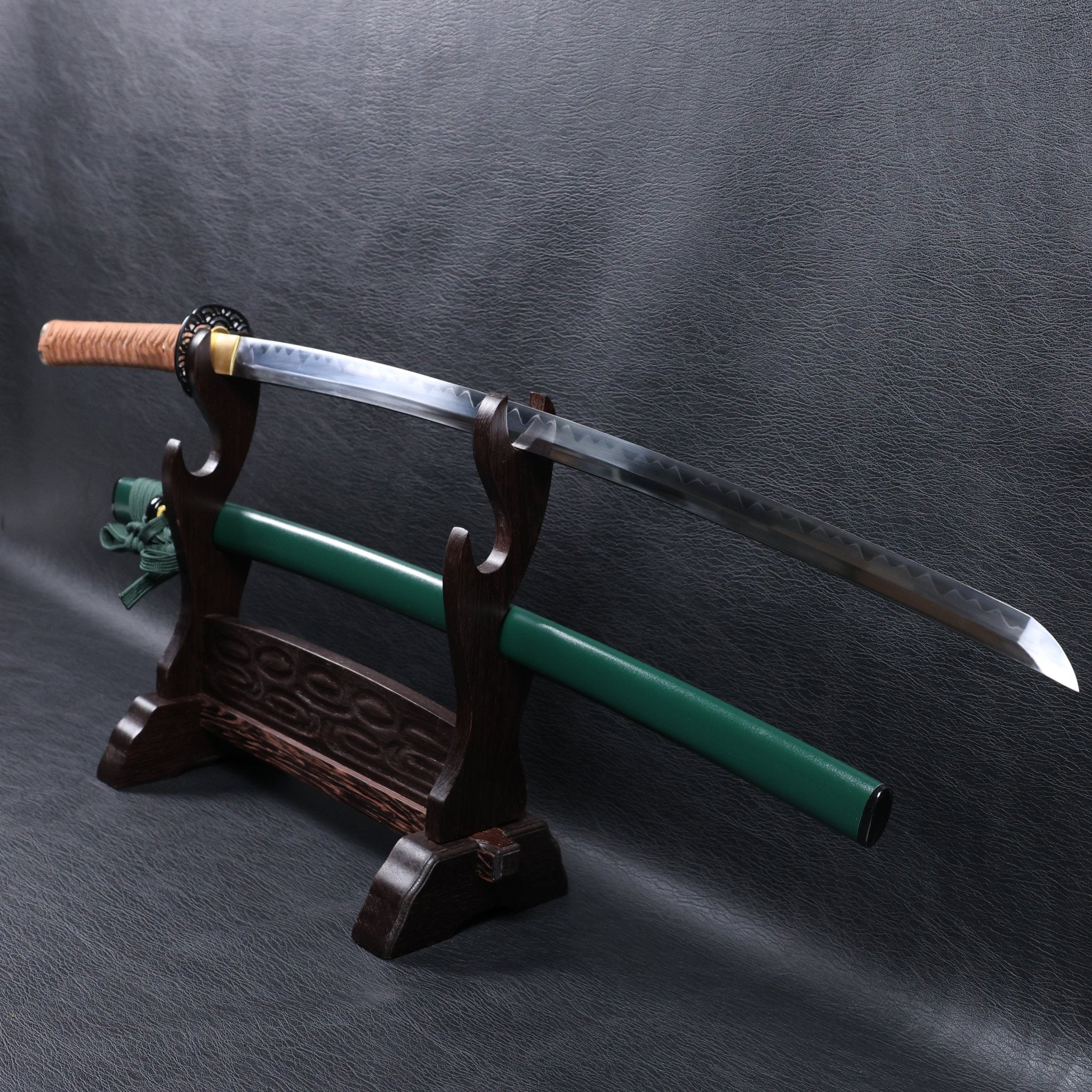
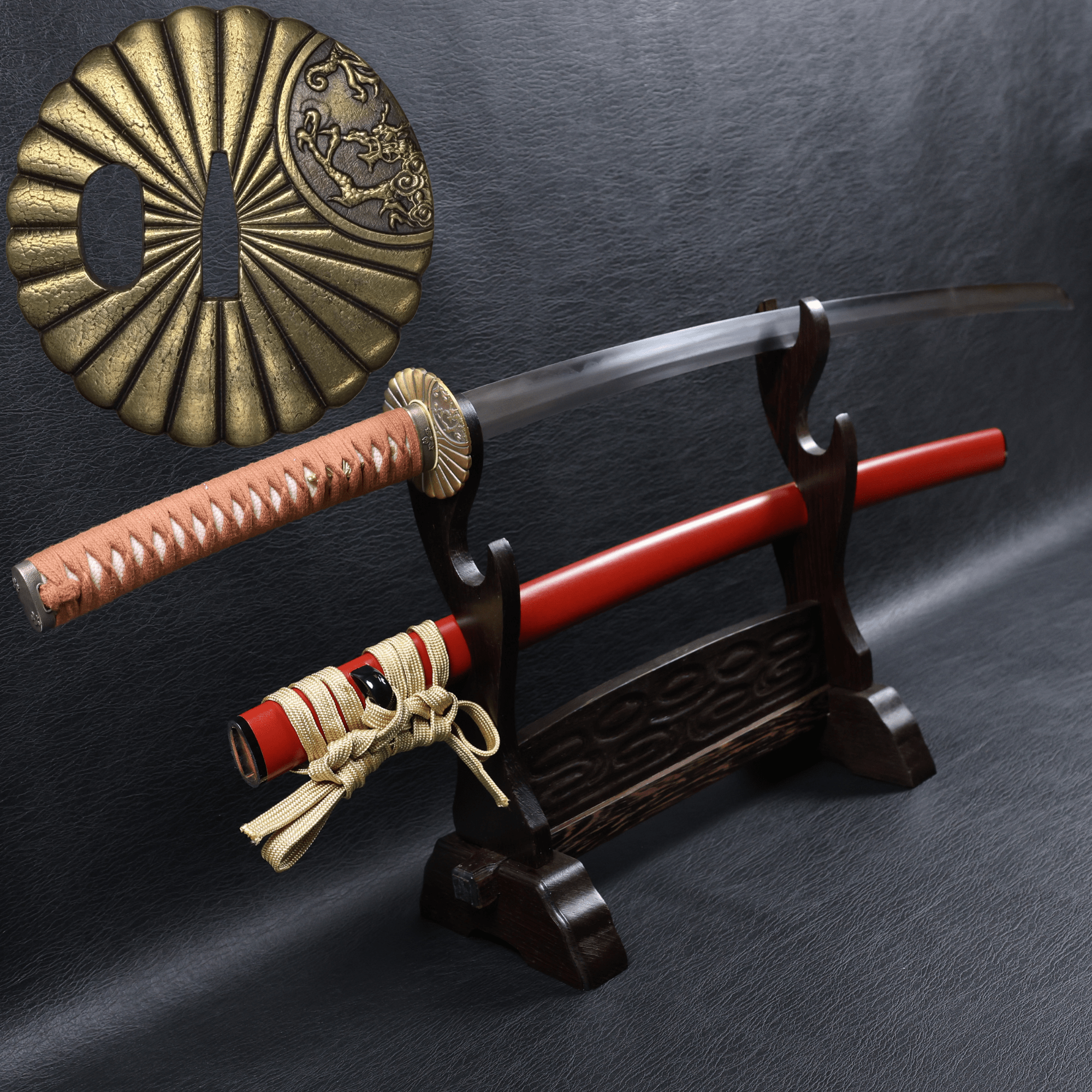
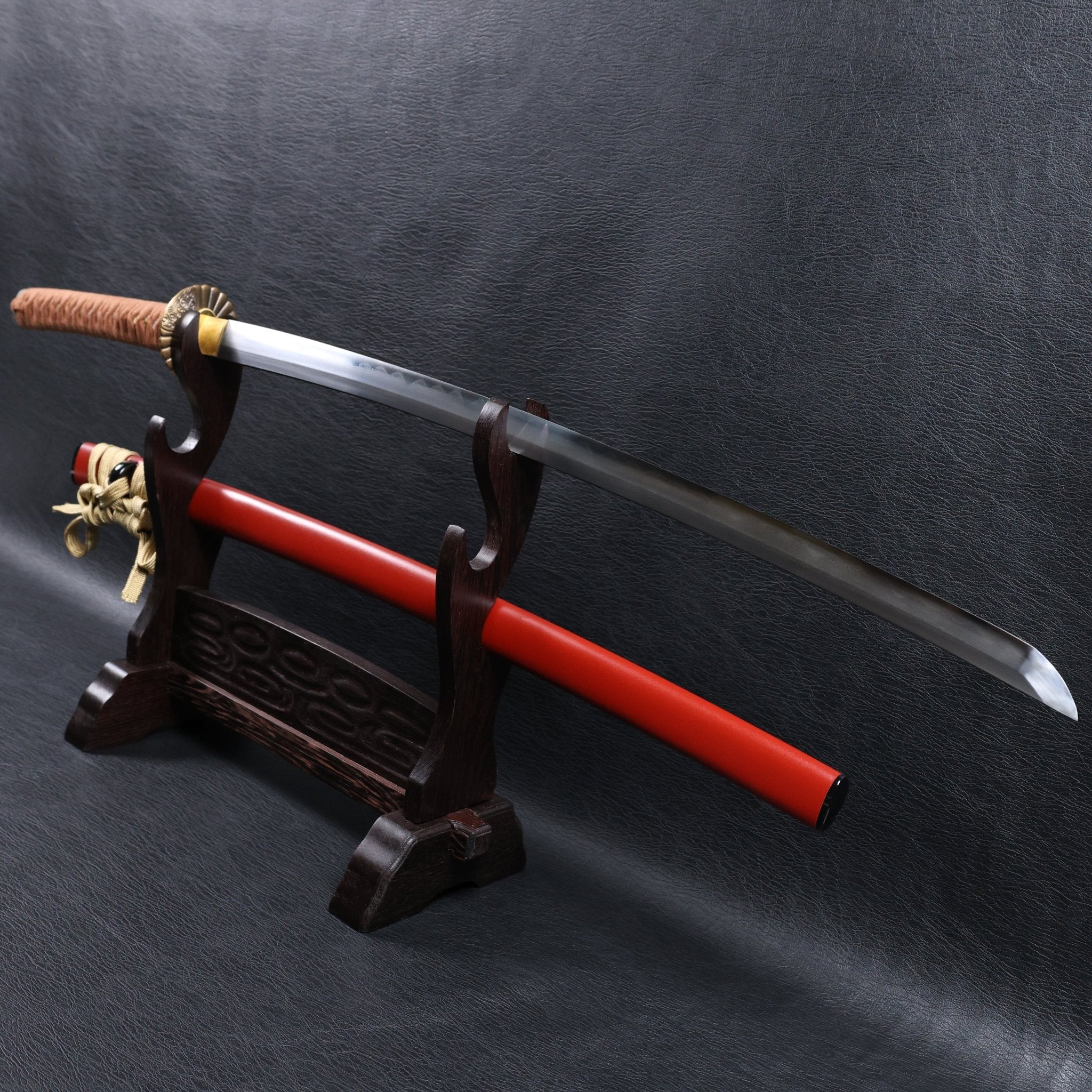
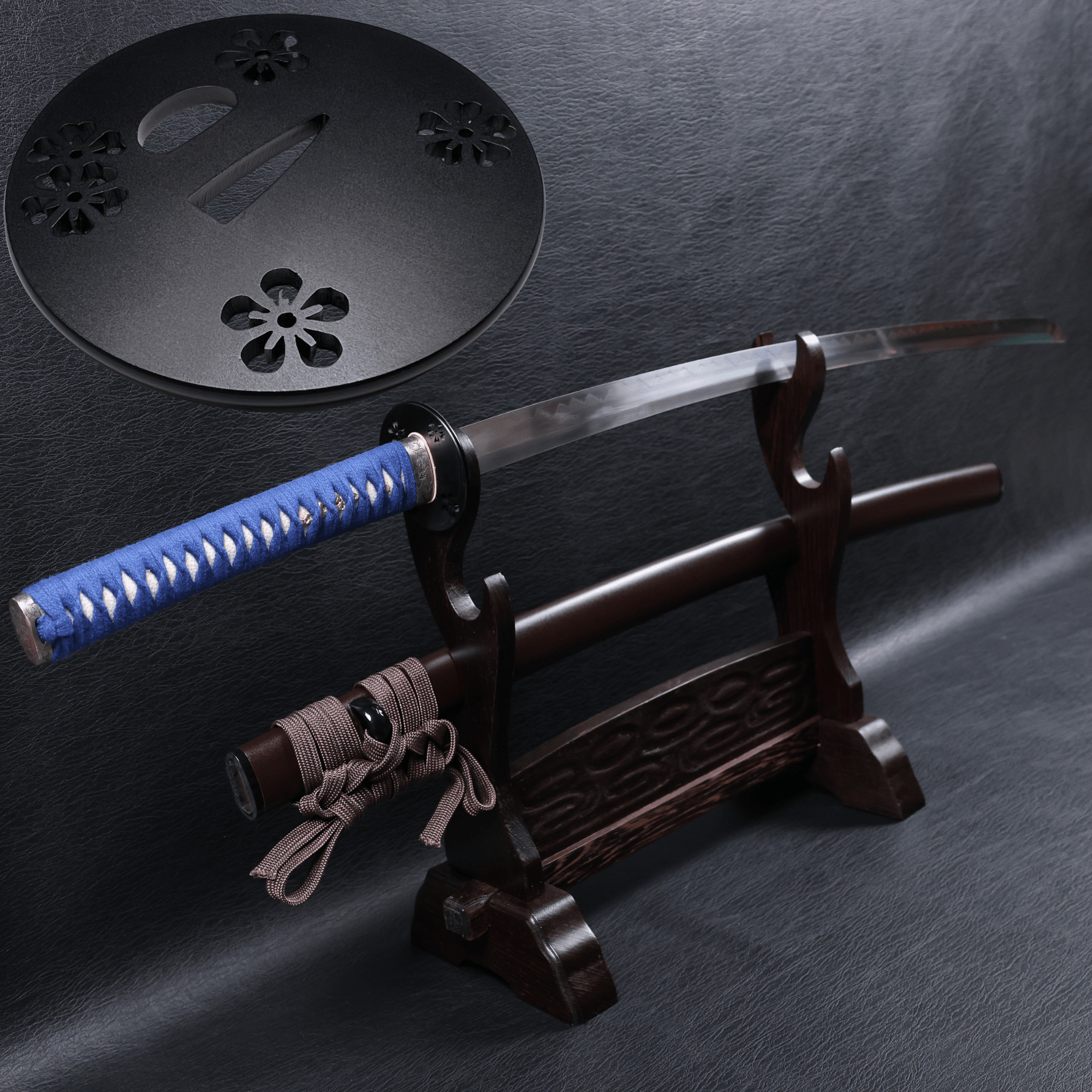
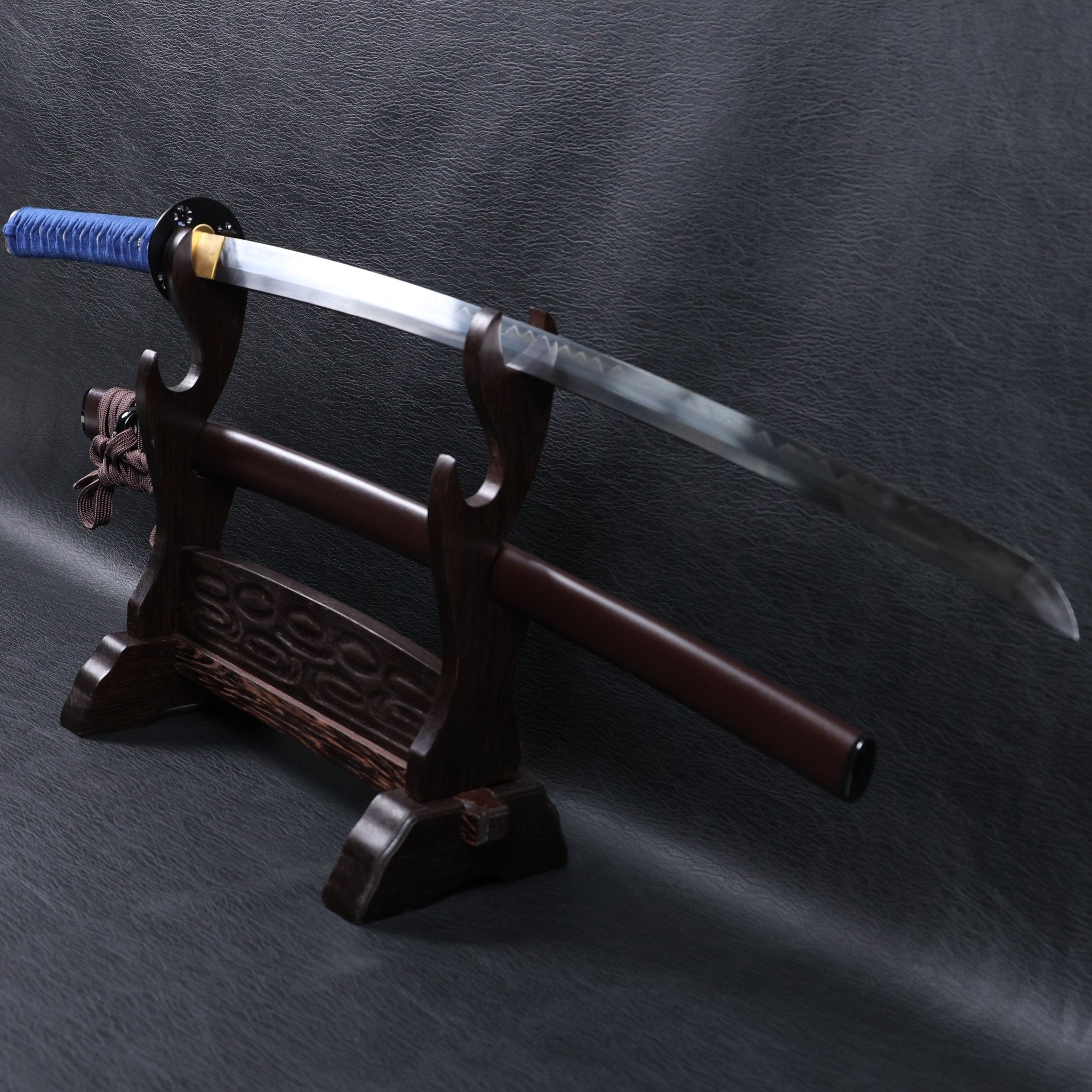
TangGu Sword
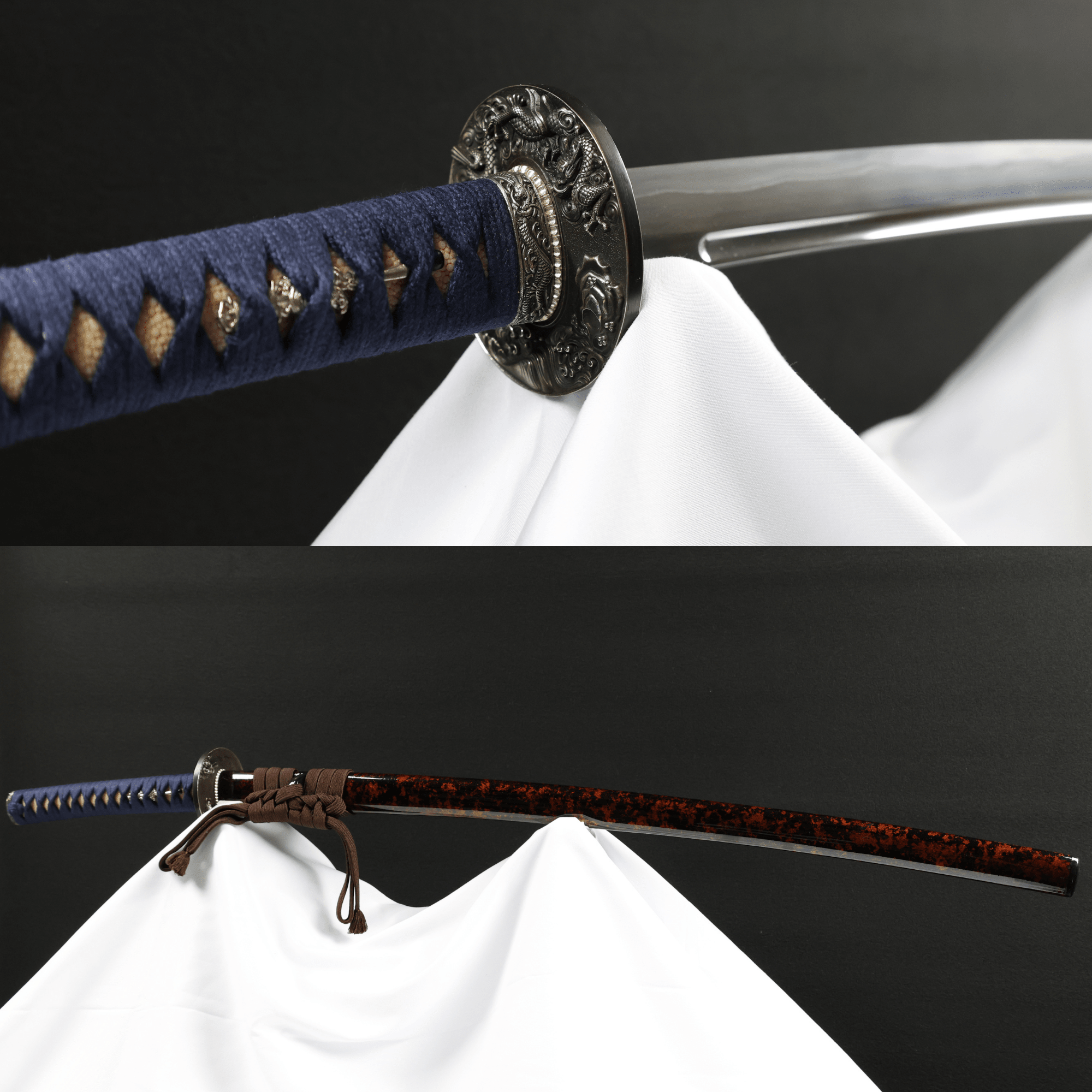
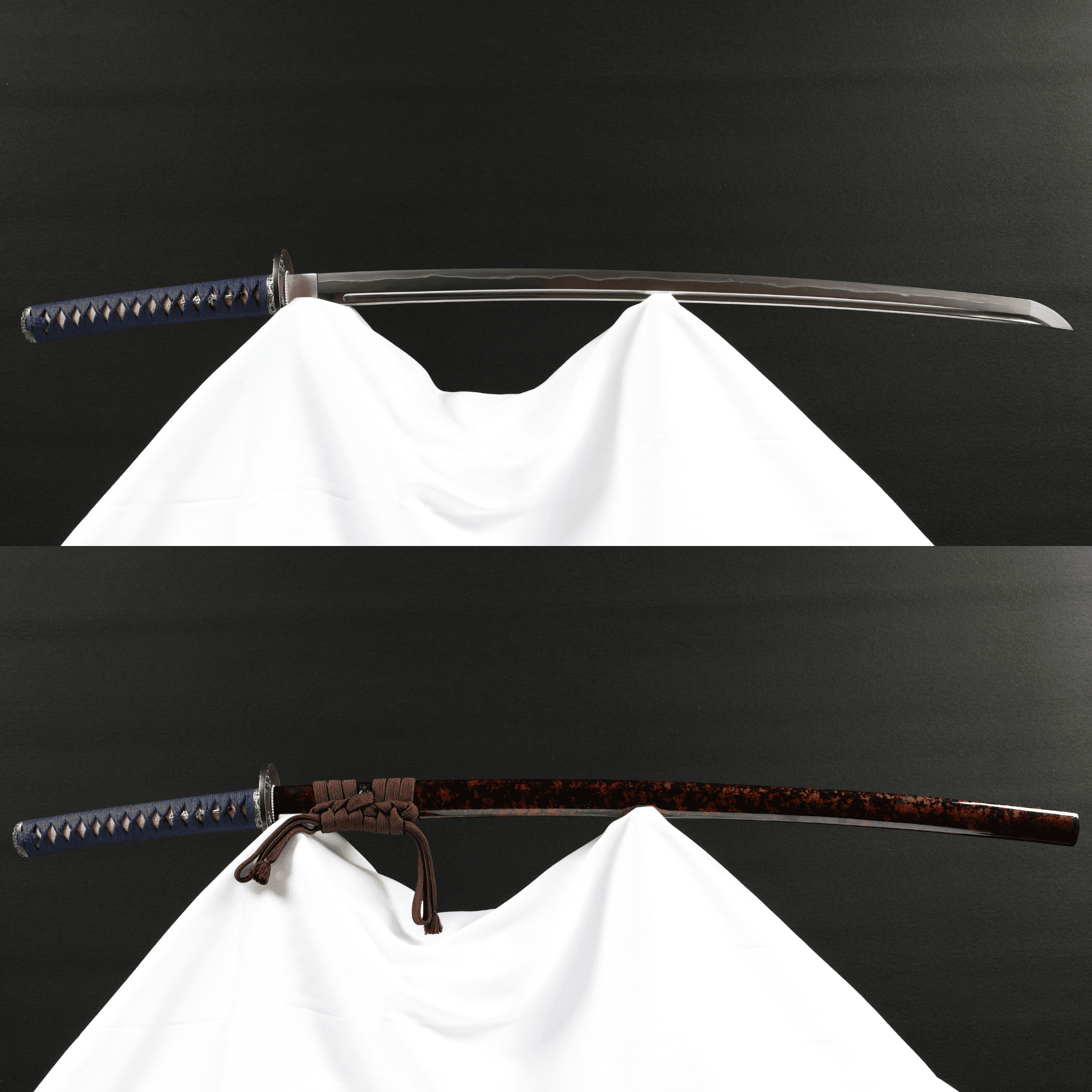
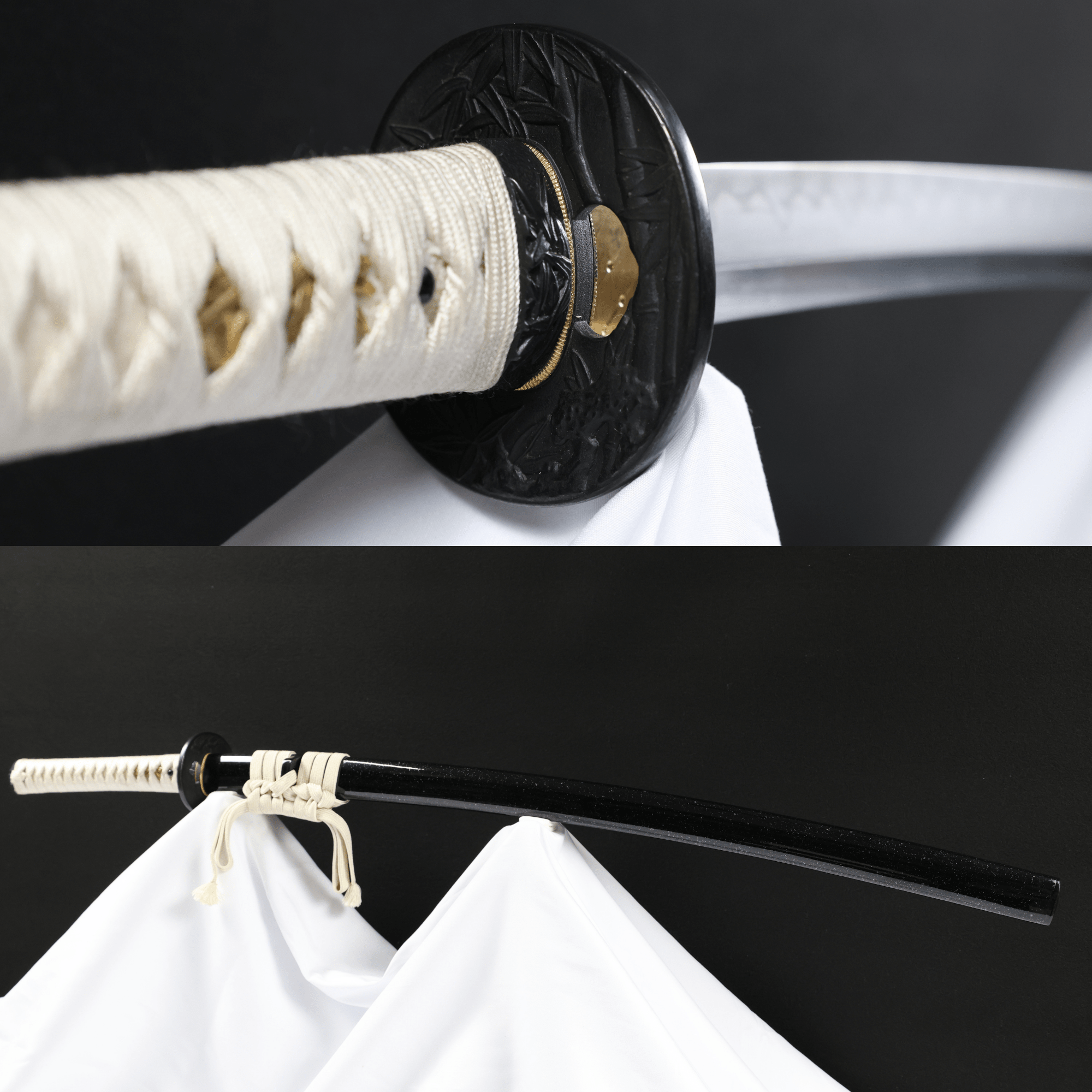
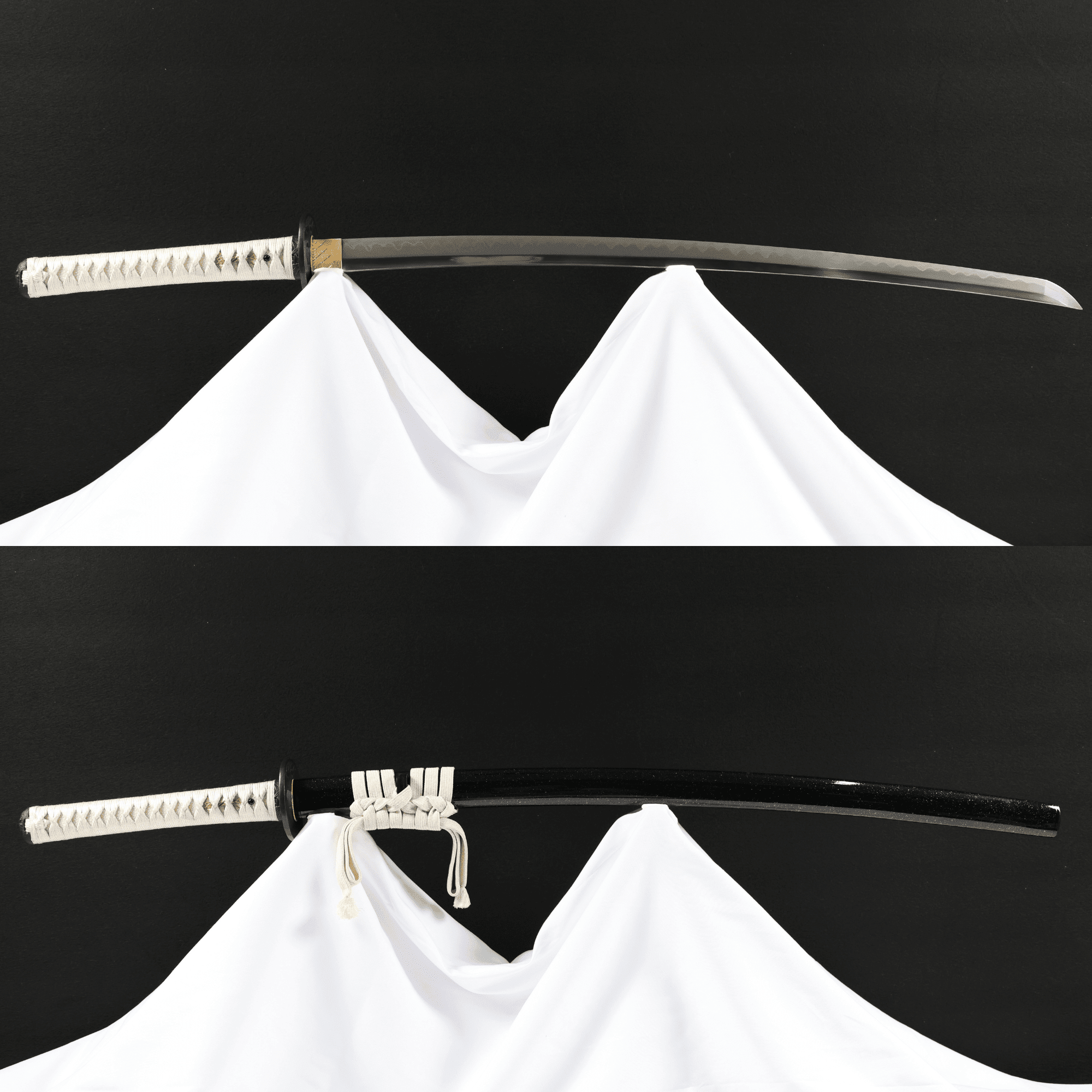
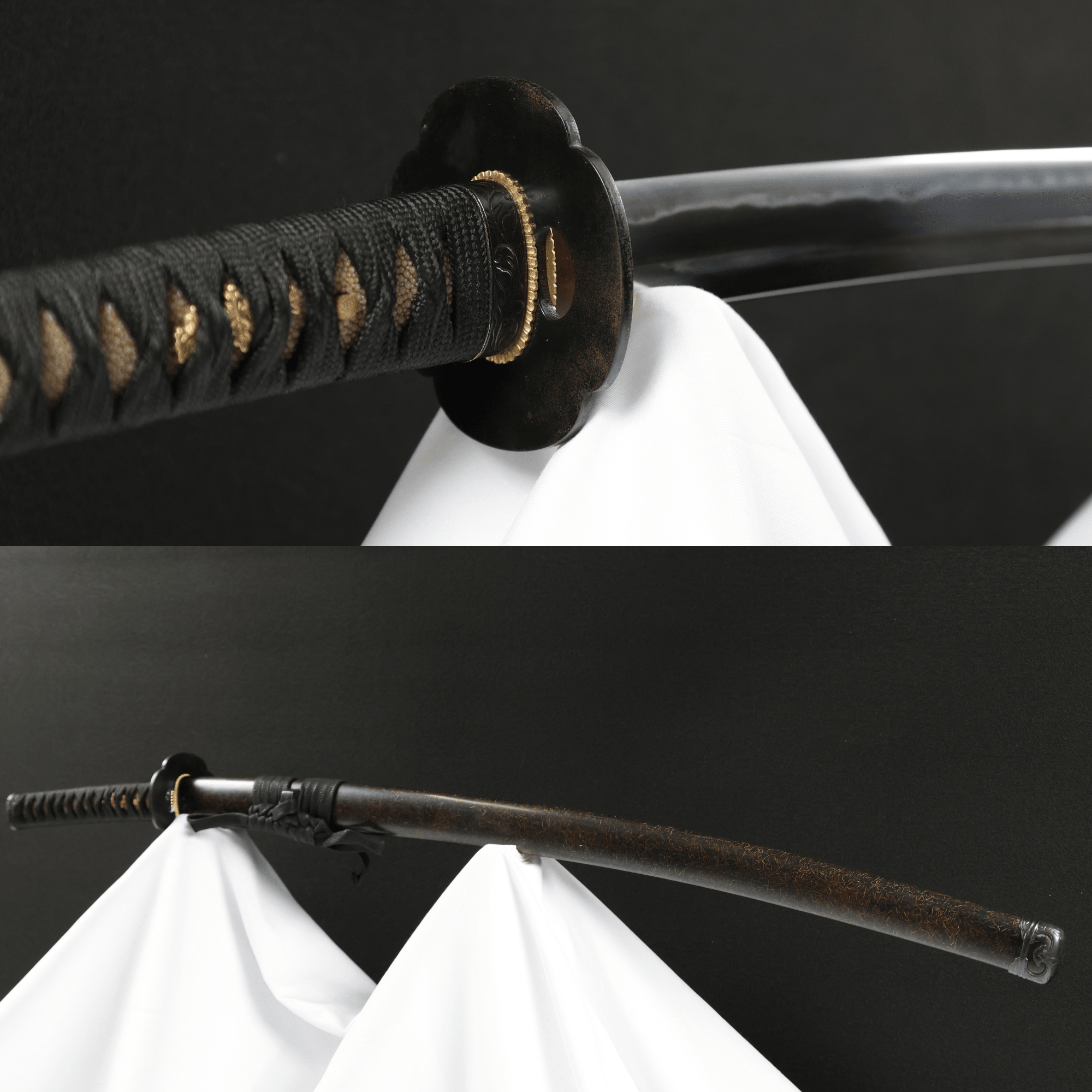
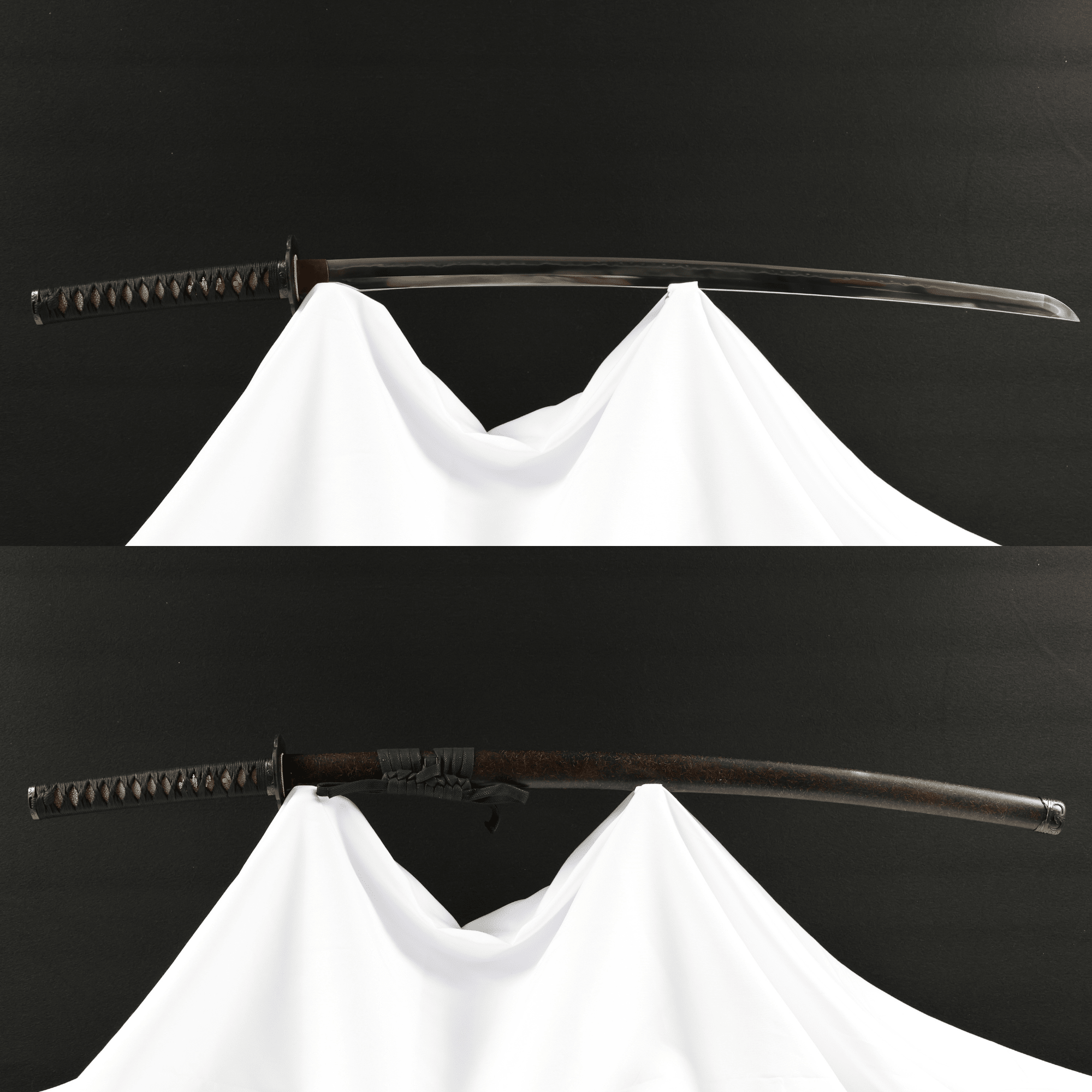
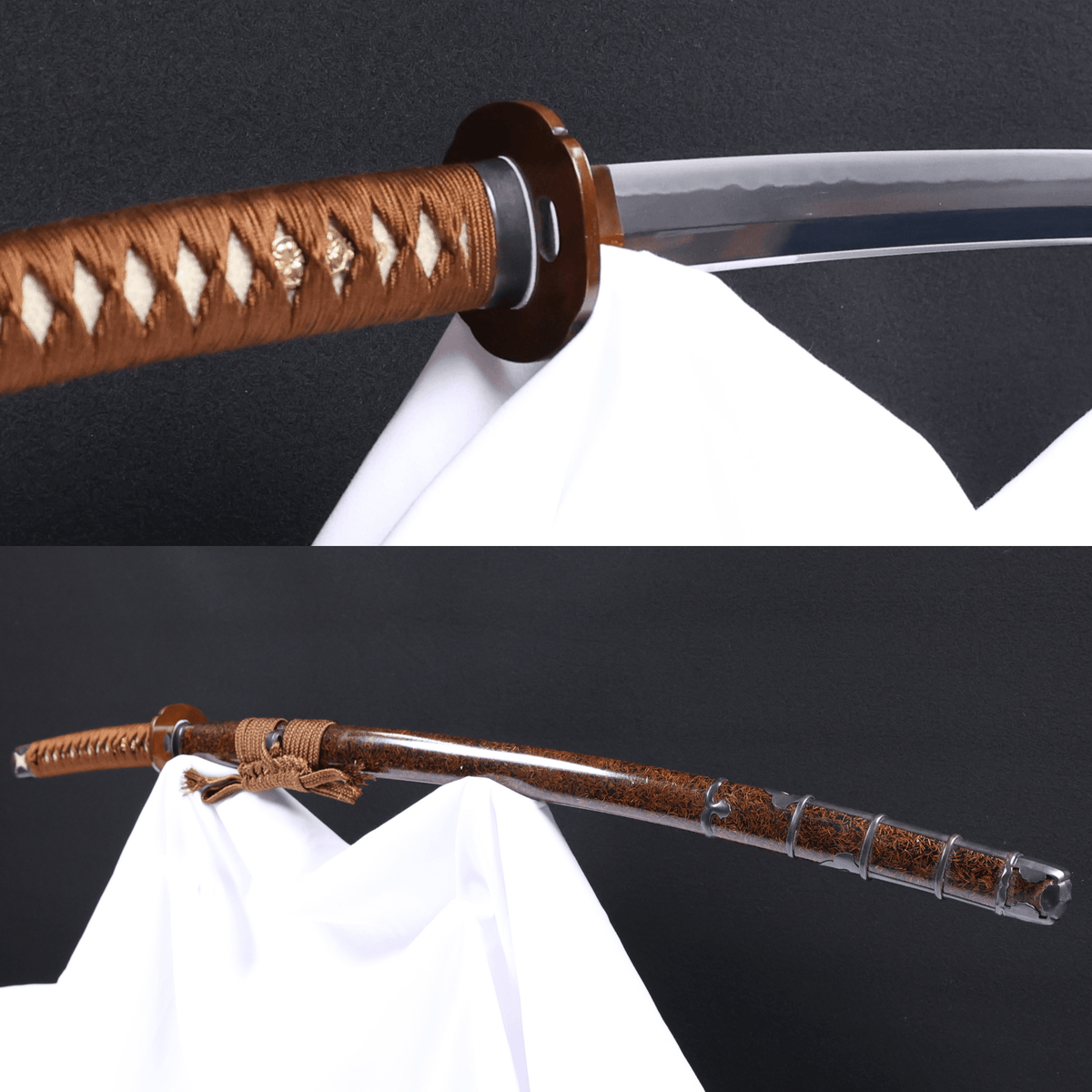
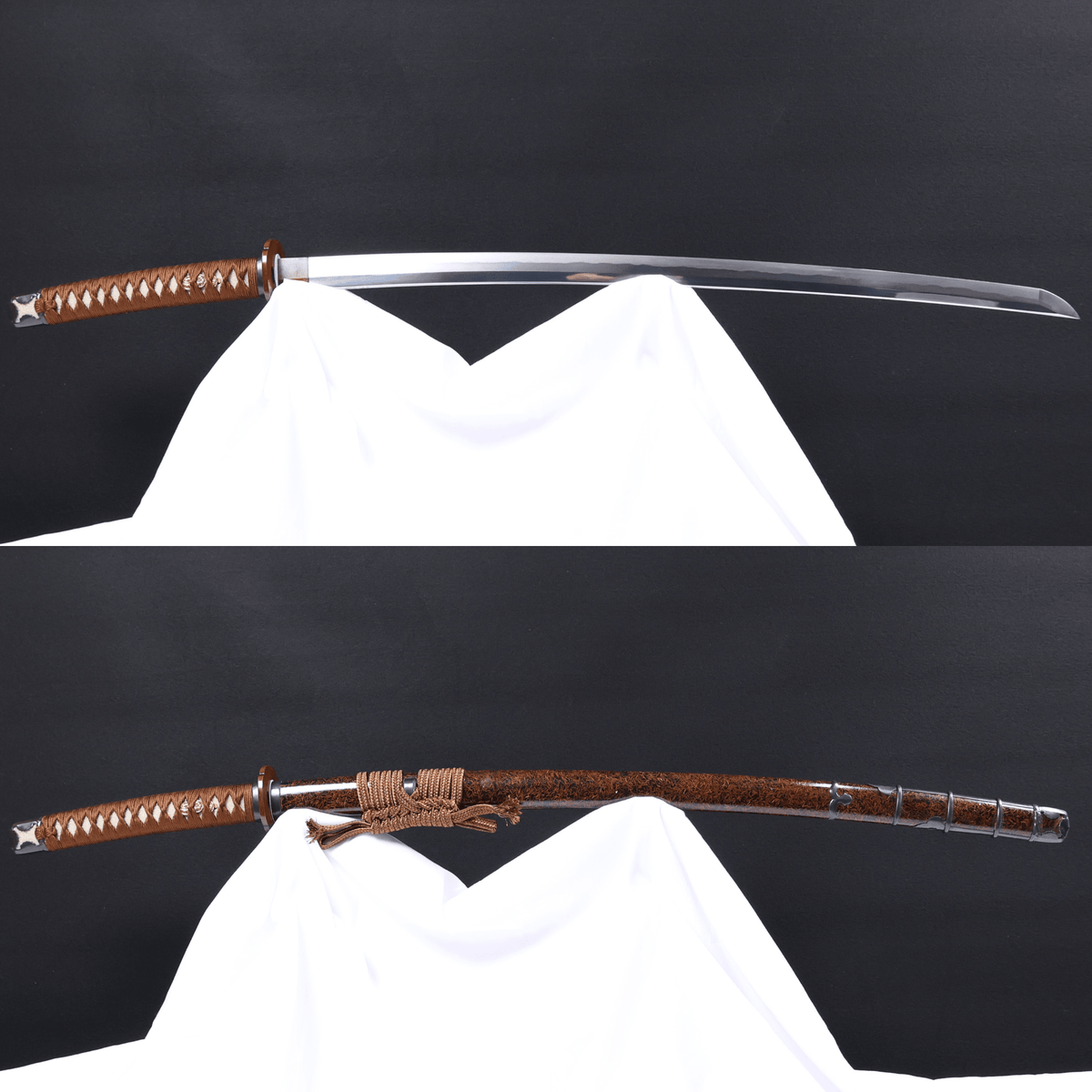
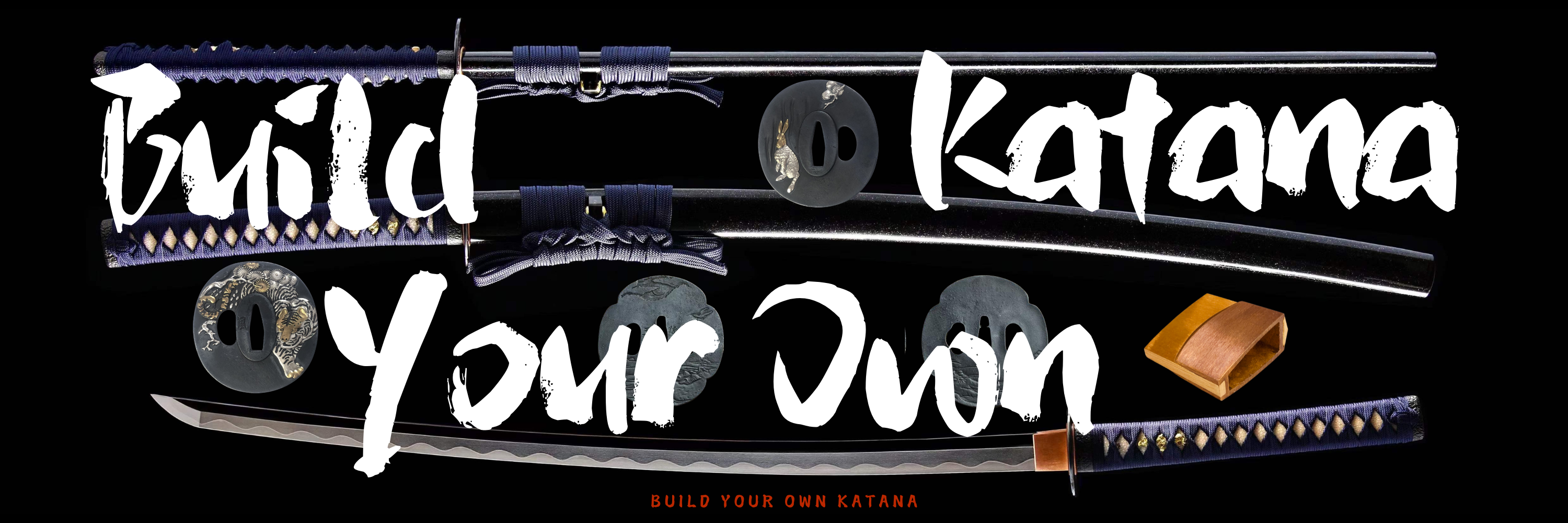
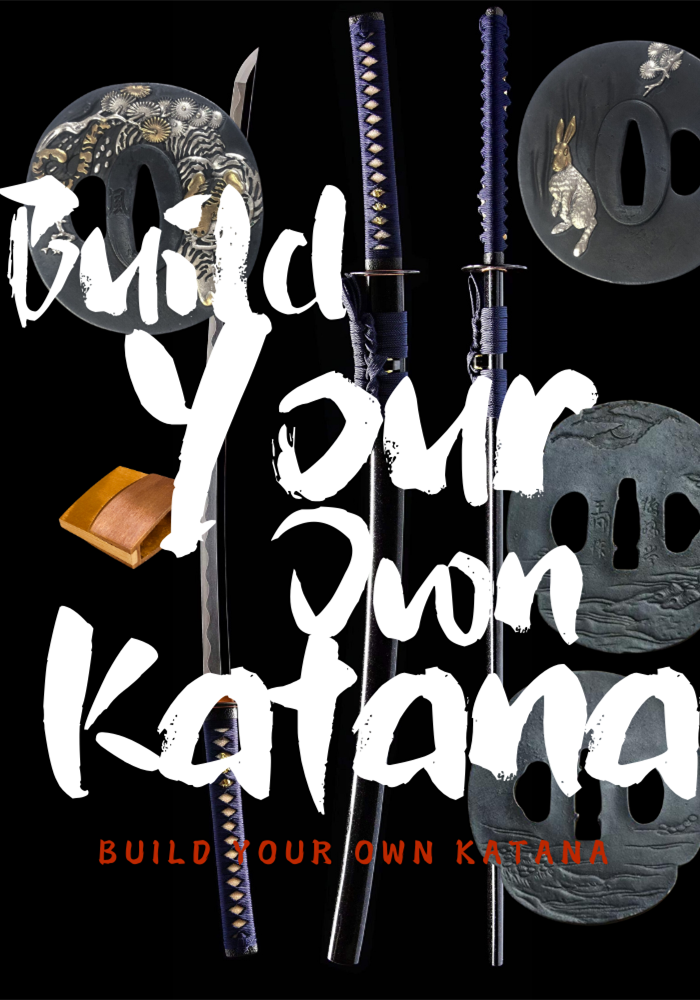
Custom Japanese Sword


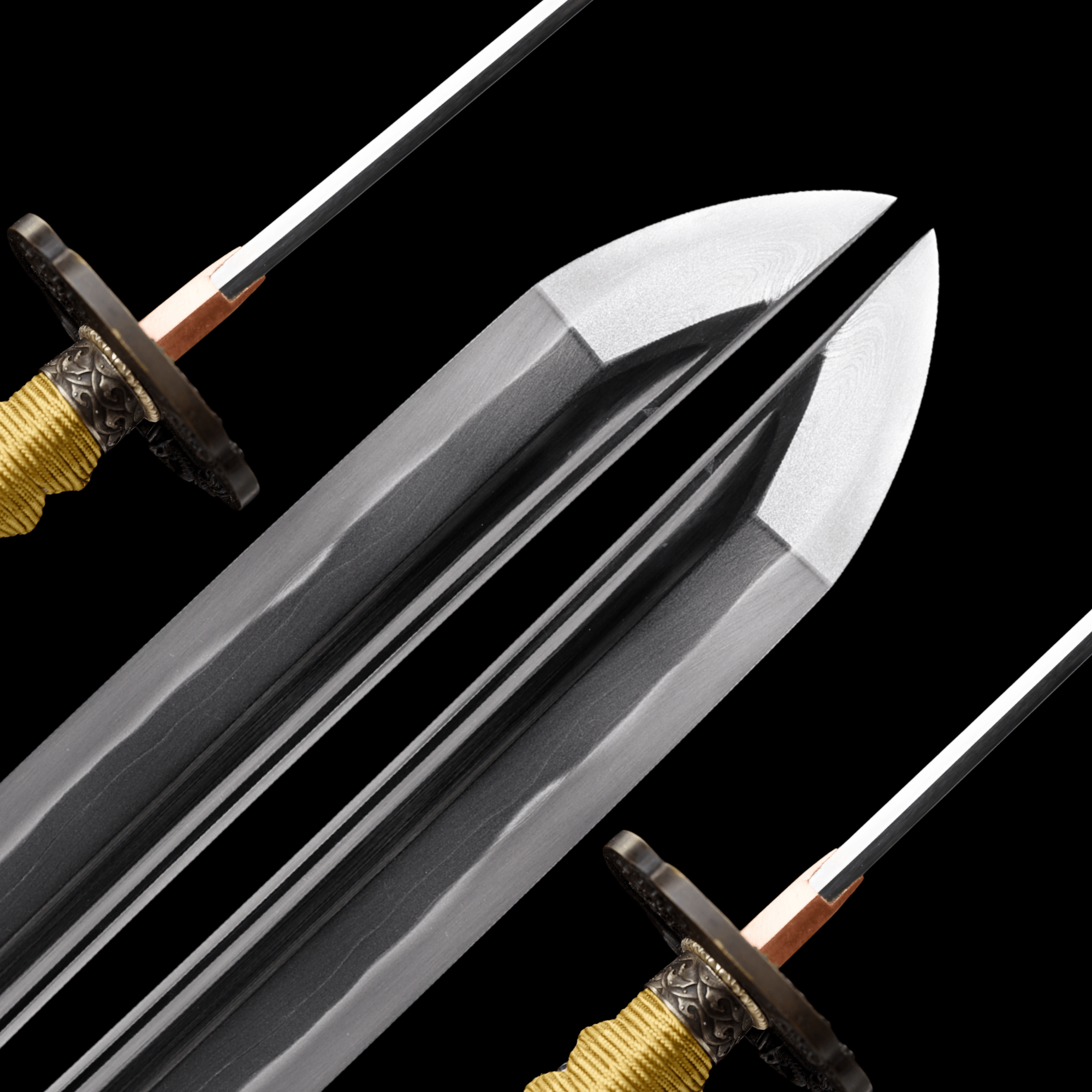

Real Katana
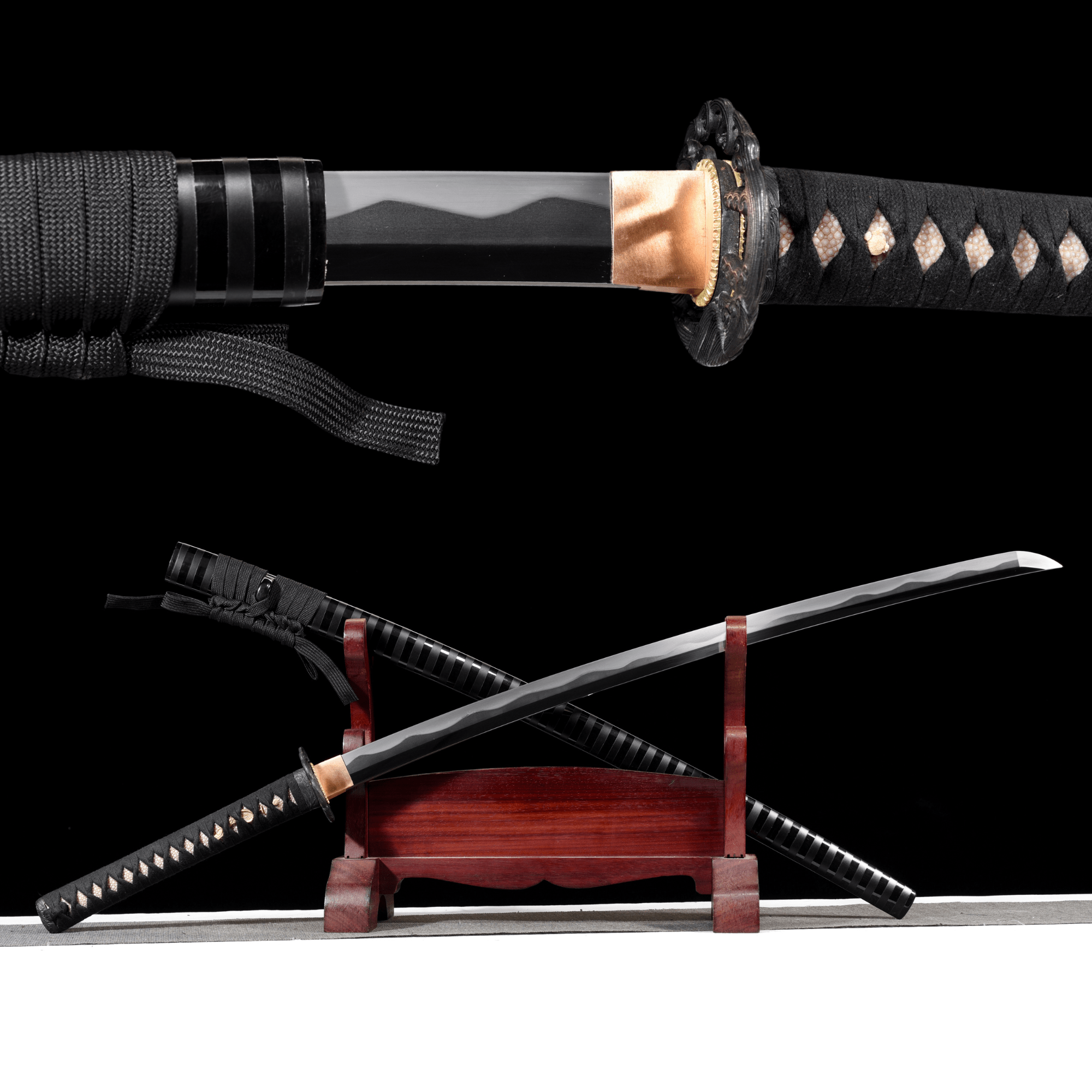
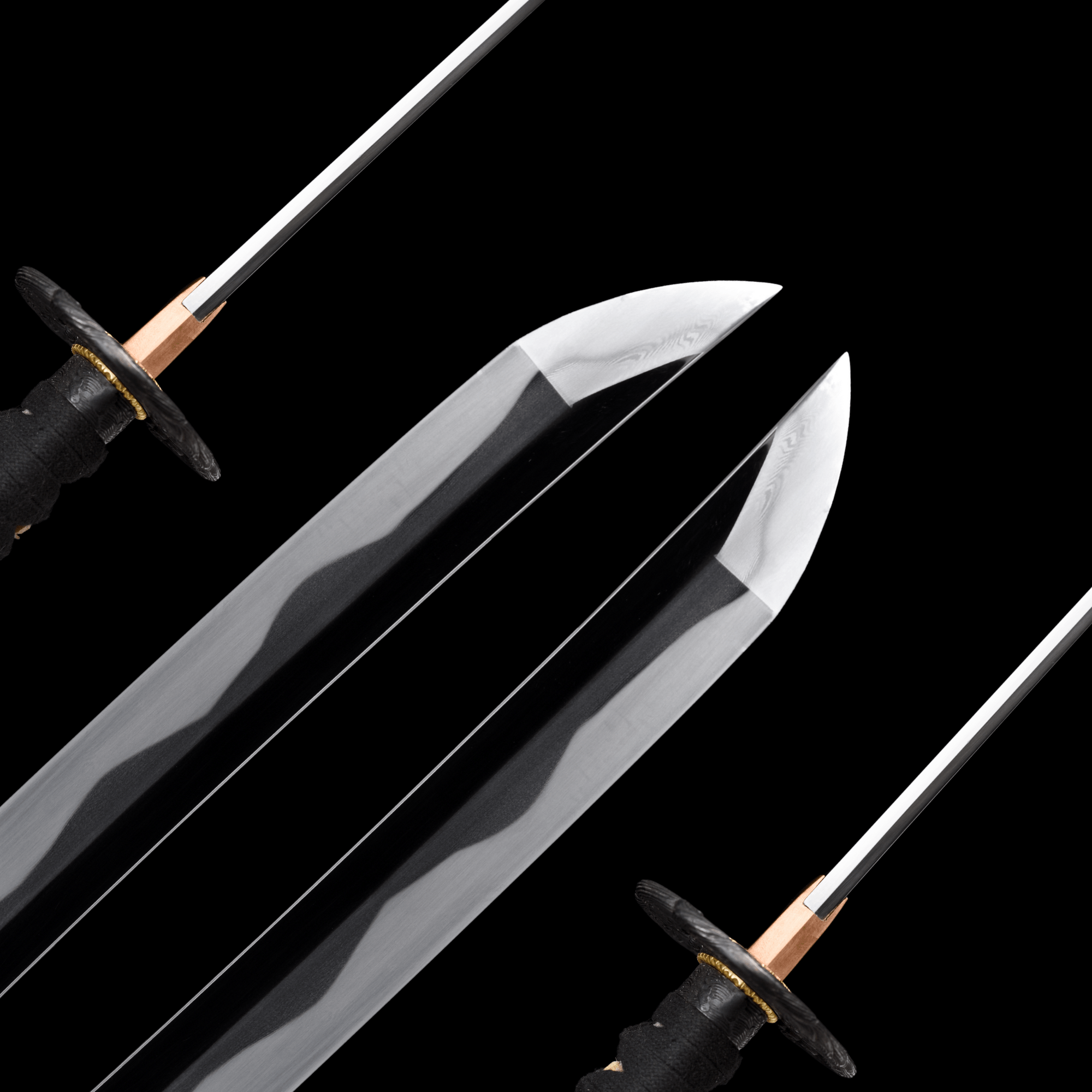
Forging a Katana
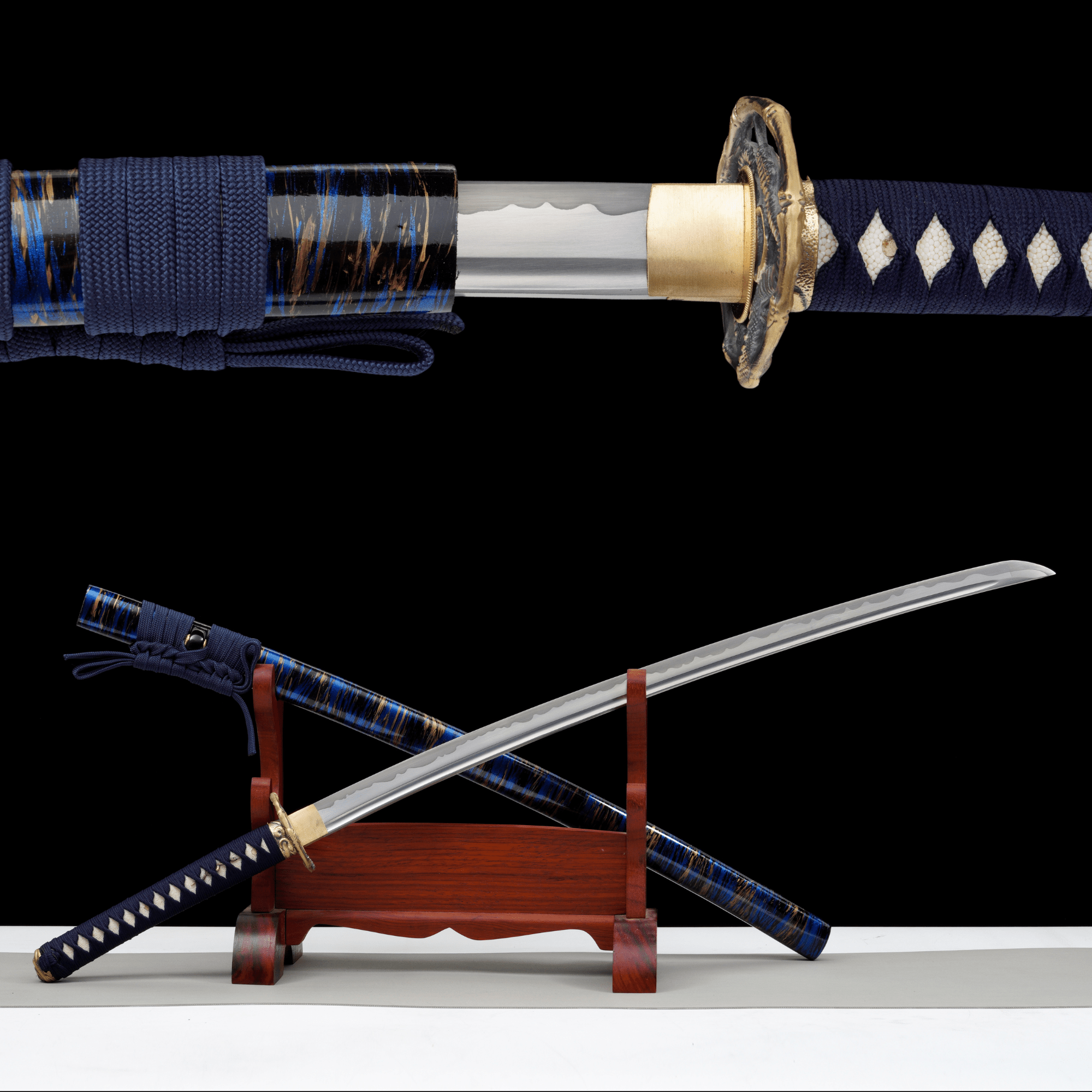
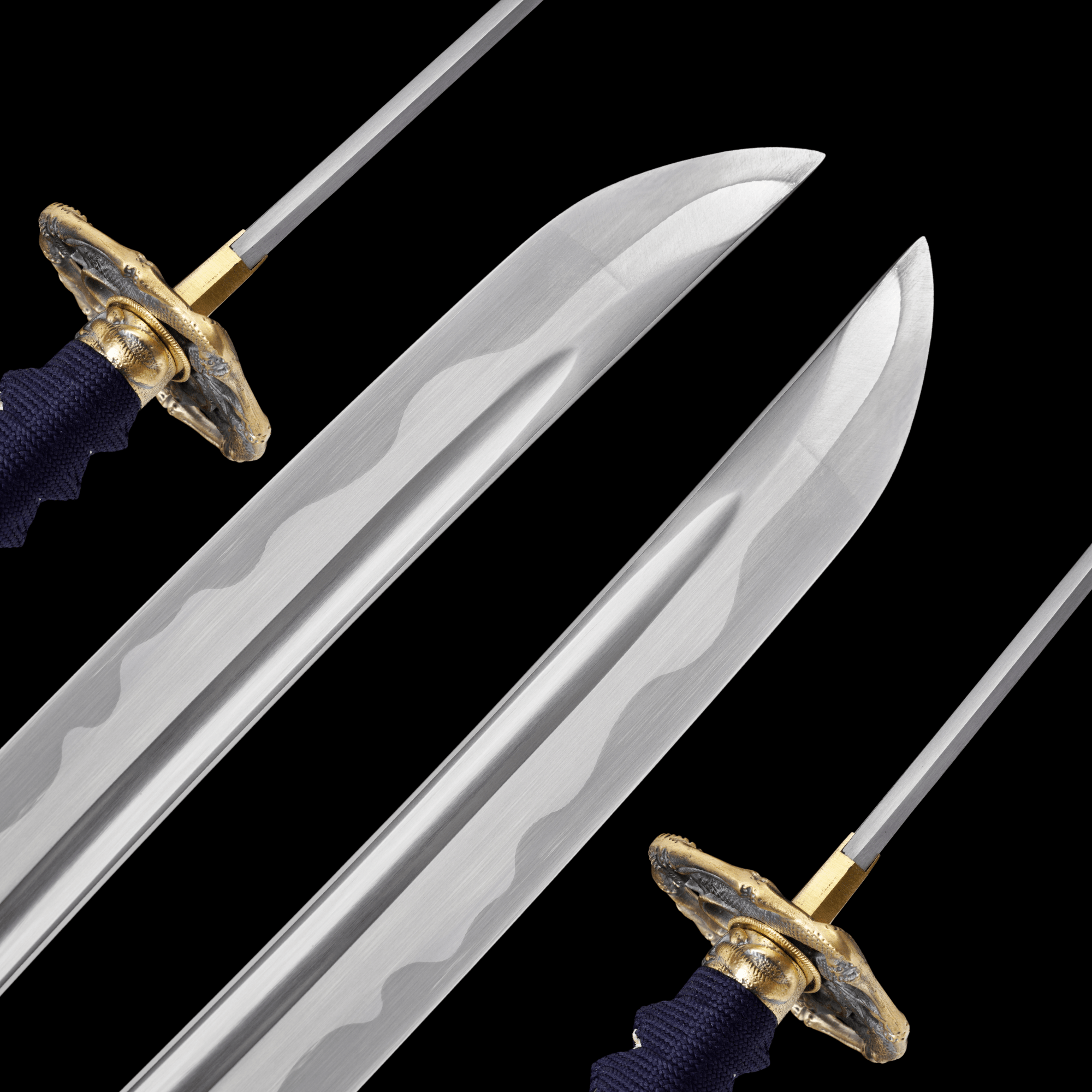
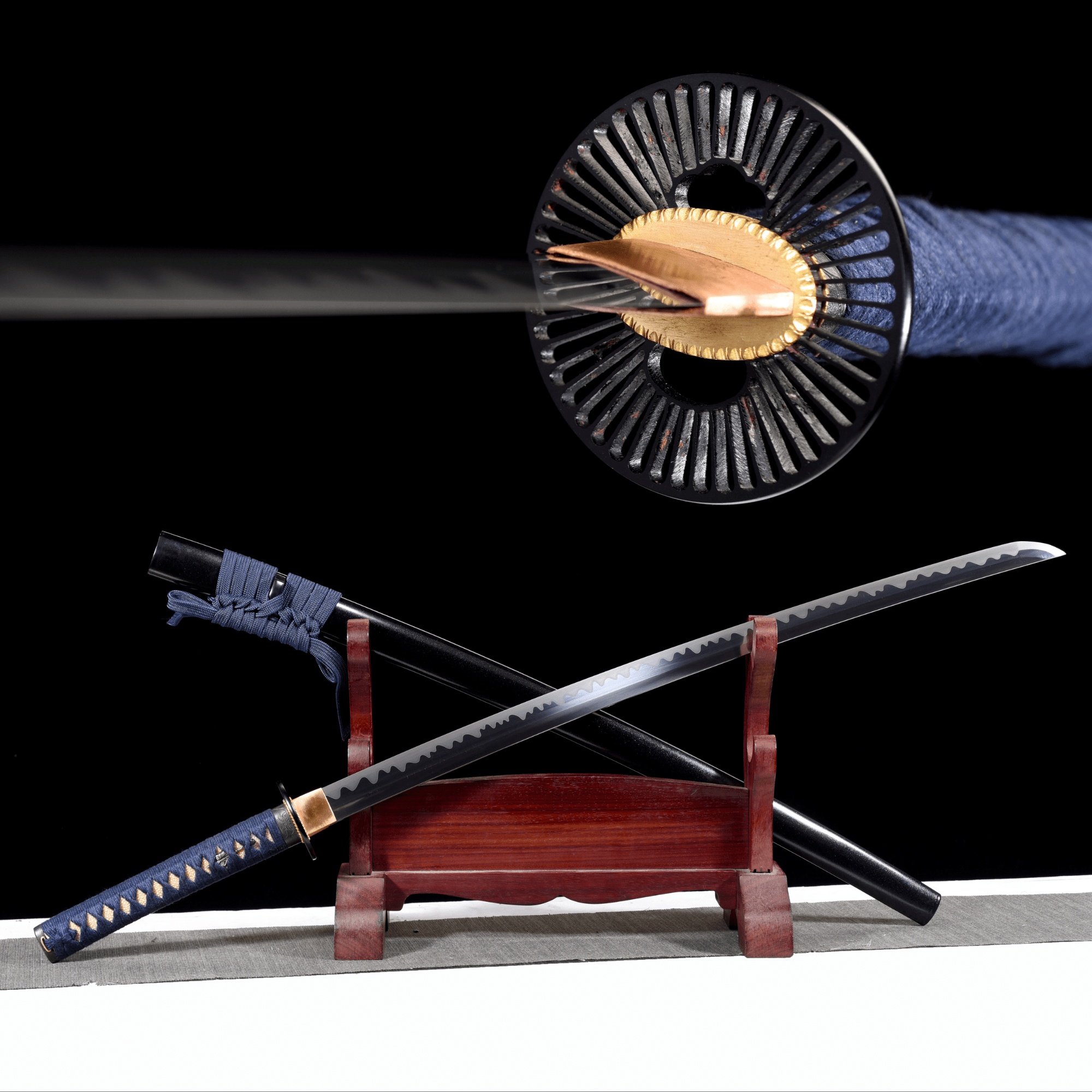
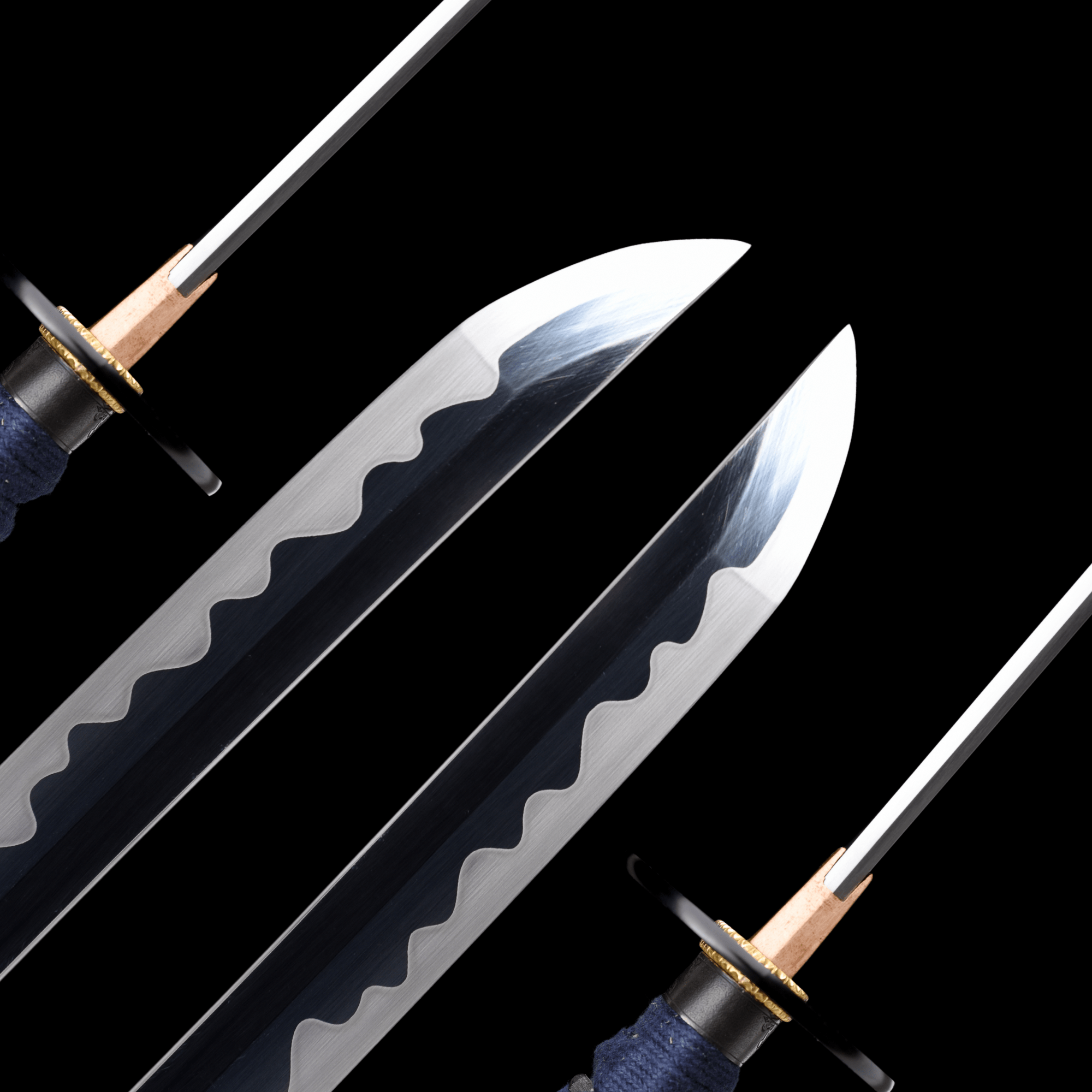
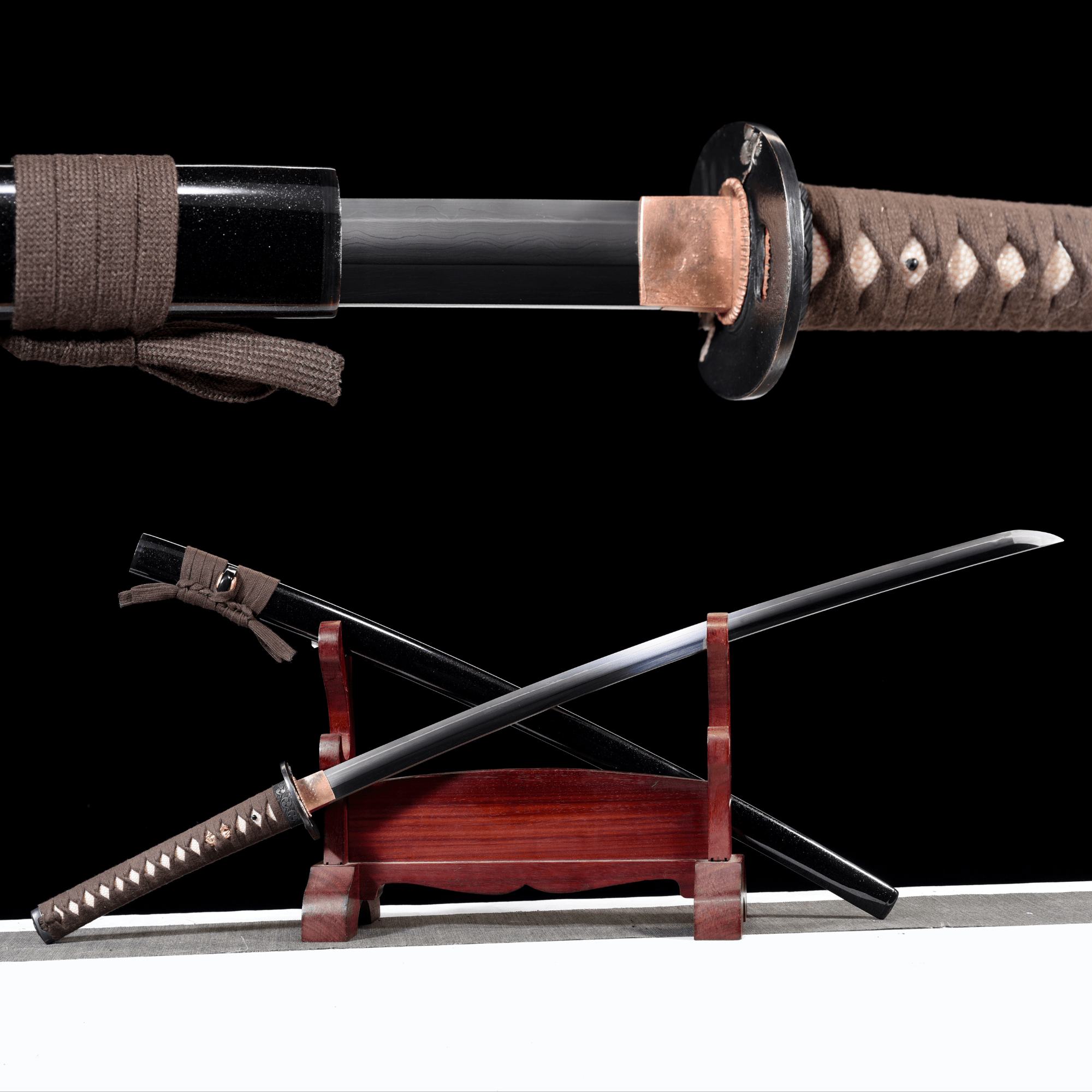
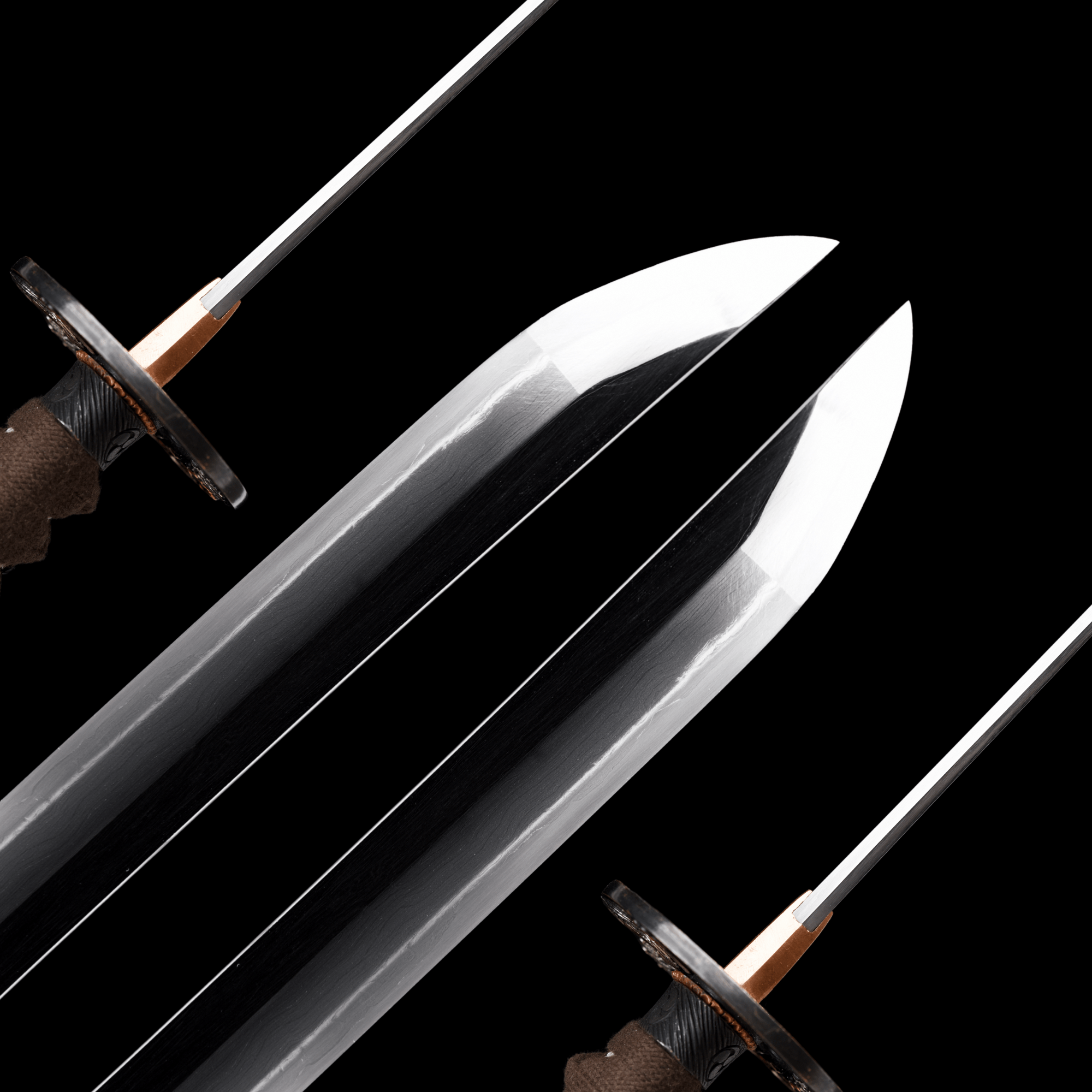
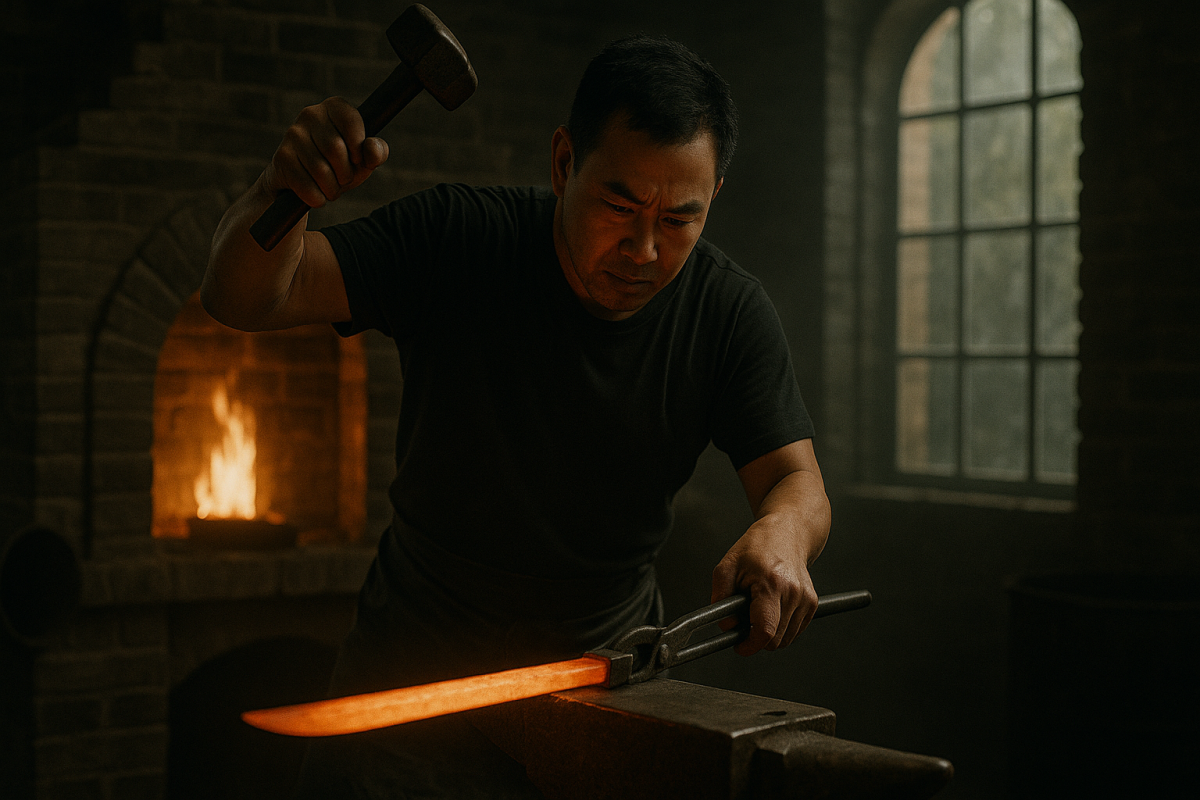
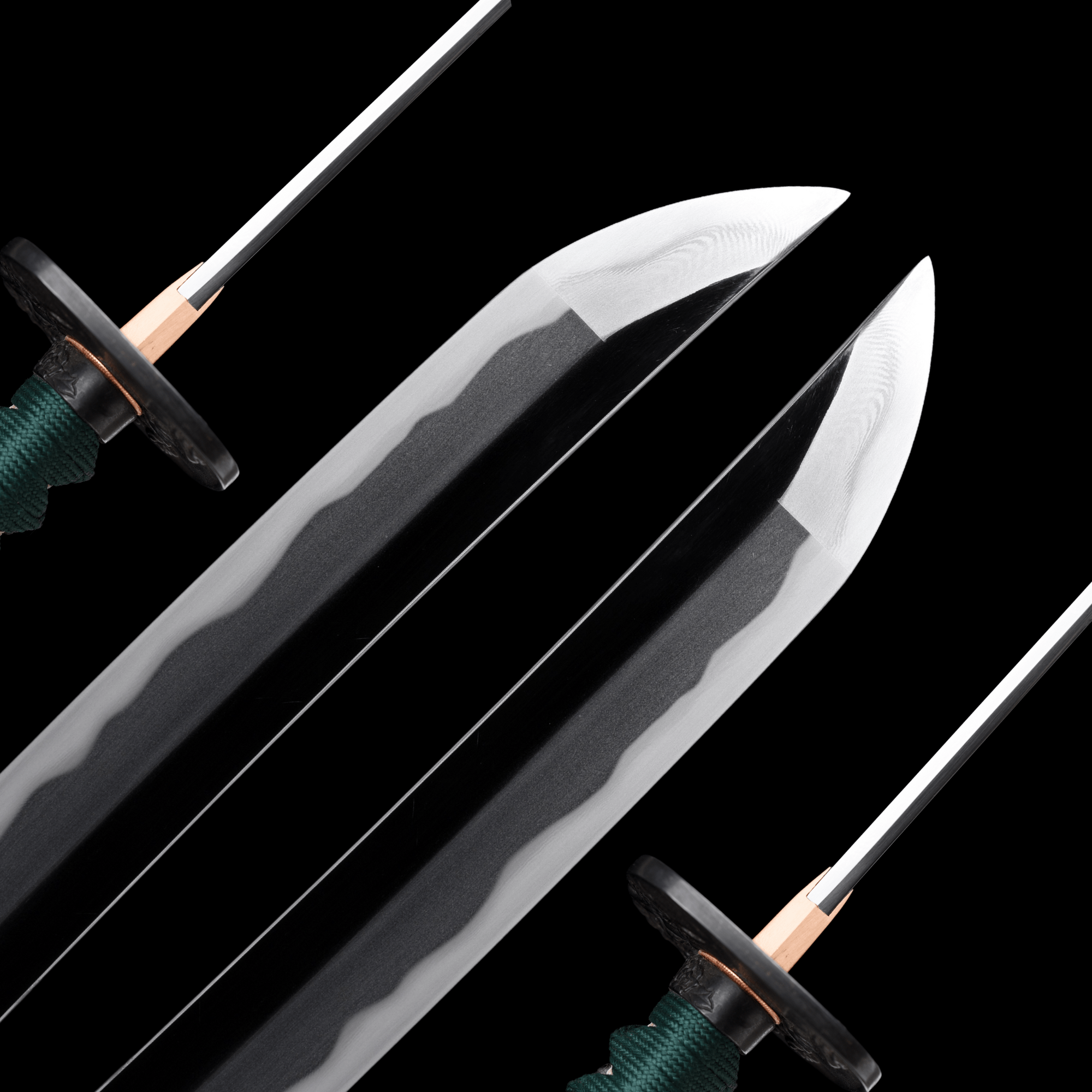
Forging a katana is an exceptionally challenging process that involves repeated folding, forge-welding, and precise hammering to refine the steel. Our swordsmiths are highly skilled in controlling temperature and timing at every stage, ensuring structural integrity and optimal performance of the blade.
Performance Katana
KSA Iaito



Entry-Level Katana
Mid-Range Katana

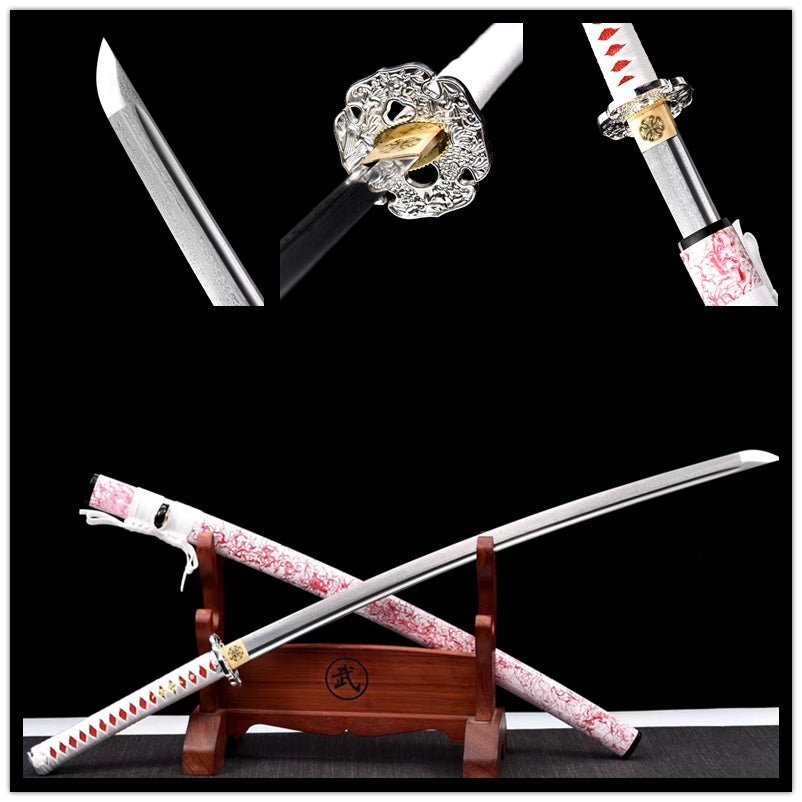
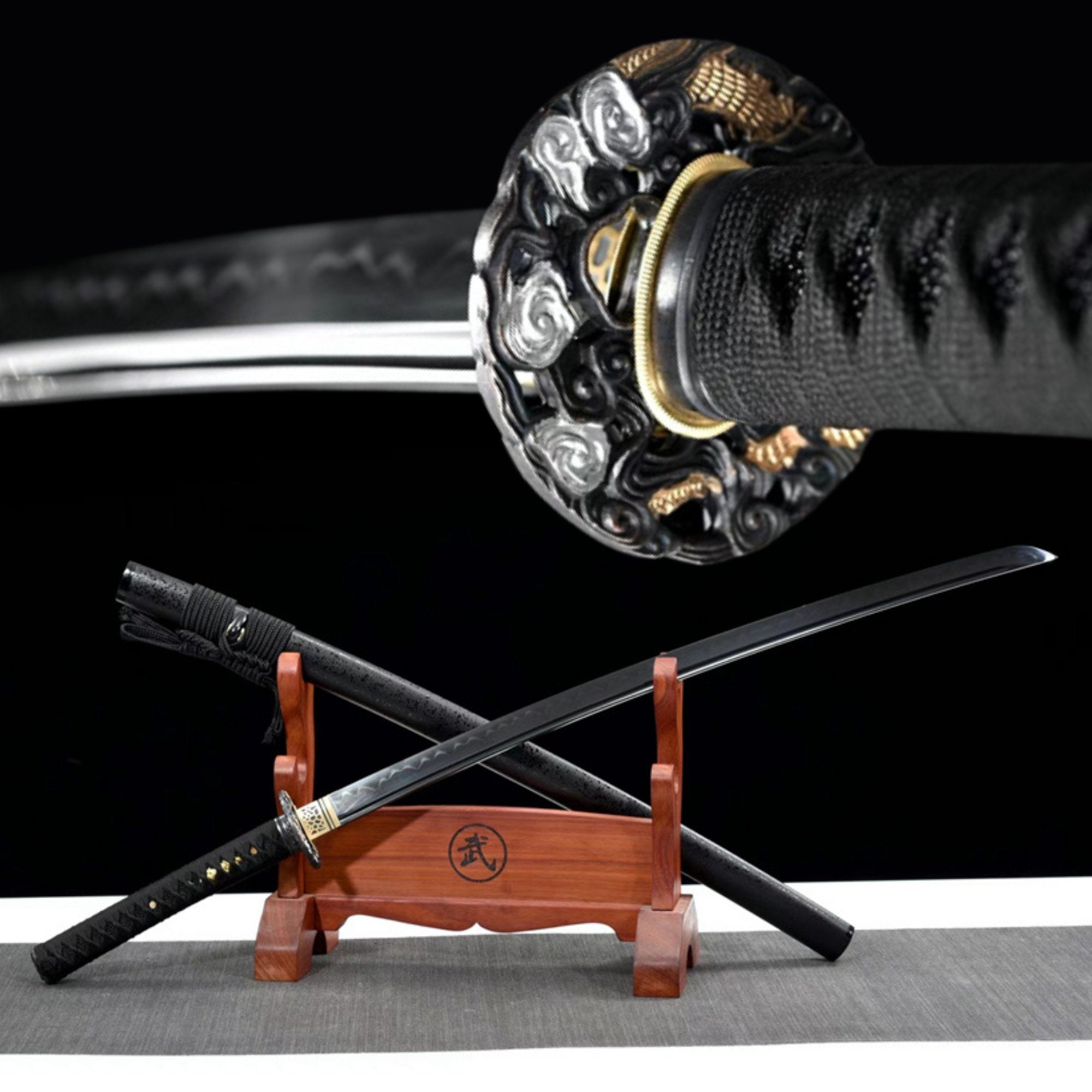
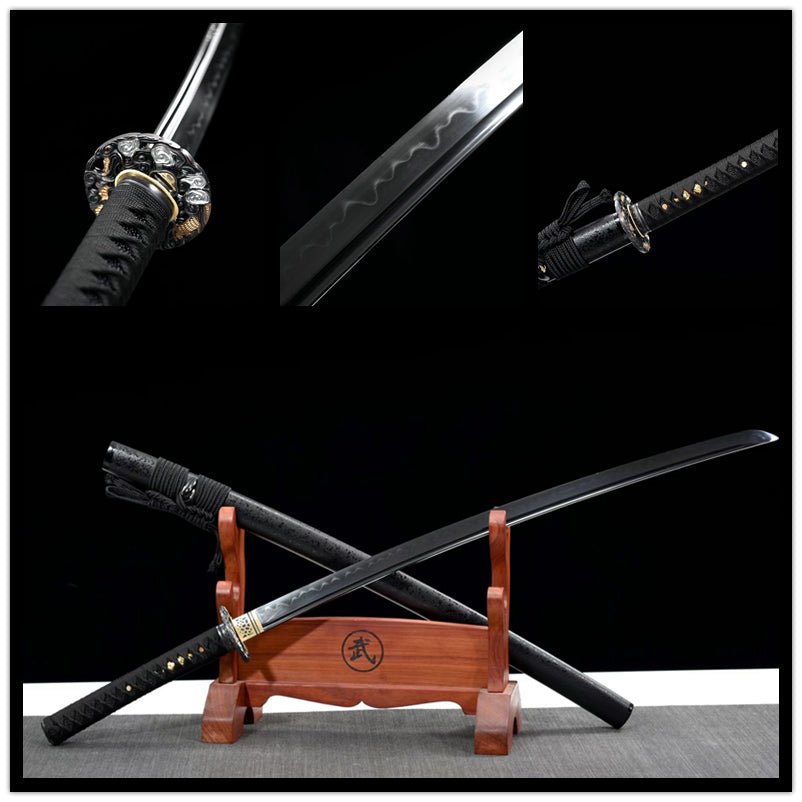
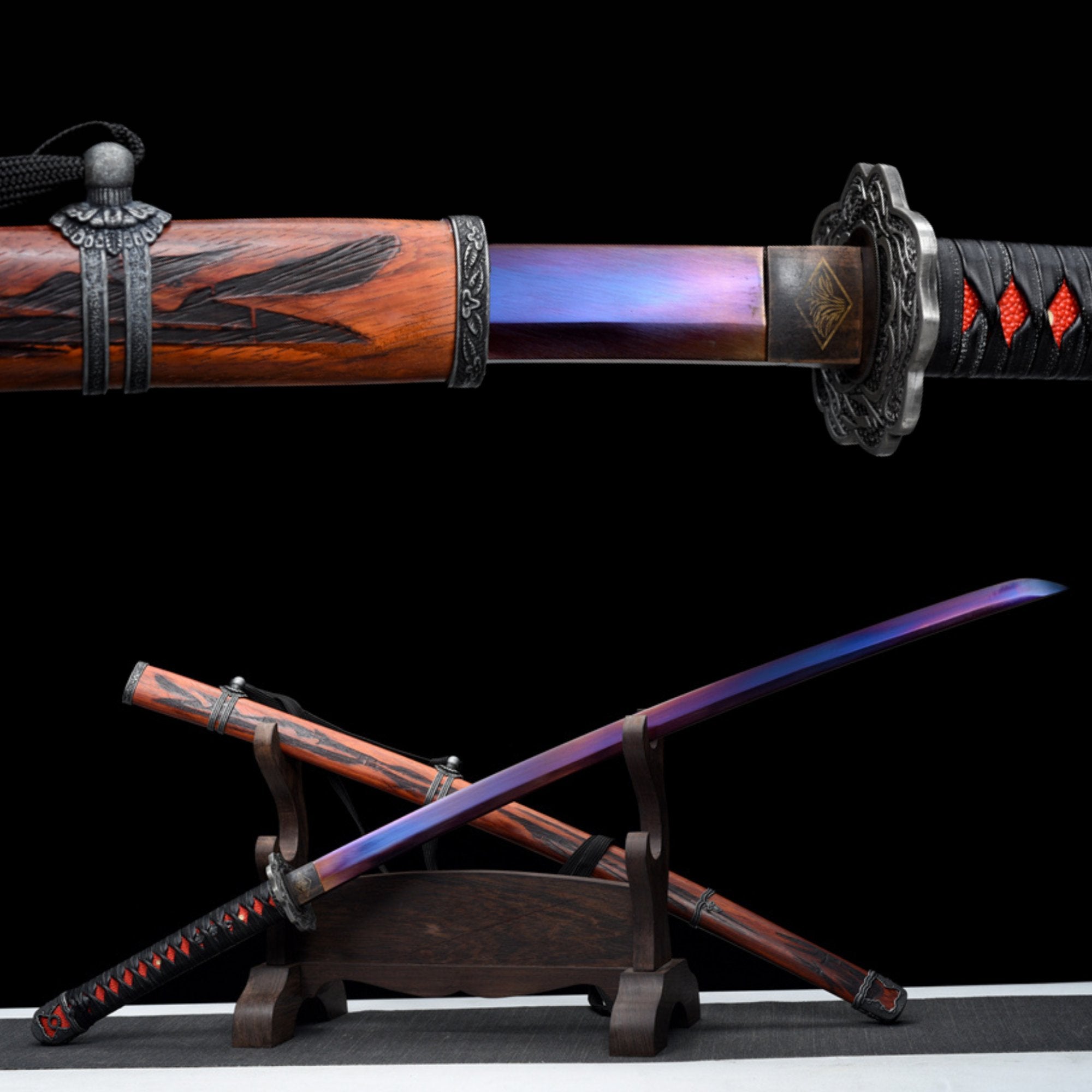
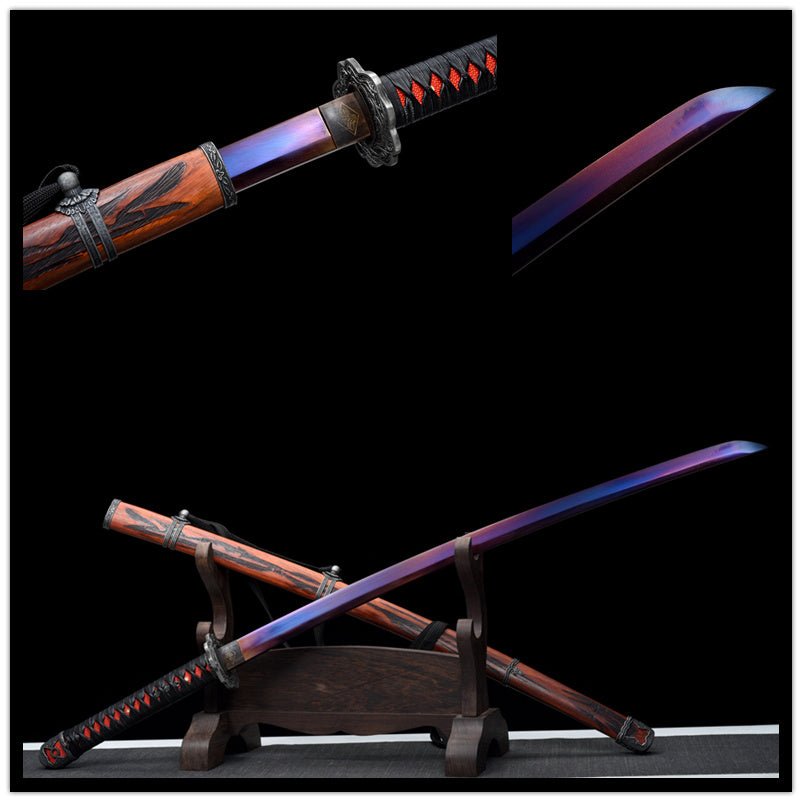
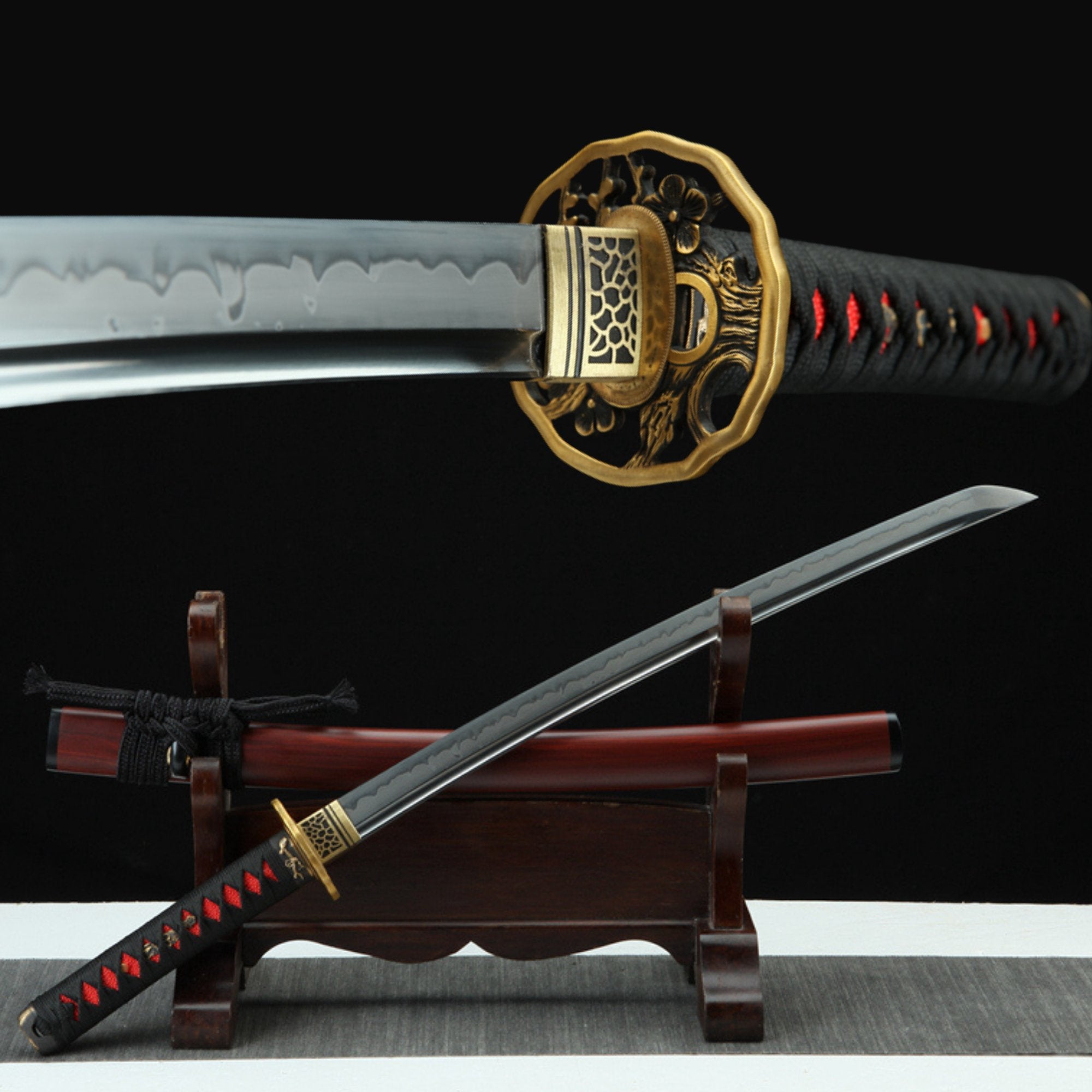
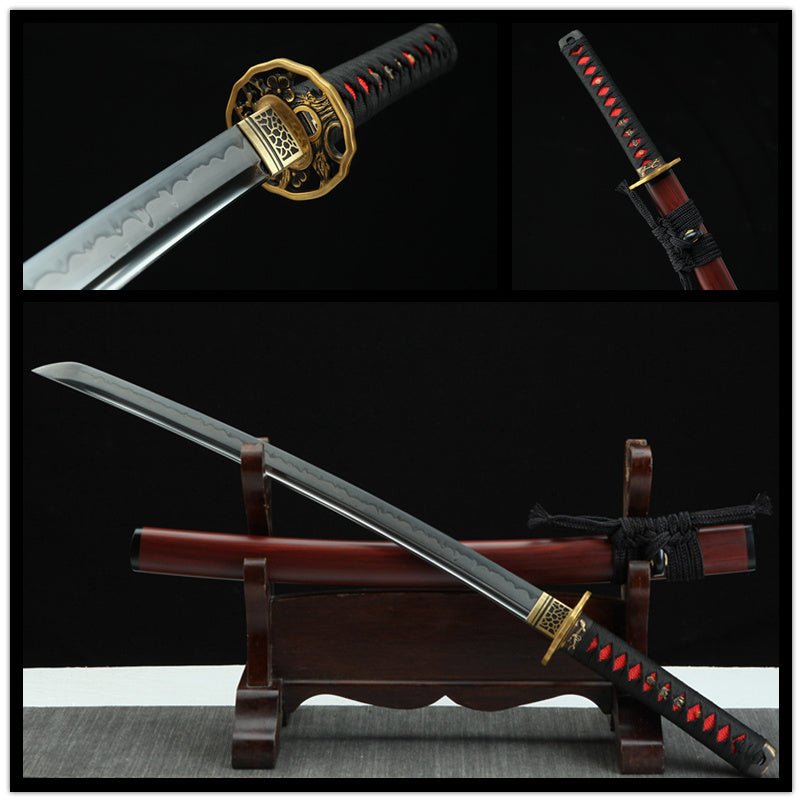
Premium Katana
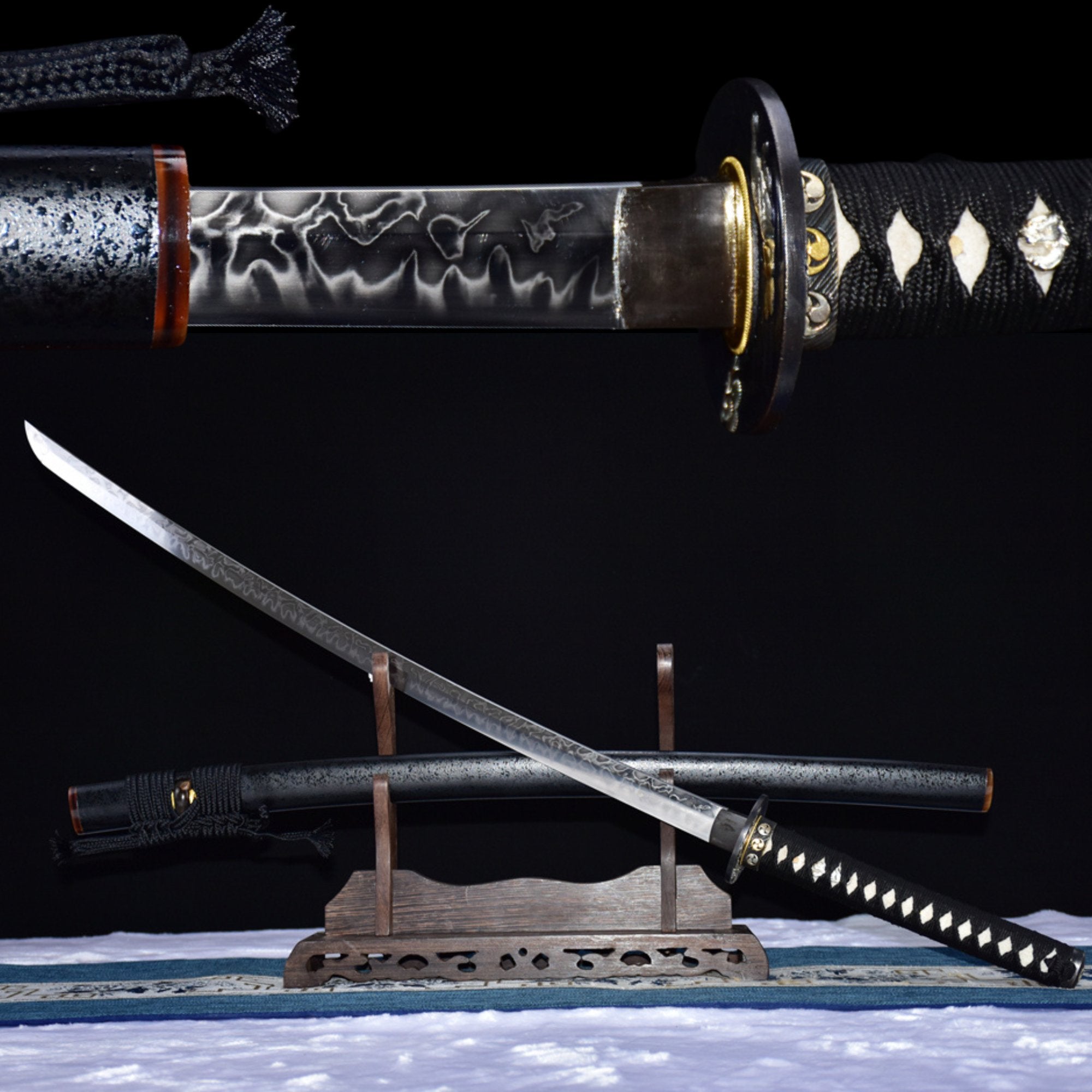
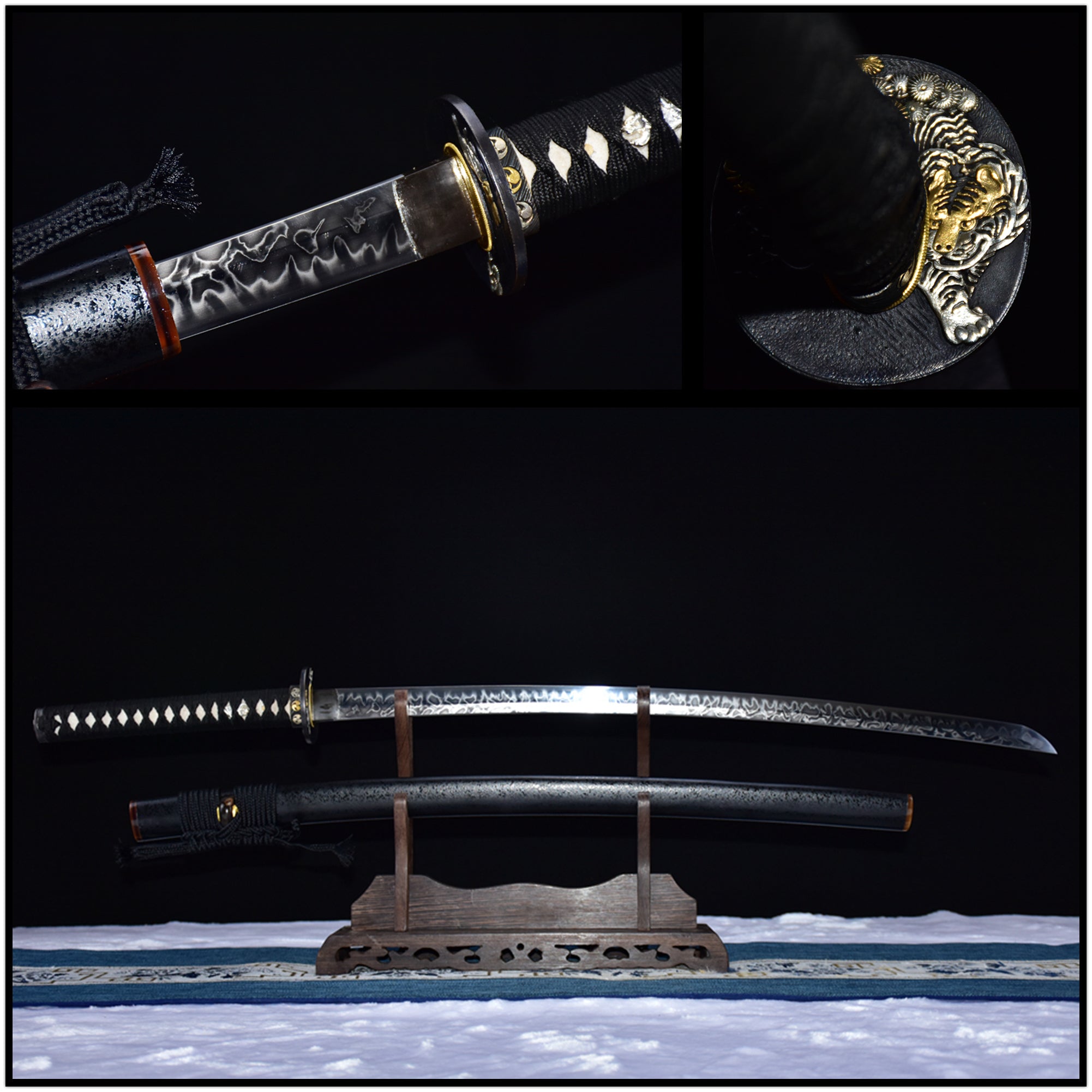
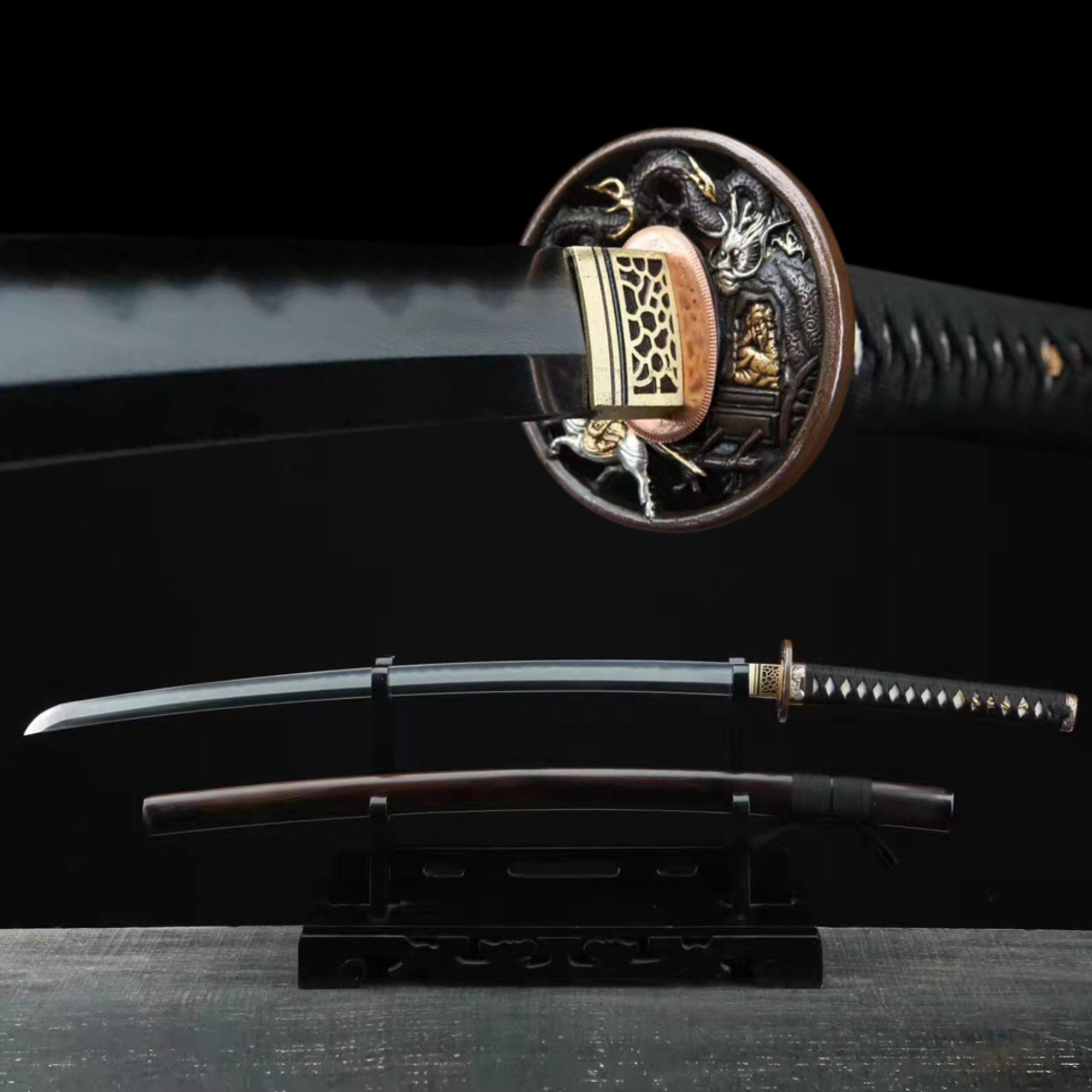
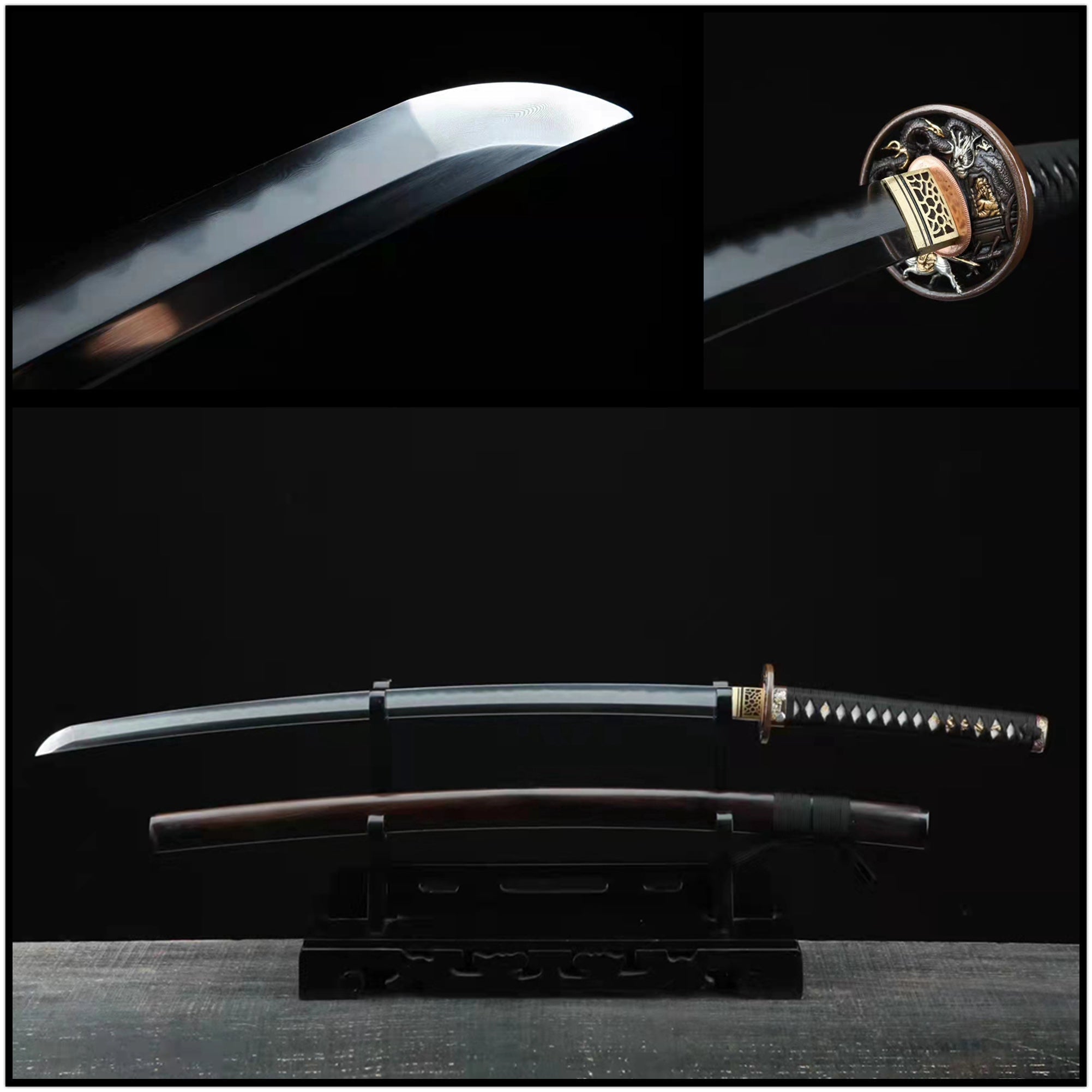
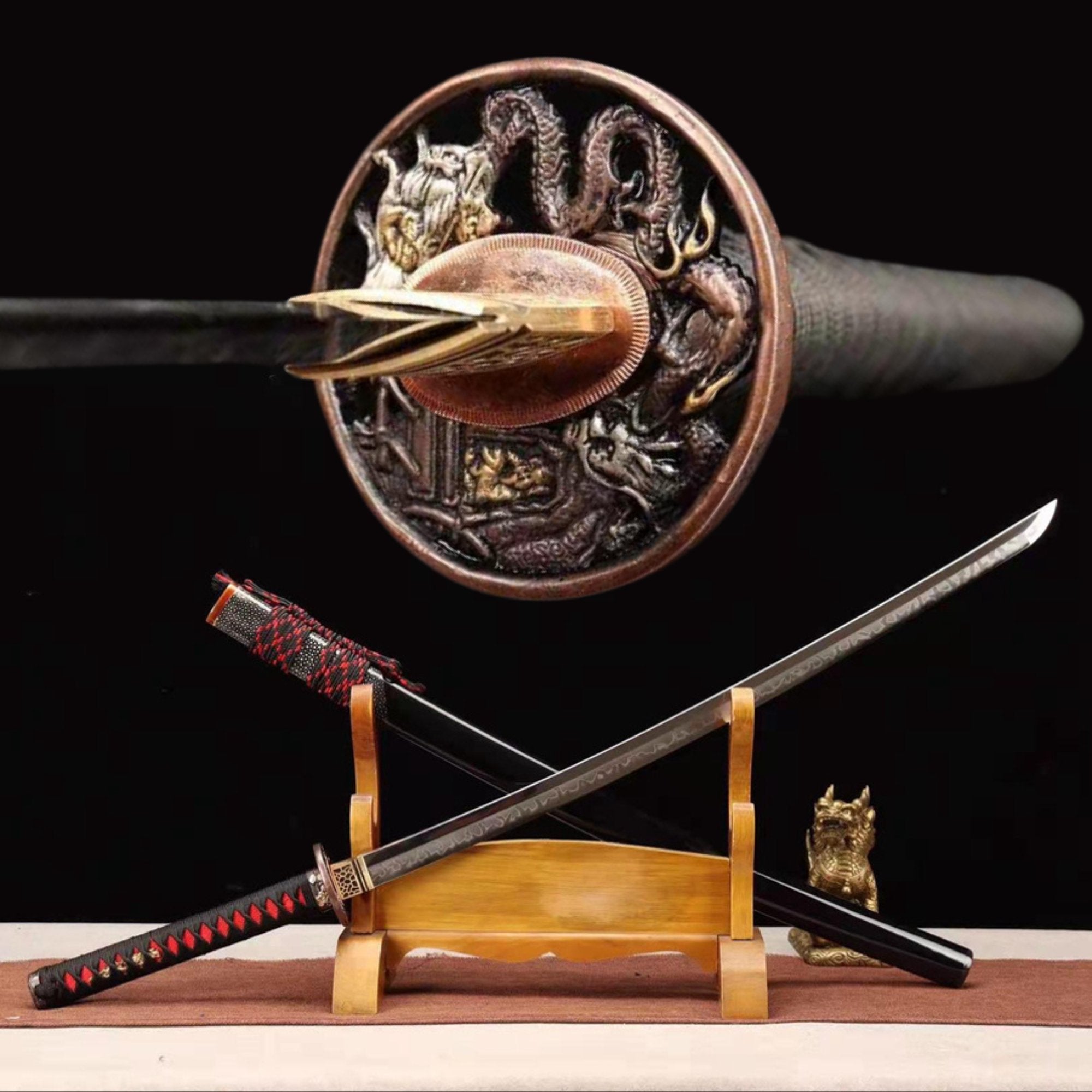
High-End Katana
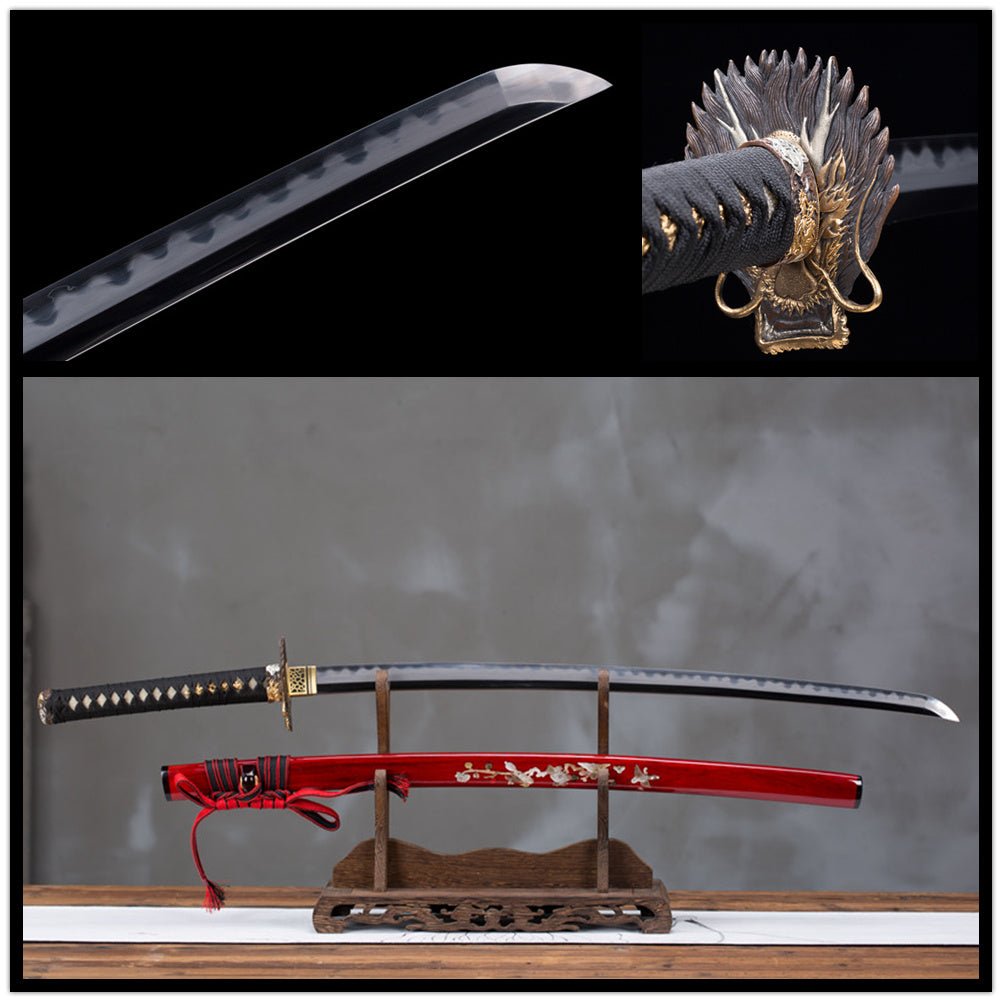
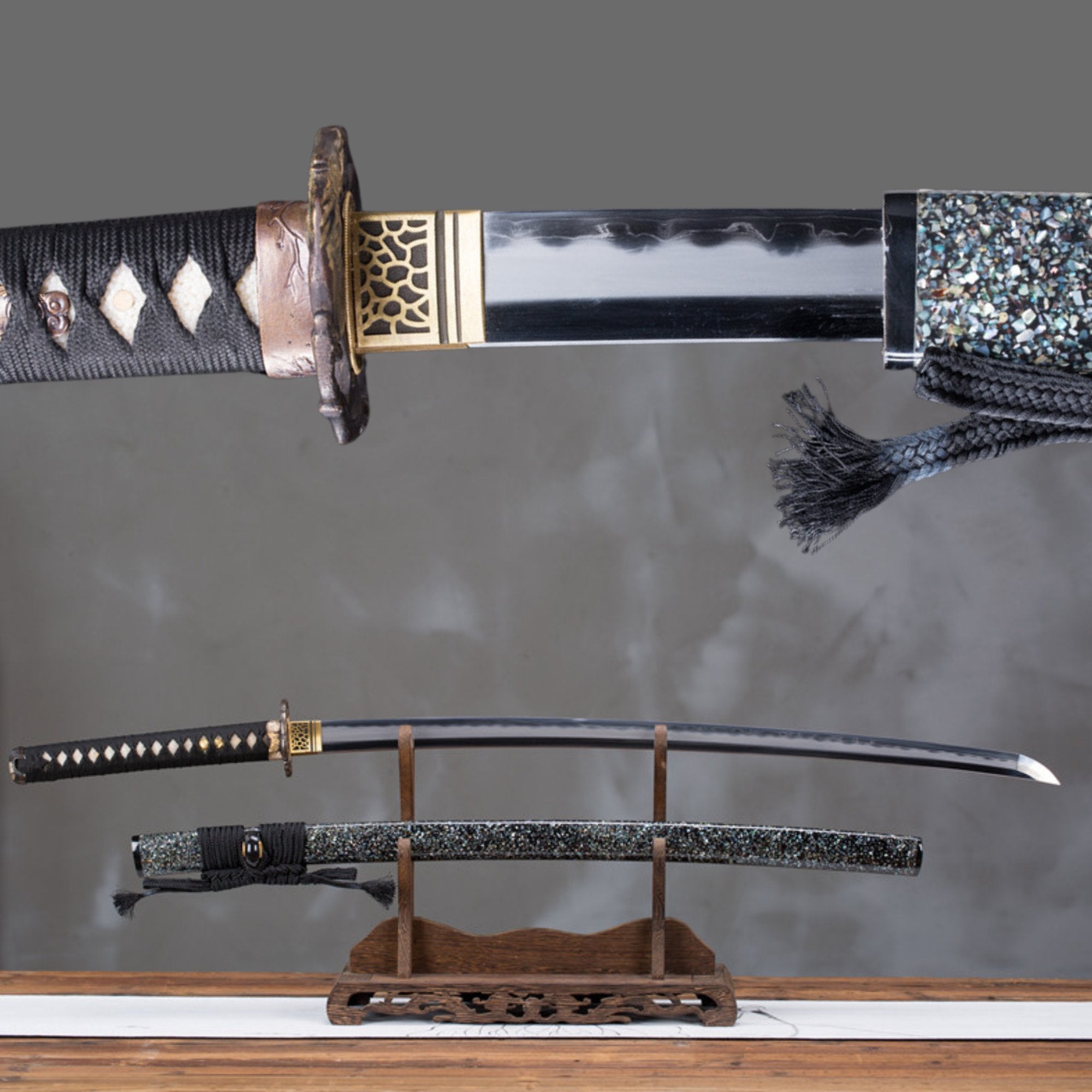
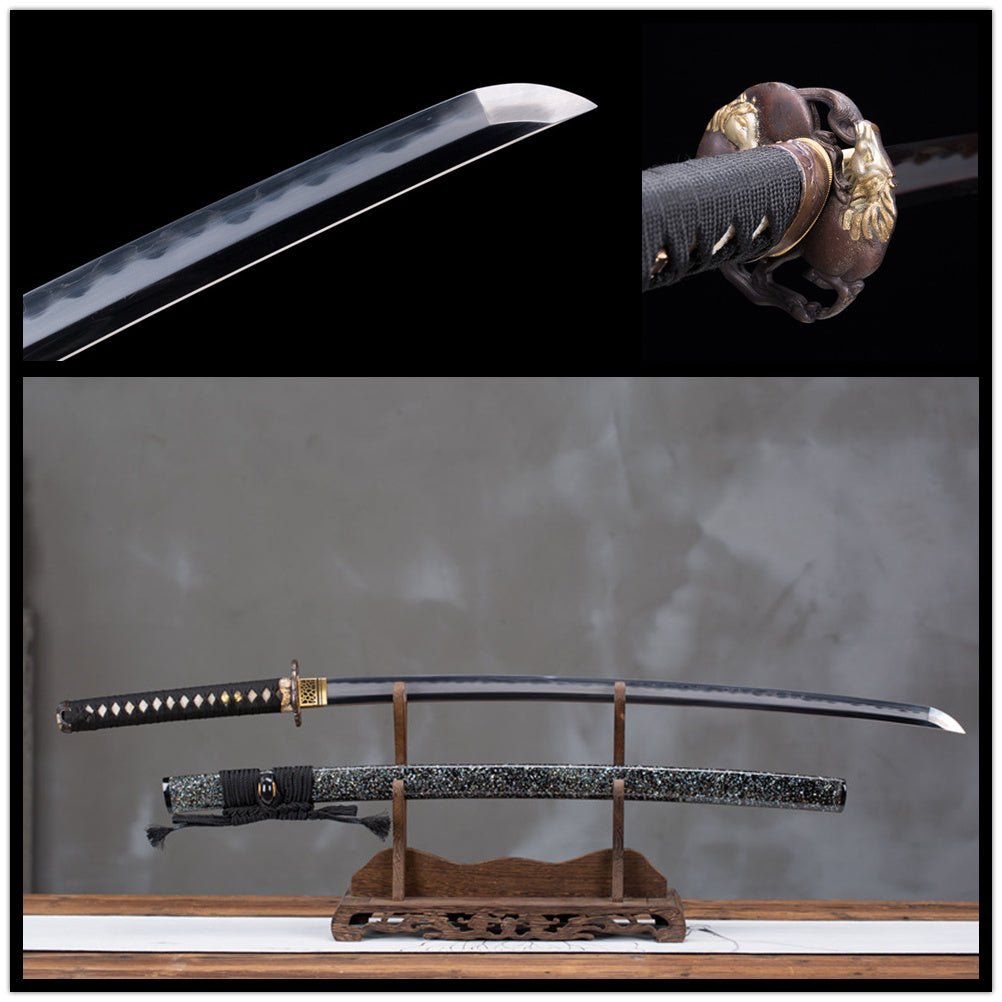
Clay Tempered Katana
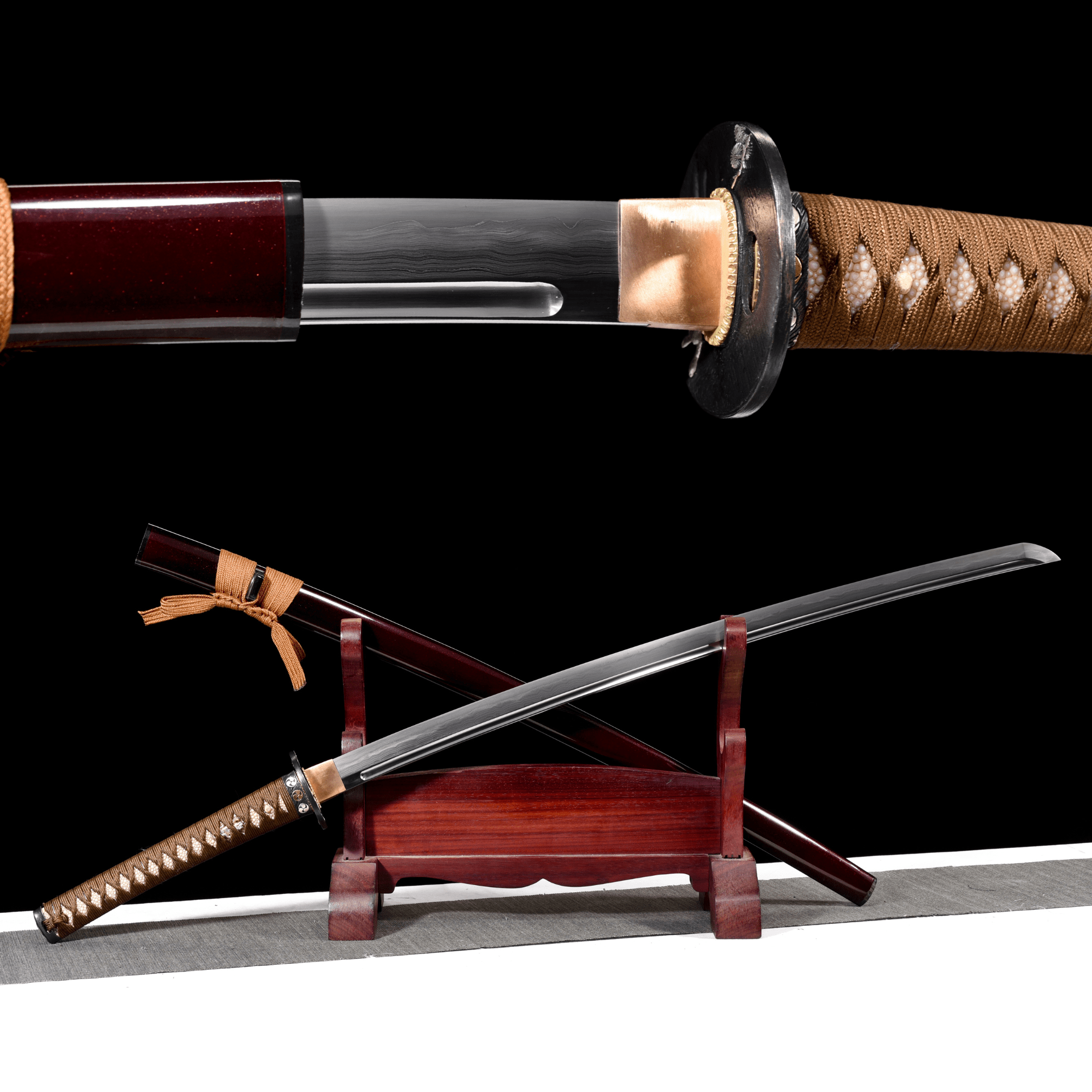
Folded Katana
刀は武士の魂
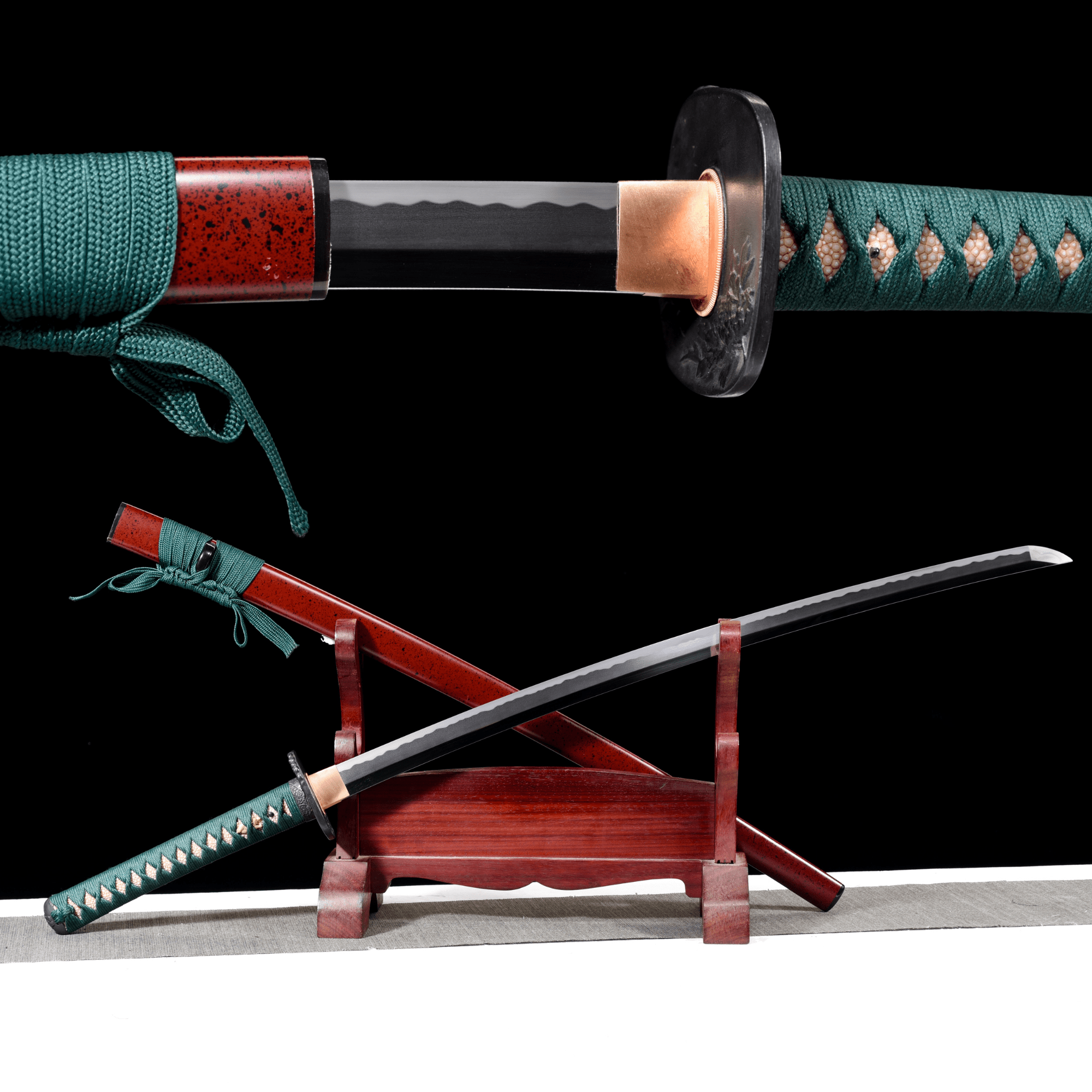
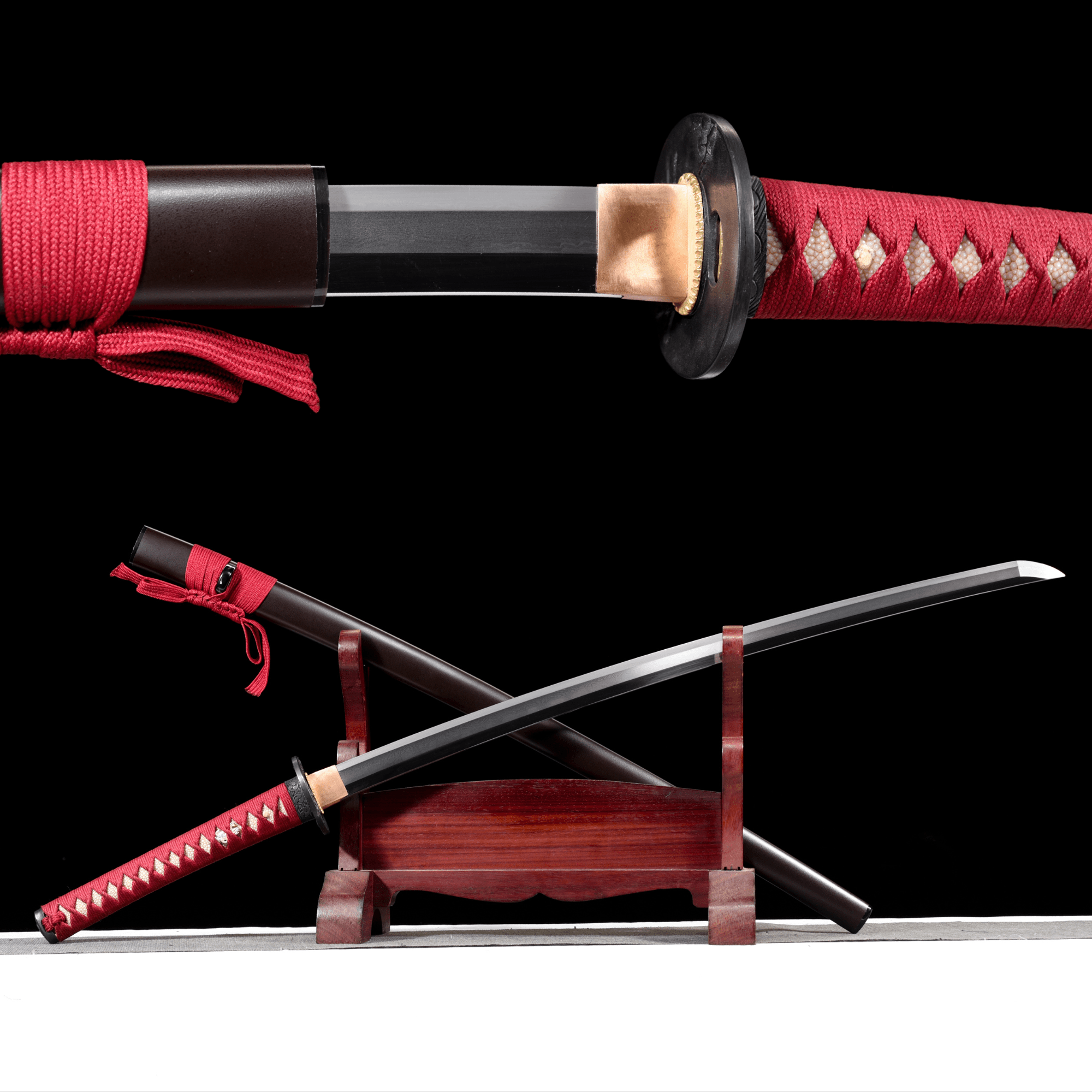
There is a traditional Japanese saying: "The katana is the soul of the samurai" (刀は武士の魂). To the samurai, the katana was not merely a possession—it was the embodiment of honor, spirit, and personal identity. It served as a lifelong companion in discipline and reflection, carrying the weight of one’s values, beliefs, and unwavering dignity.
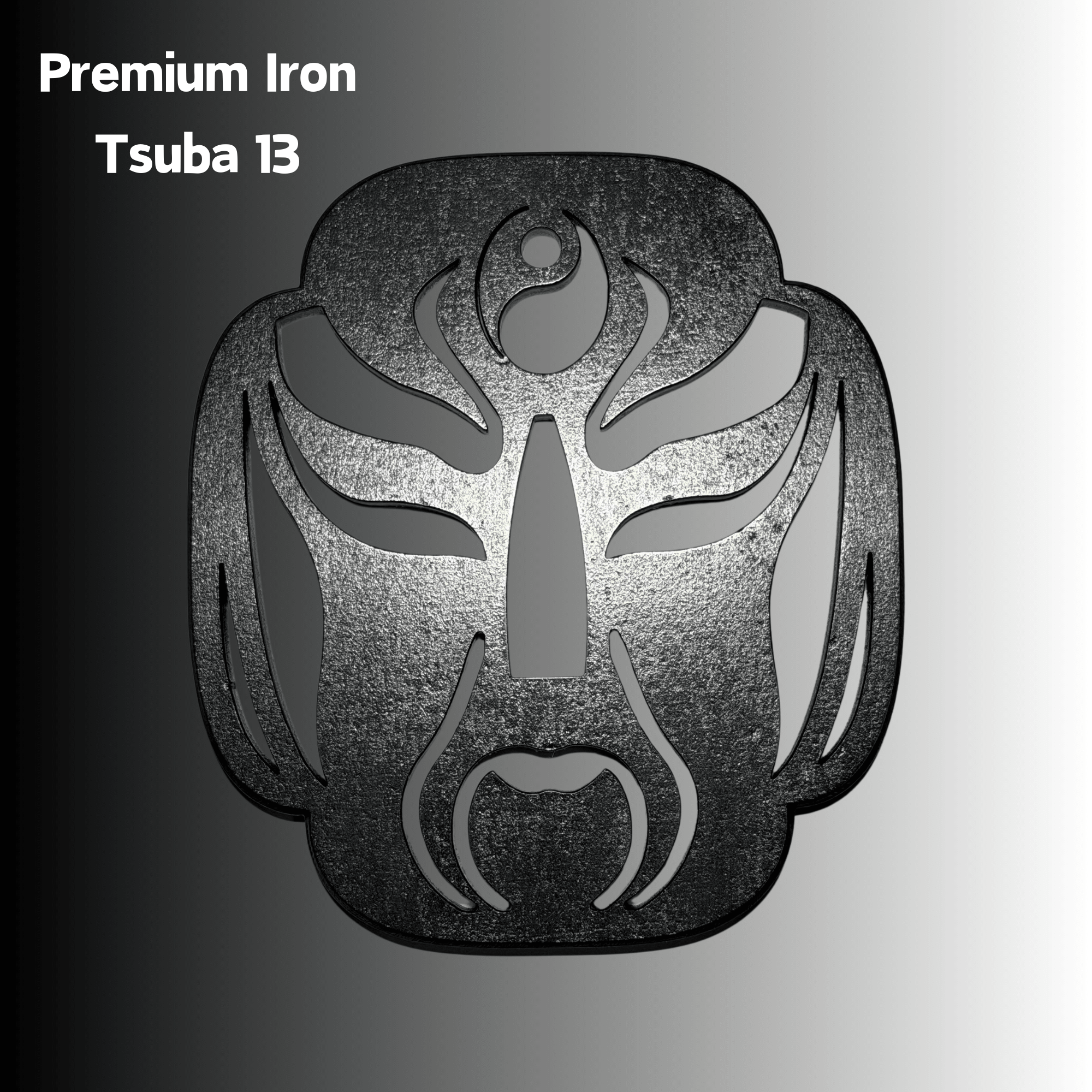
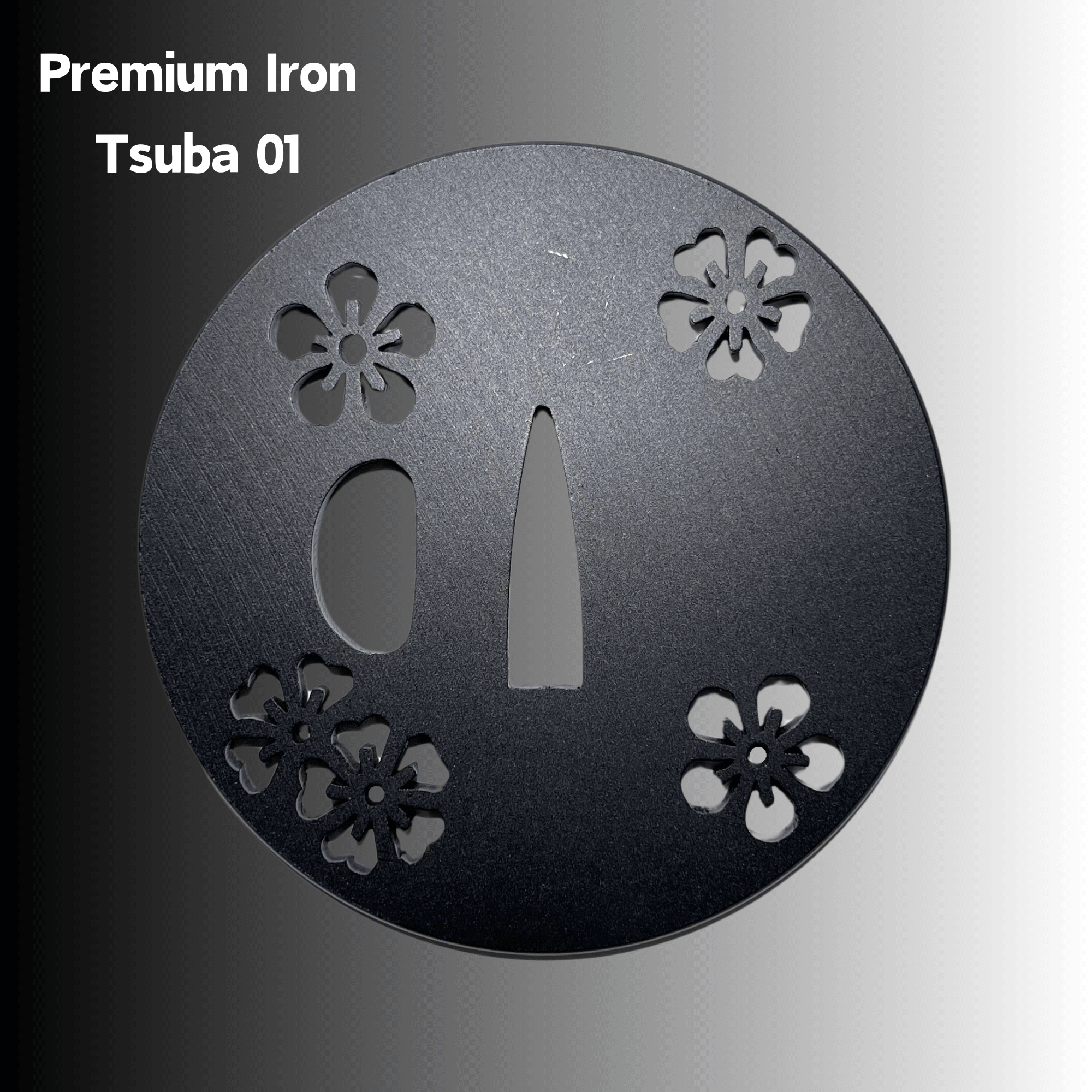
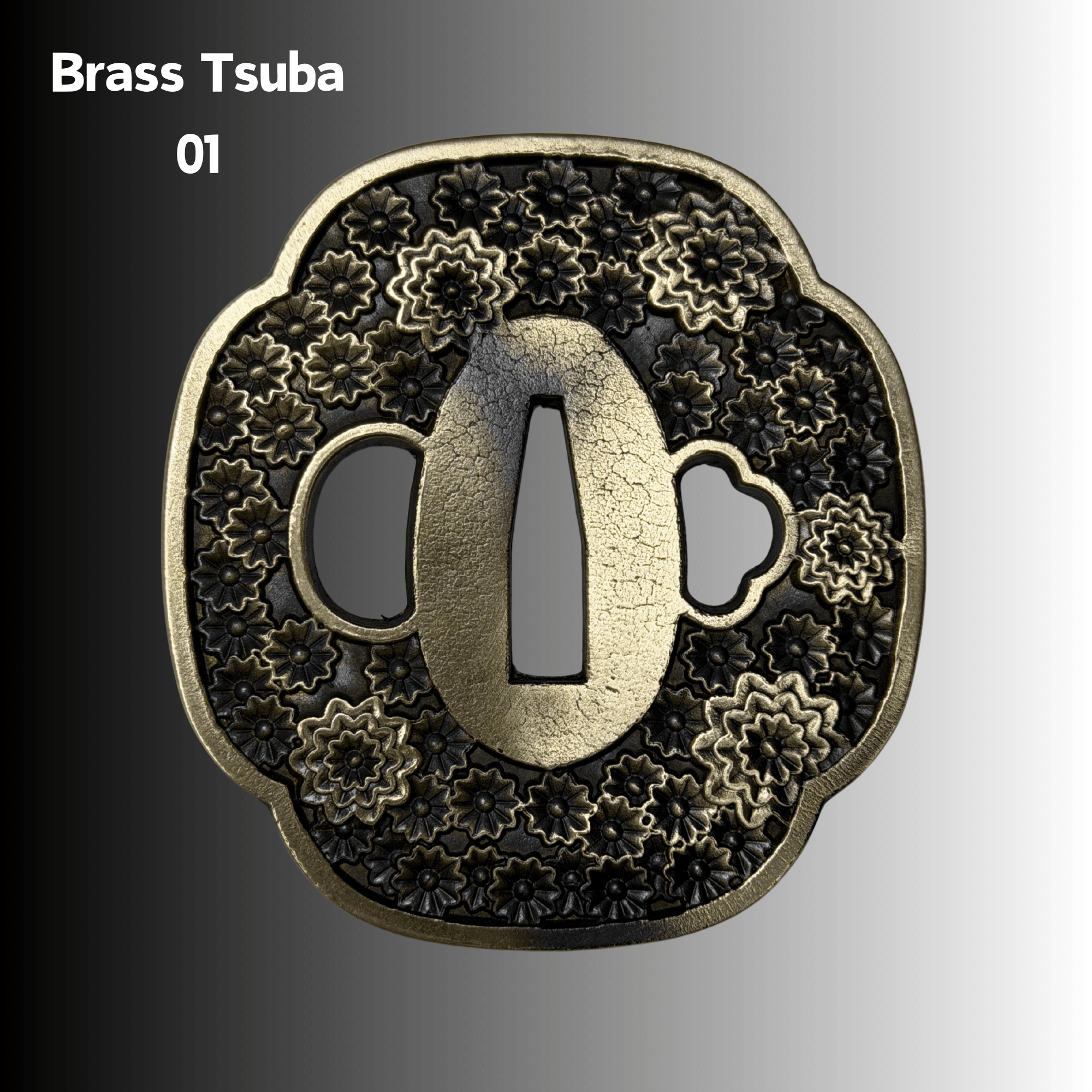
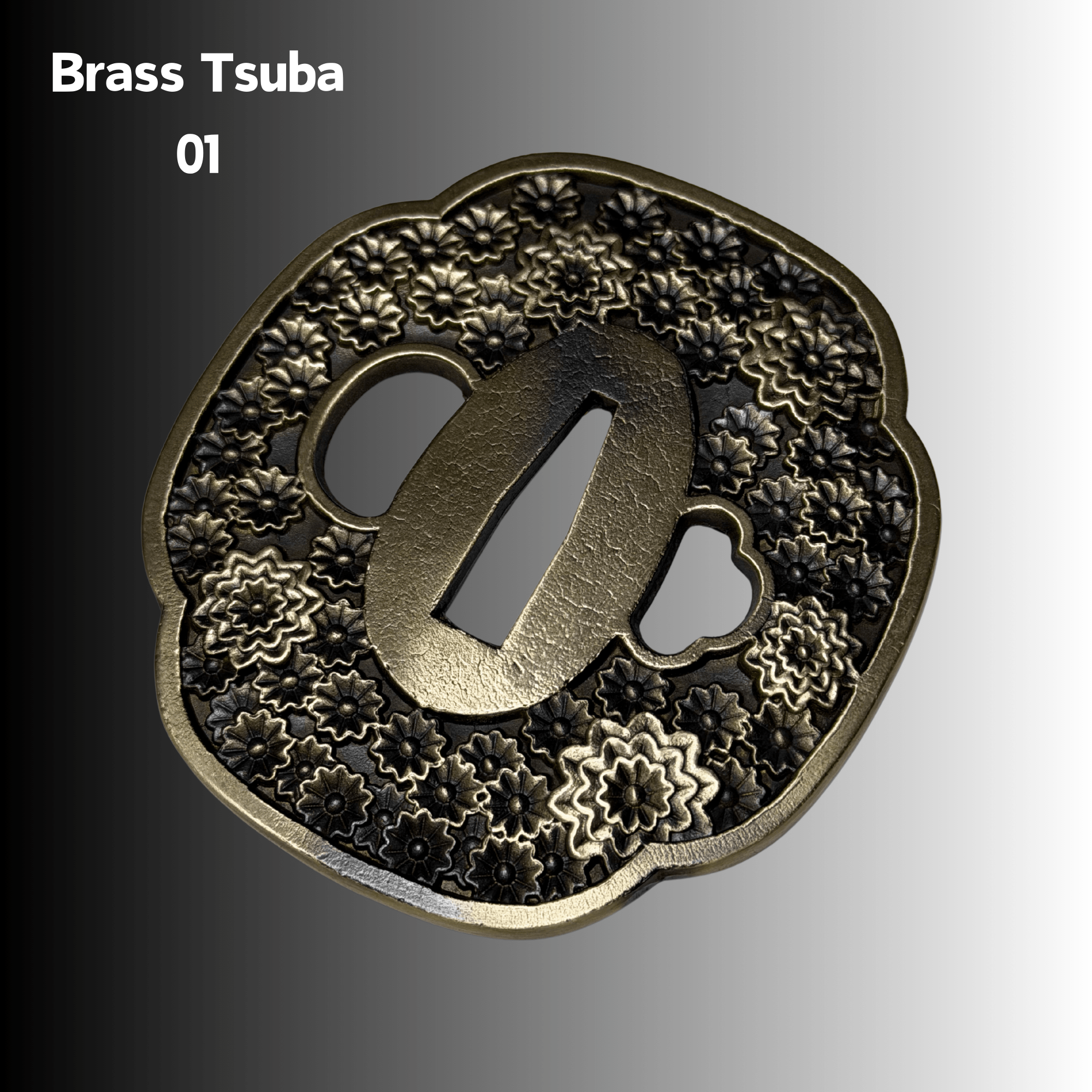
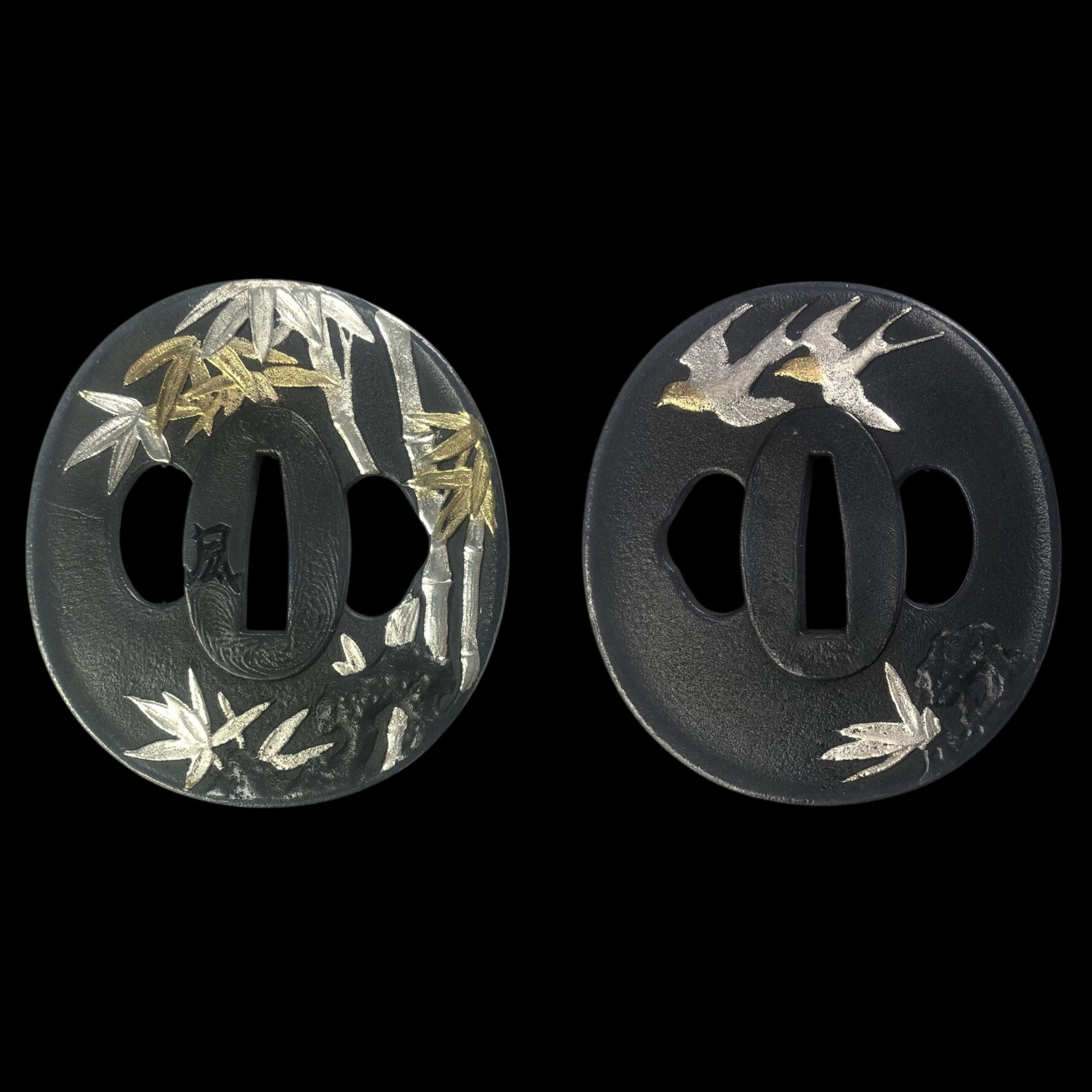
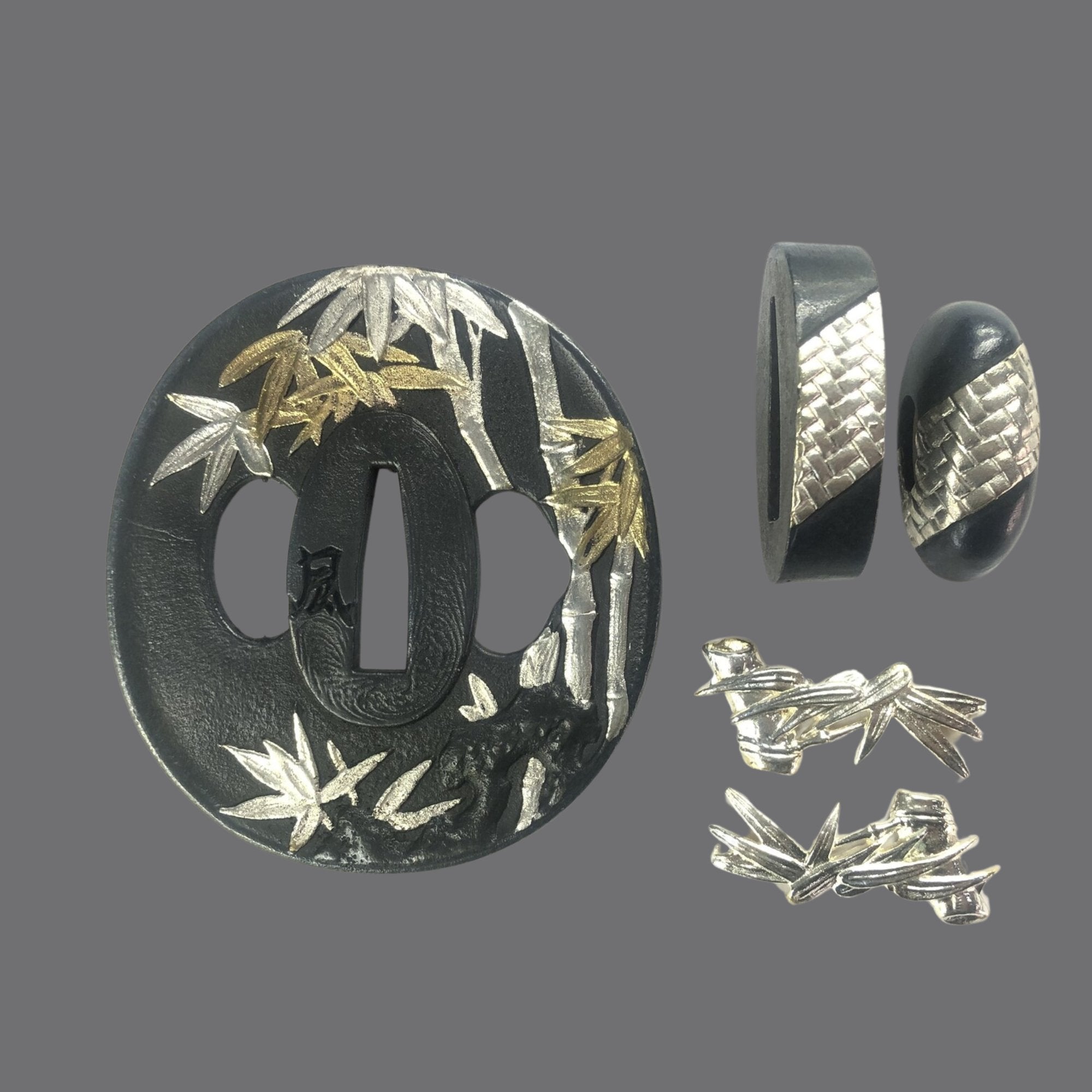
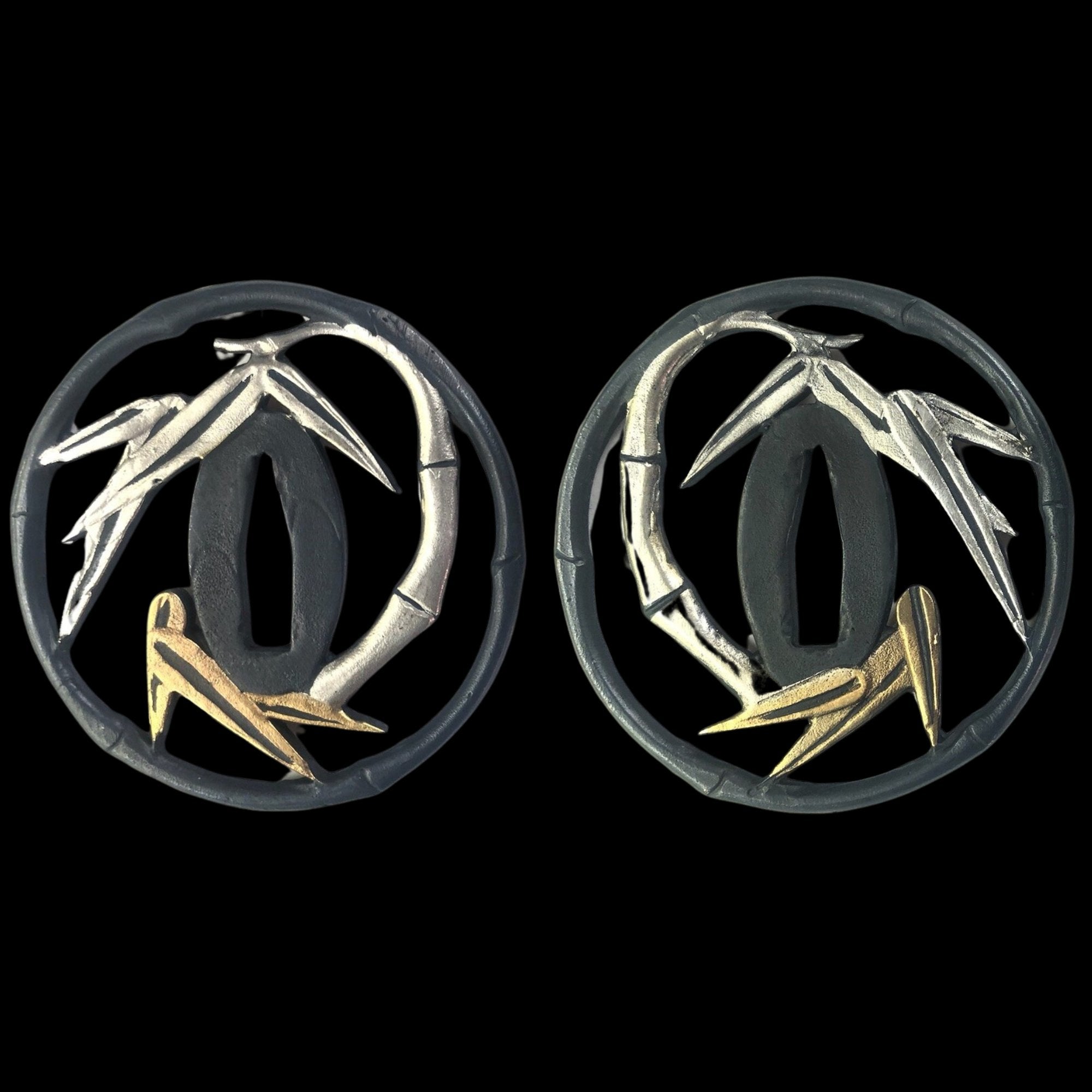
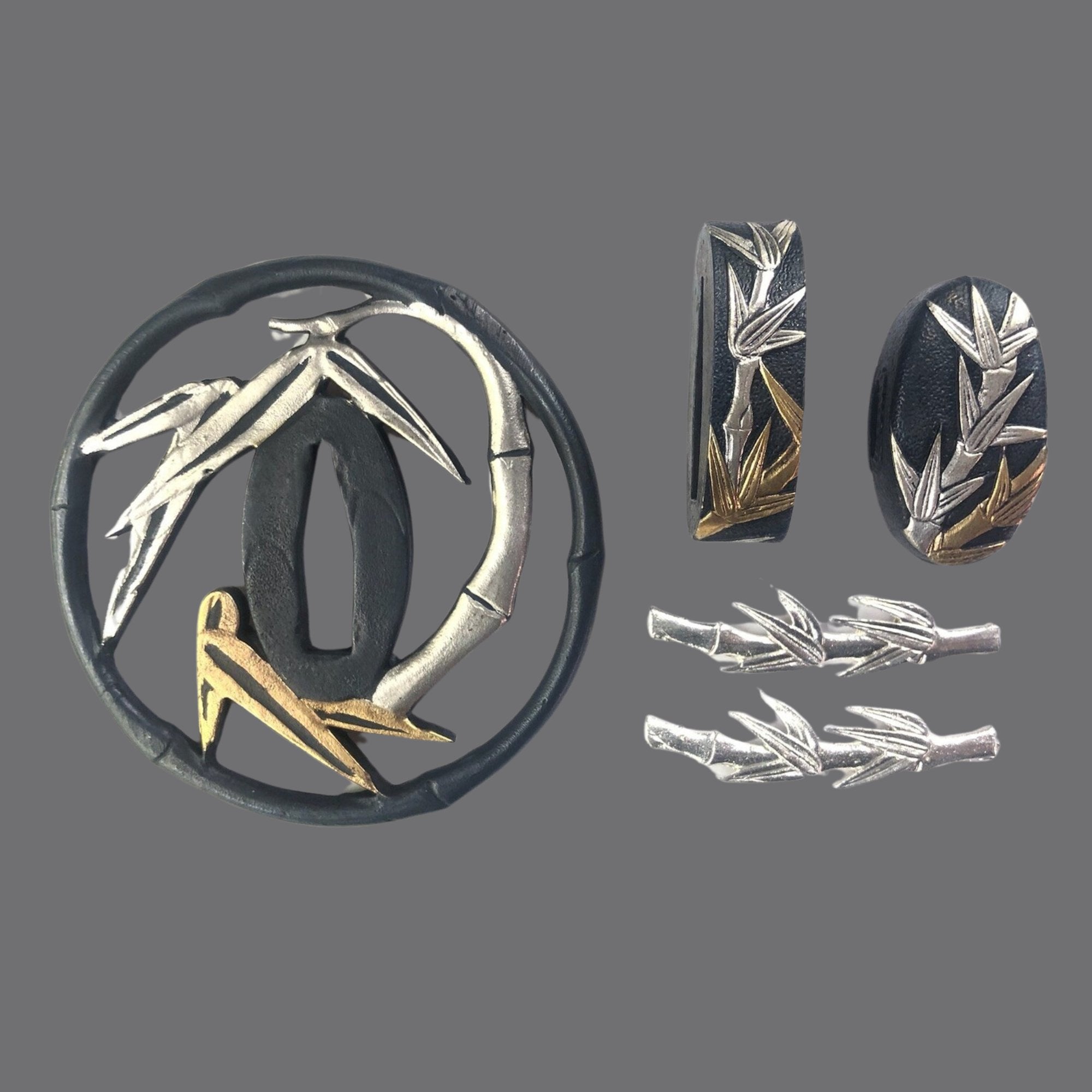
Tsuba
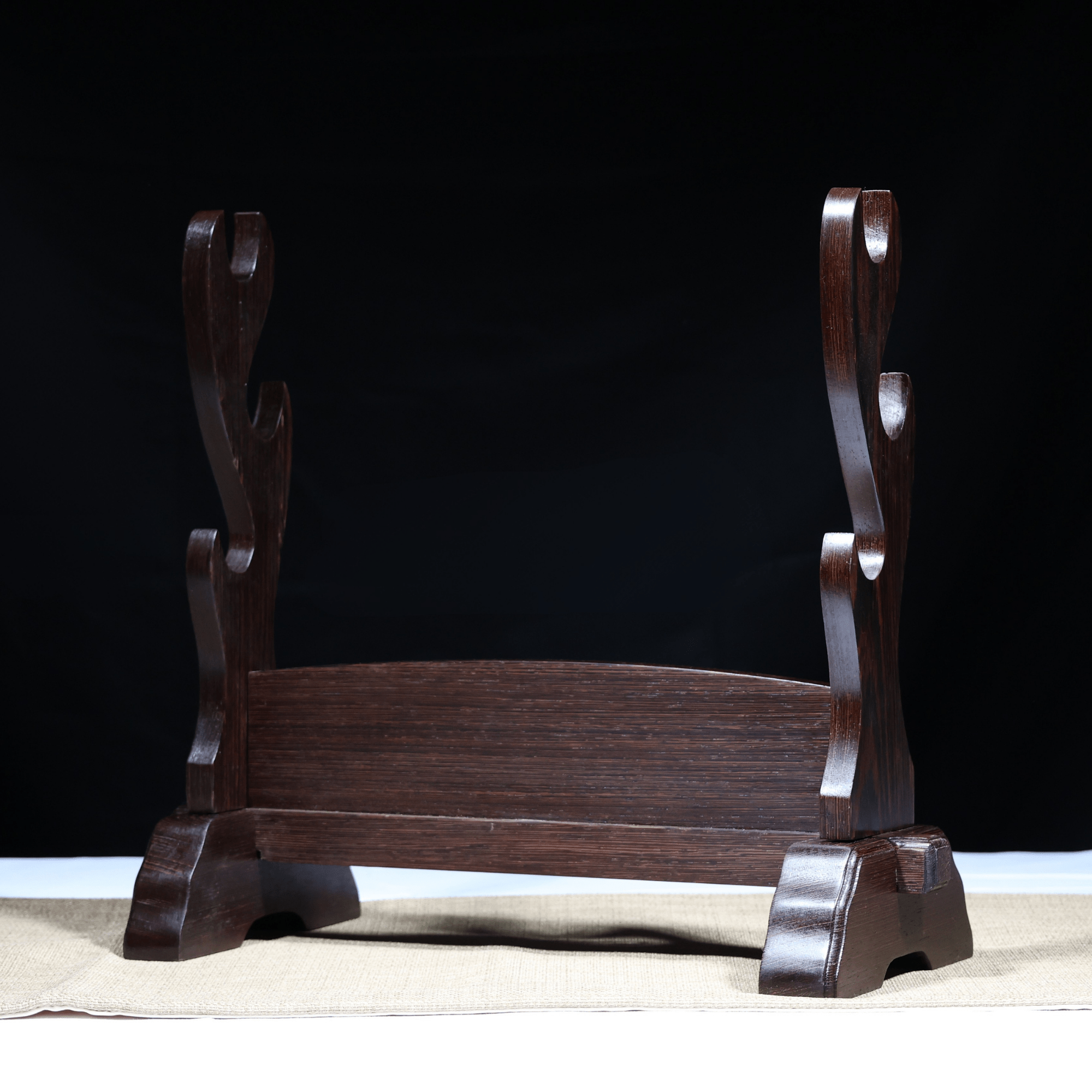
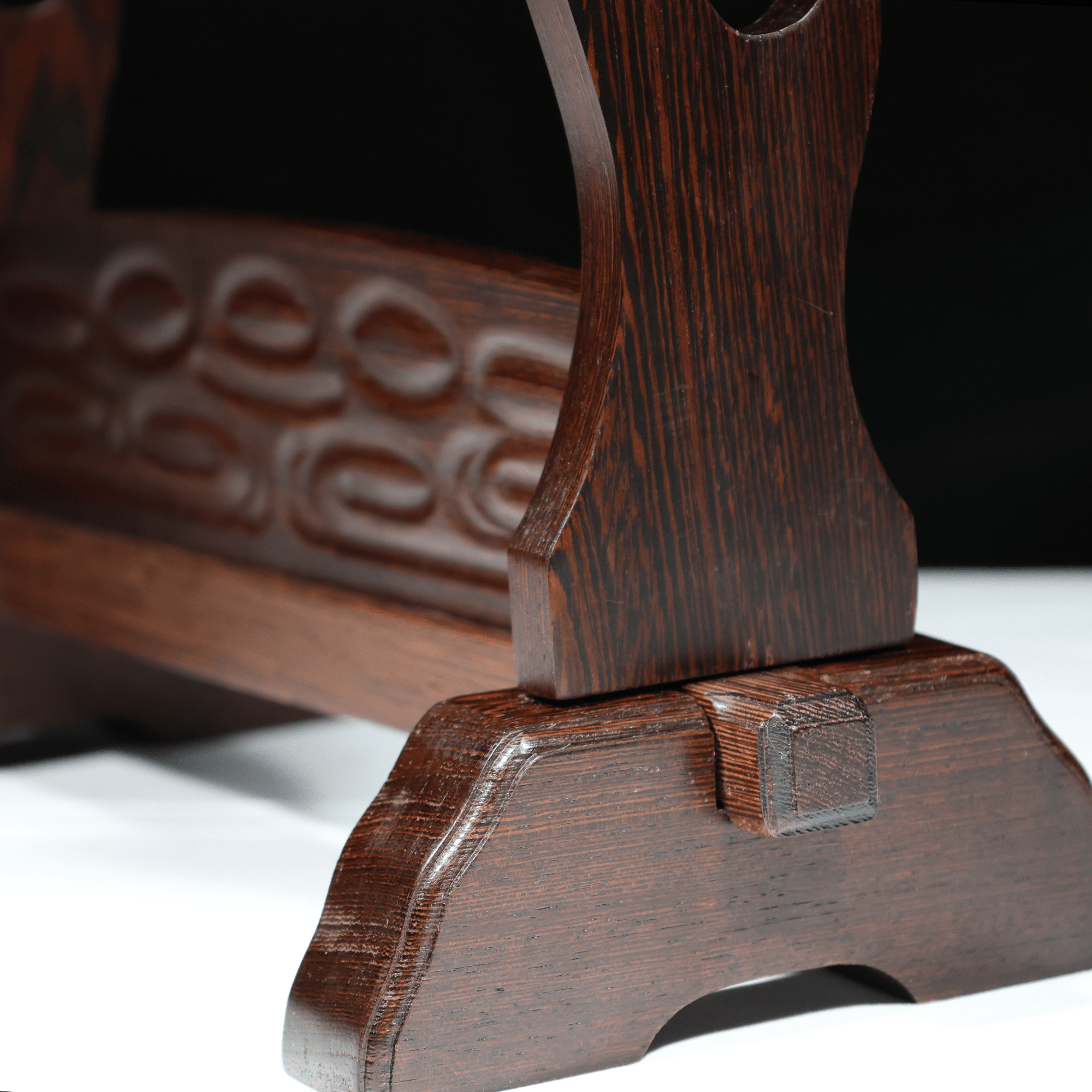
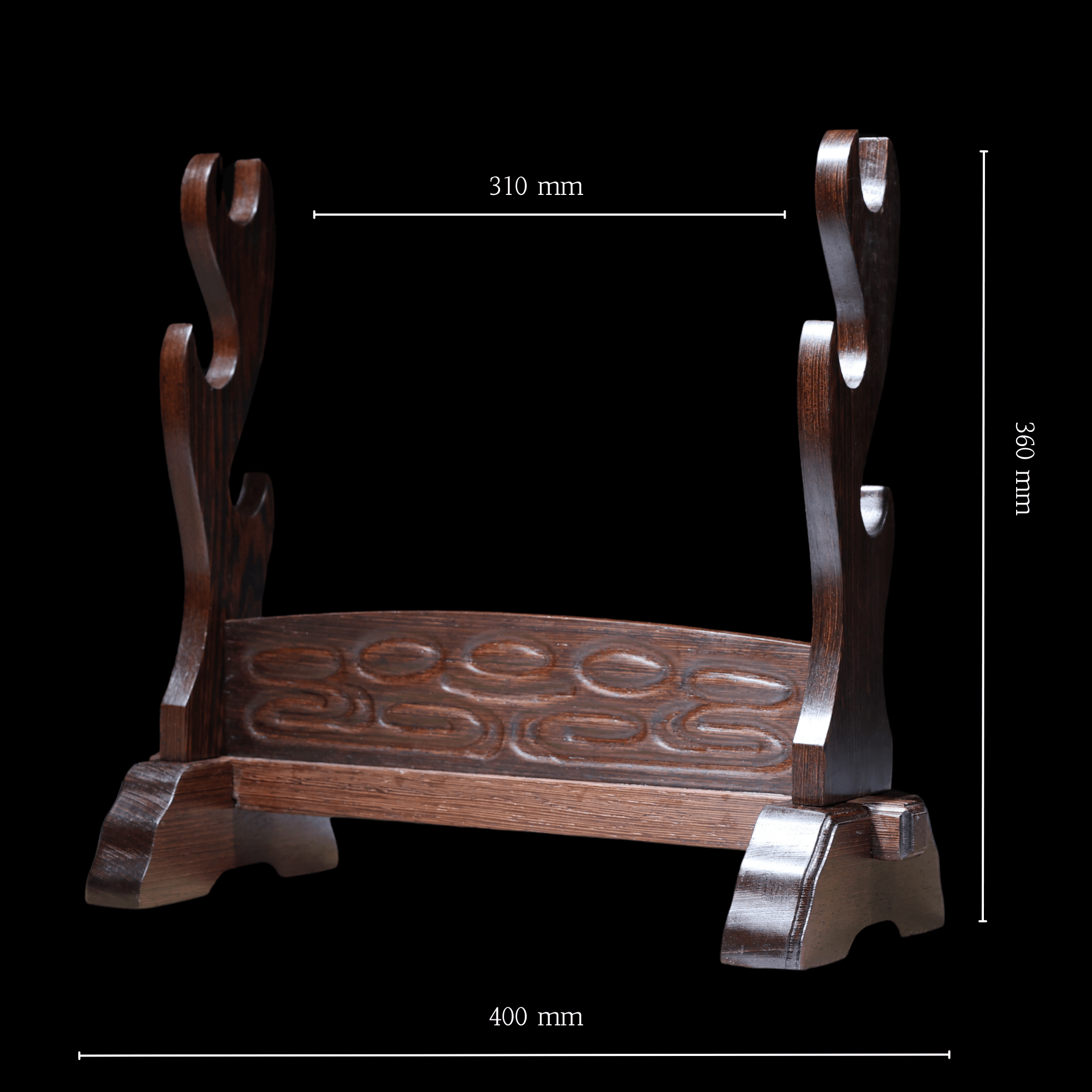
Sword Stand 刀座
View details



Anime Swords



History of The Katana
The straight, double-edged iron blade swords were introduced from China to Japan in the third to sixth century AD. The term katana was first used in the Kamakura period (1185–1333).
The first original Japanese sword began to appear during the early Heian period (around 700 CE), which was the precursor of the 'modern' katana.
Katanas were very popular among samurai in the Edo period (1603–1868).
Because of Japan's industrialization and westernization in the Meiji period, the weapons shifted from swords to firearms. Almost simultaneously with the Haitōrei (sword prohibition) Edict of 1876, the use of the katana in daily life ended.
Thanks to Japanese movies and anime, the Japanese Katana sword has become popular again in recent years.
Want a real katana? Please browse our wide range of Samurai Sword & Nihonto at KatanaSwordArt.
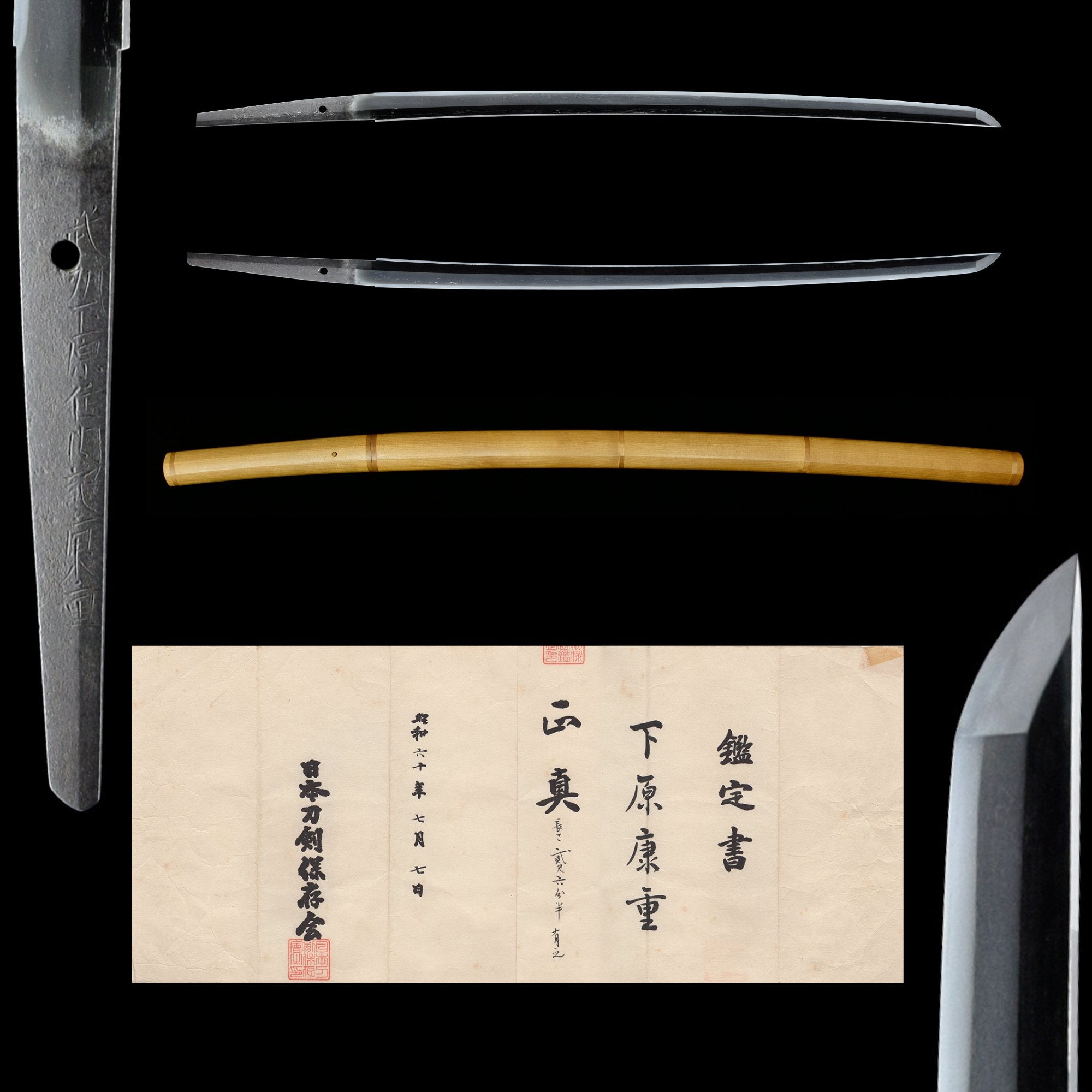
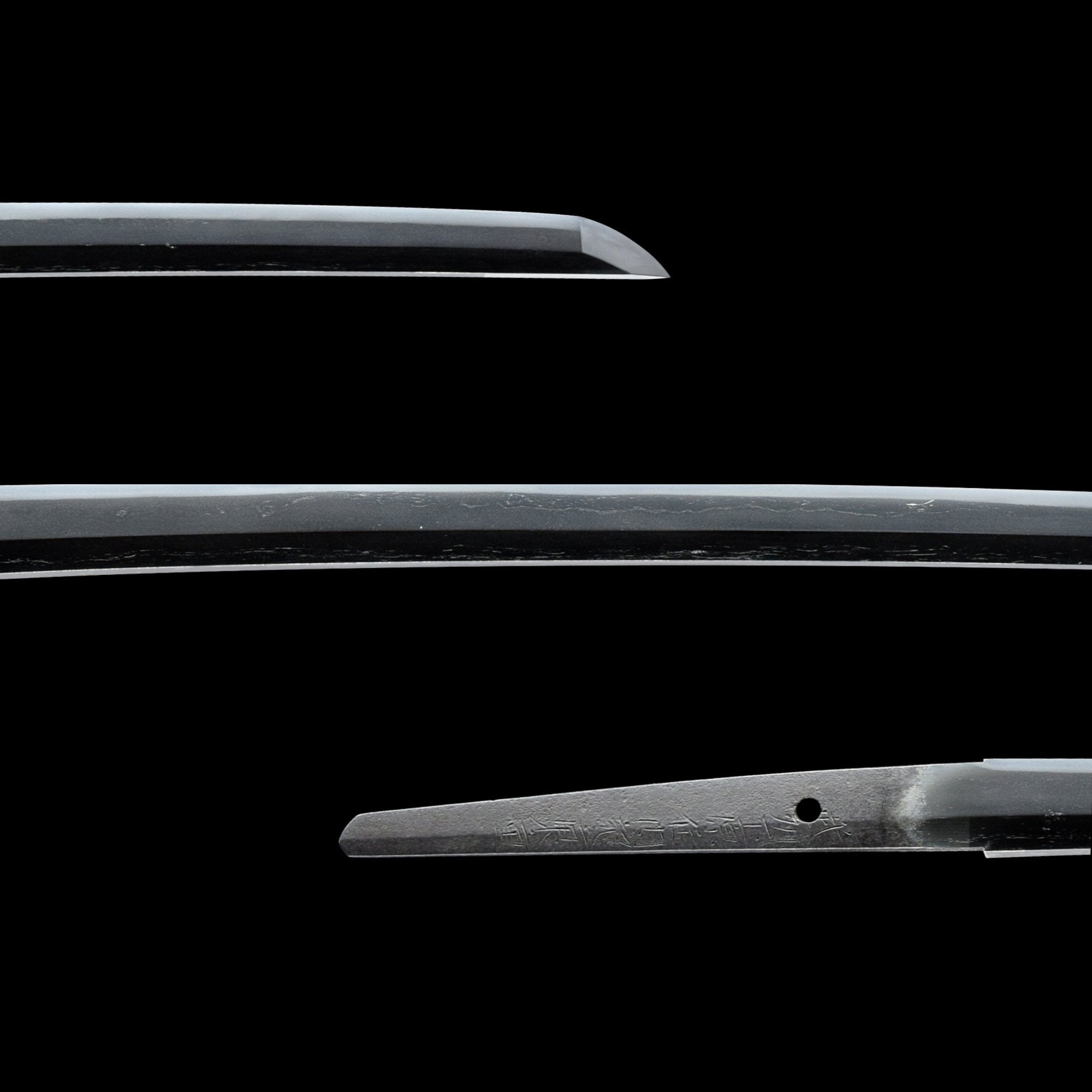
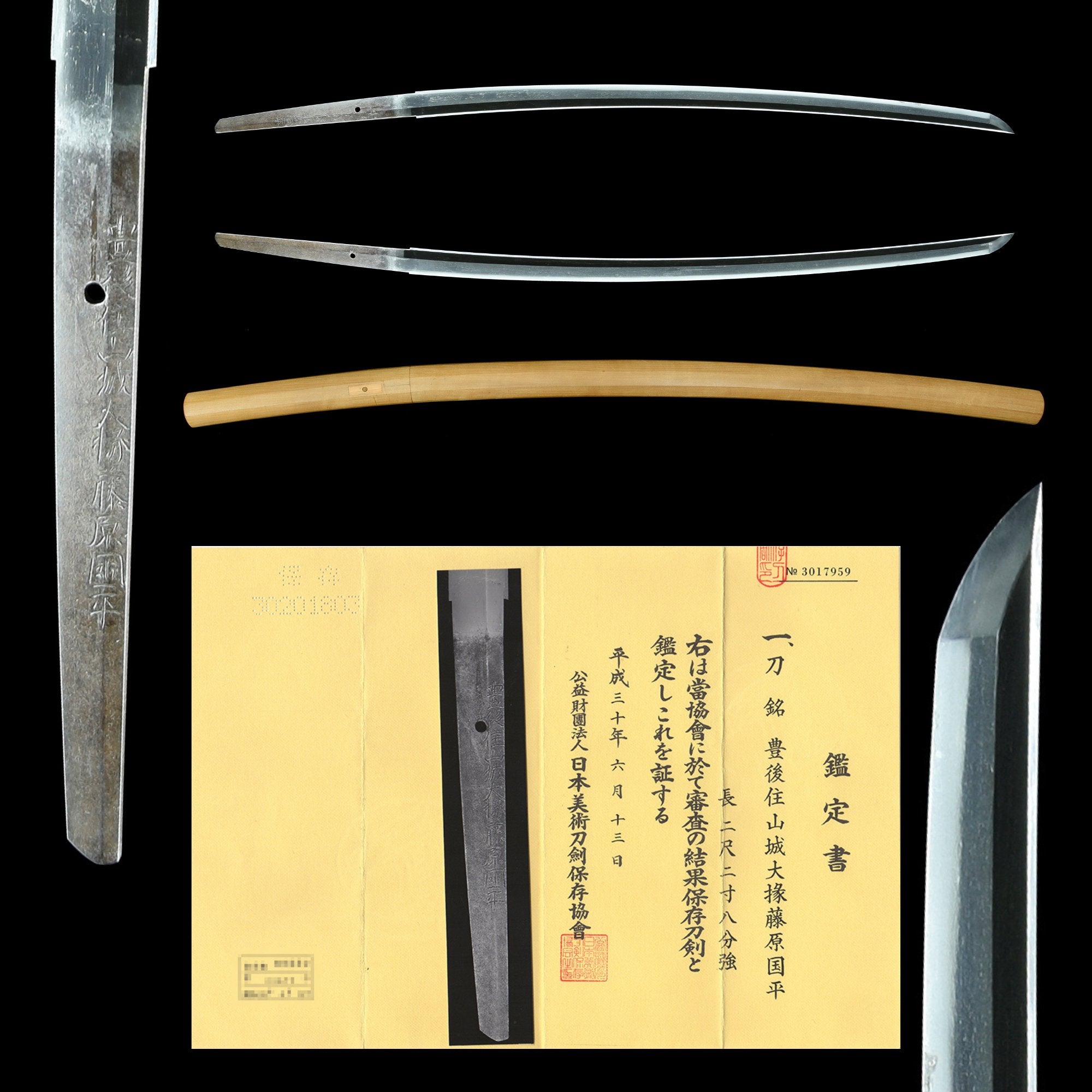
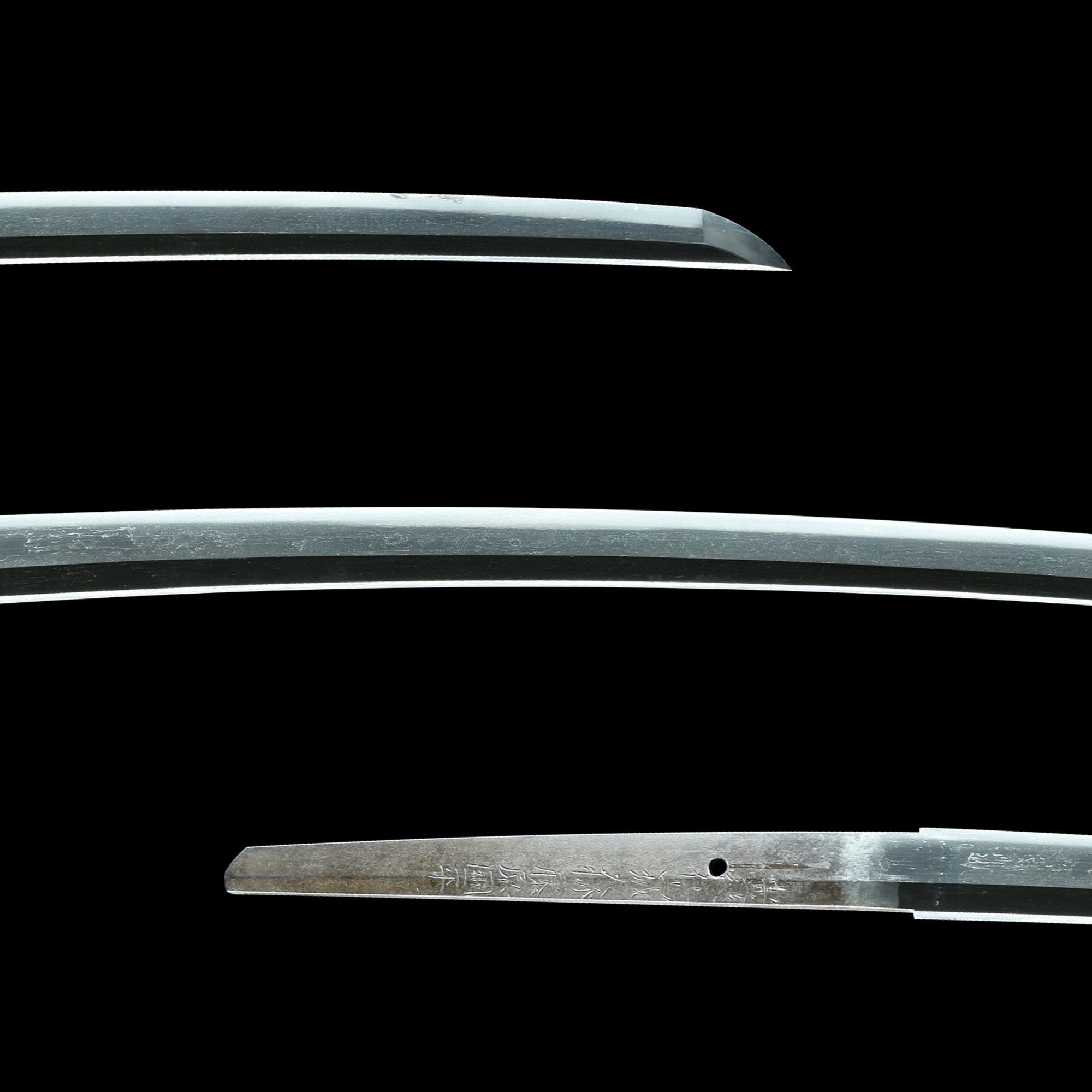
Katana for Sale in AustraliaNihontō 日本真刀剣
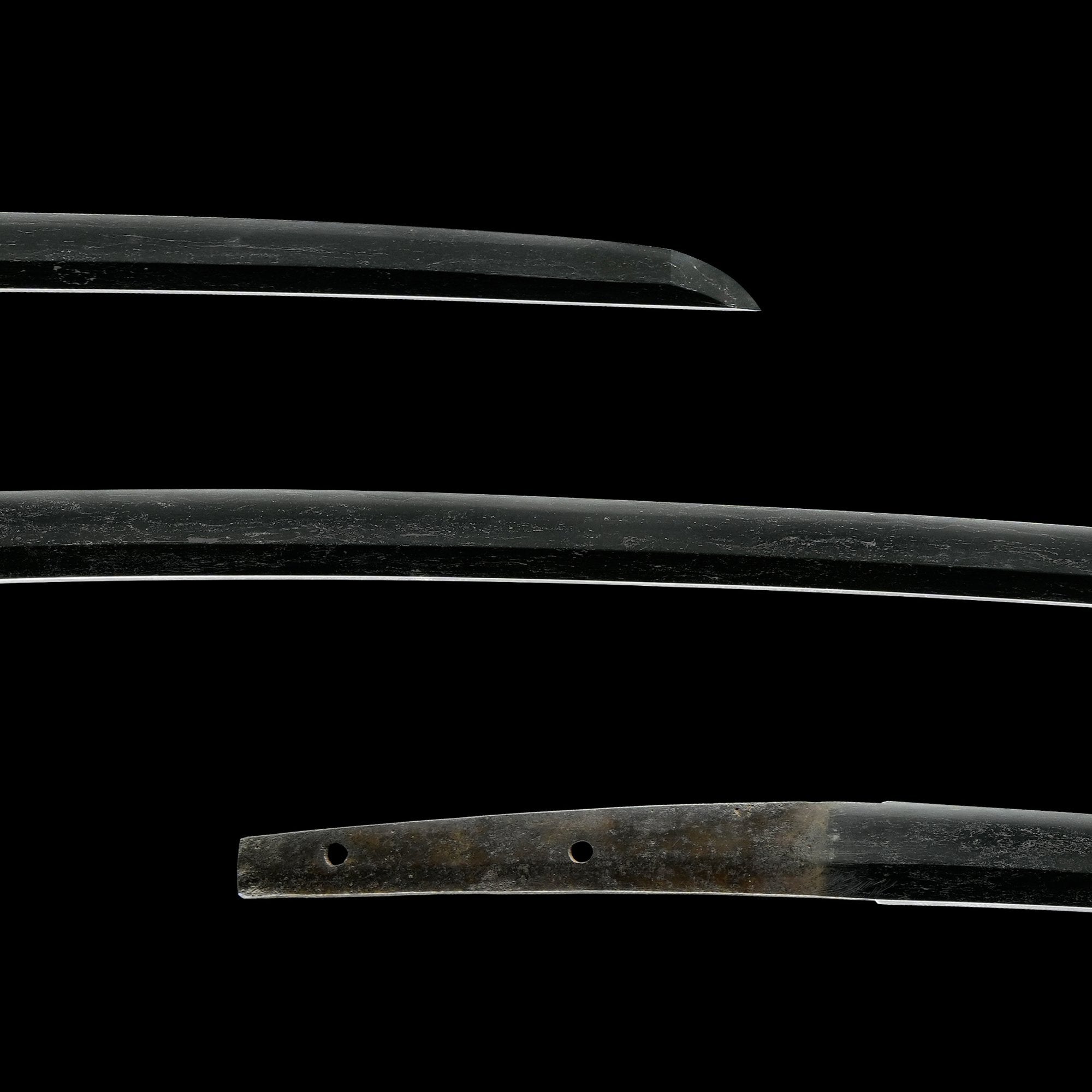
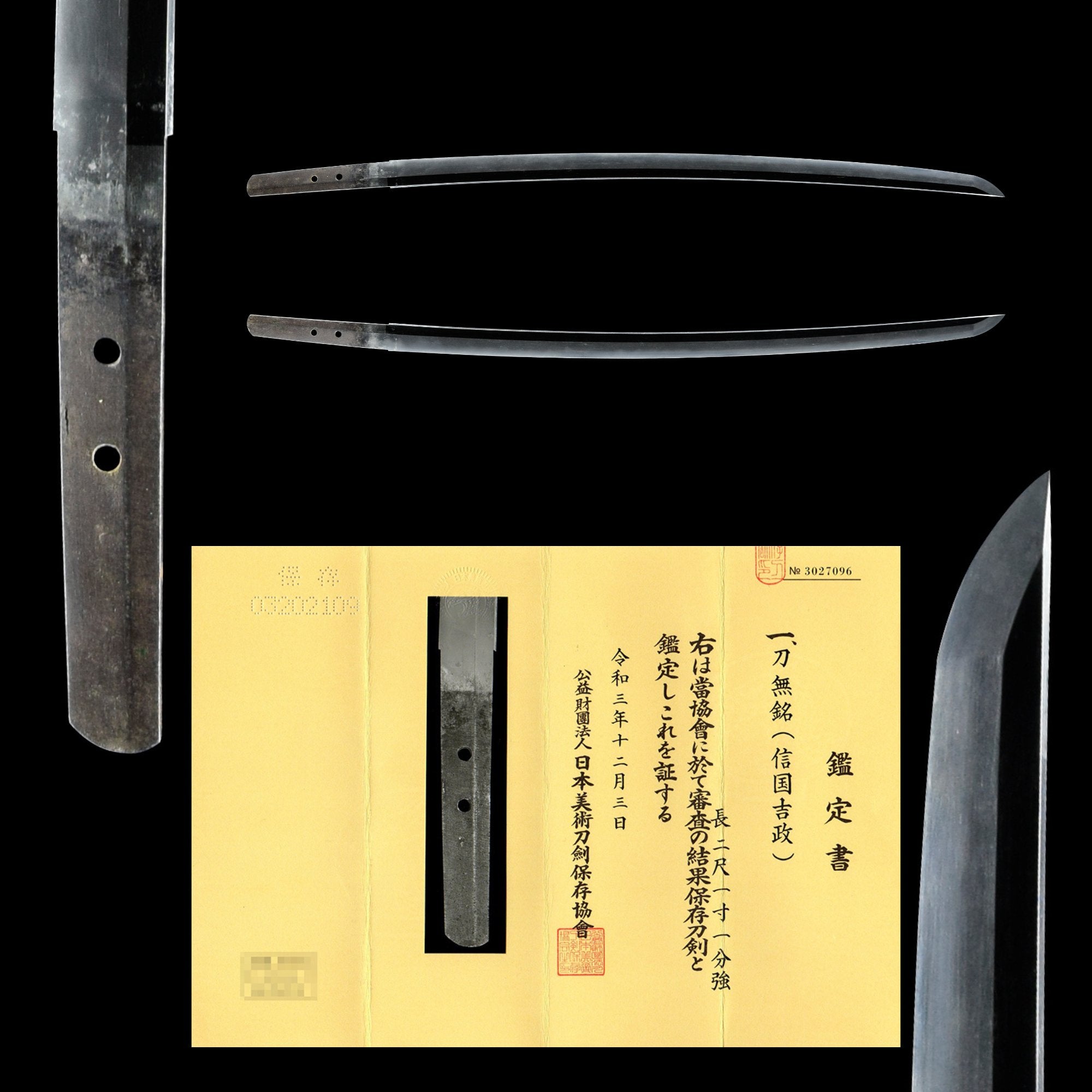
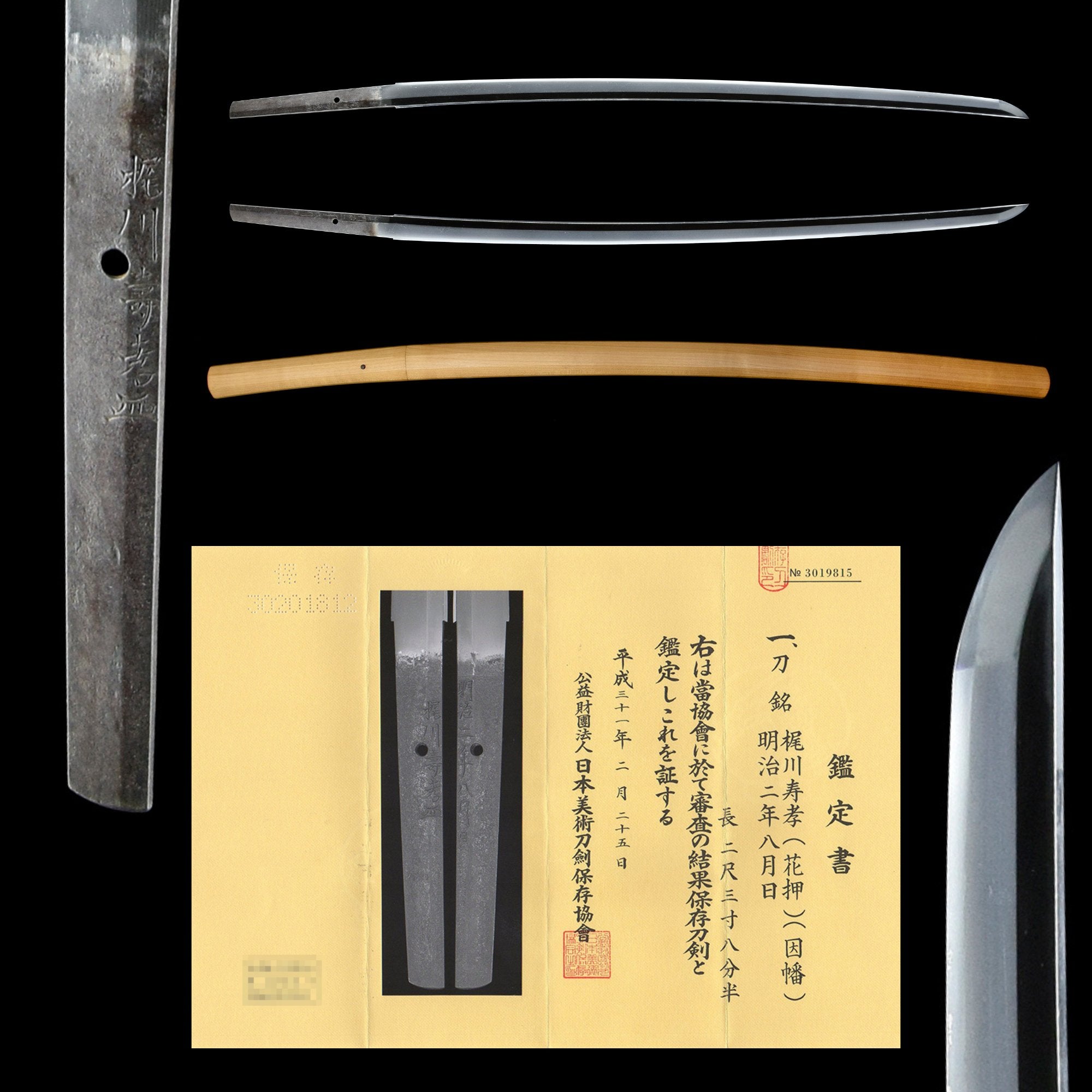
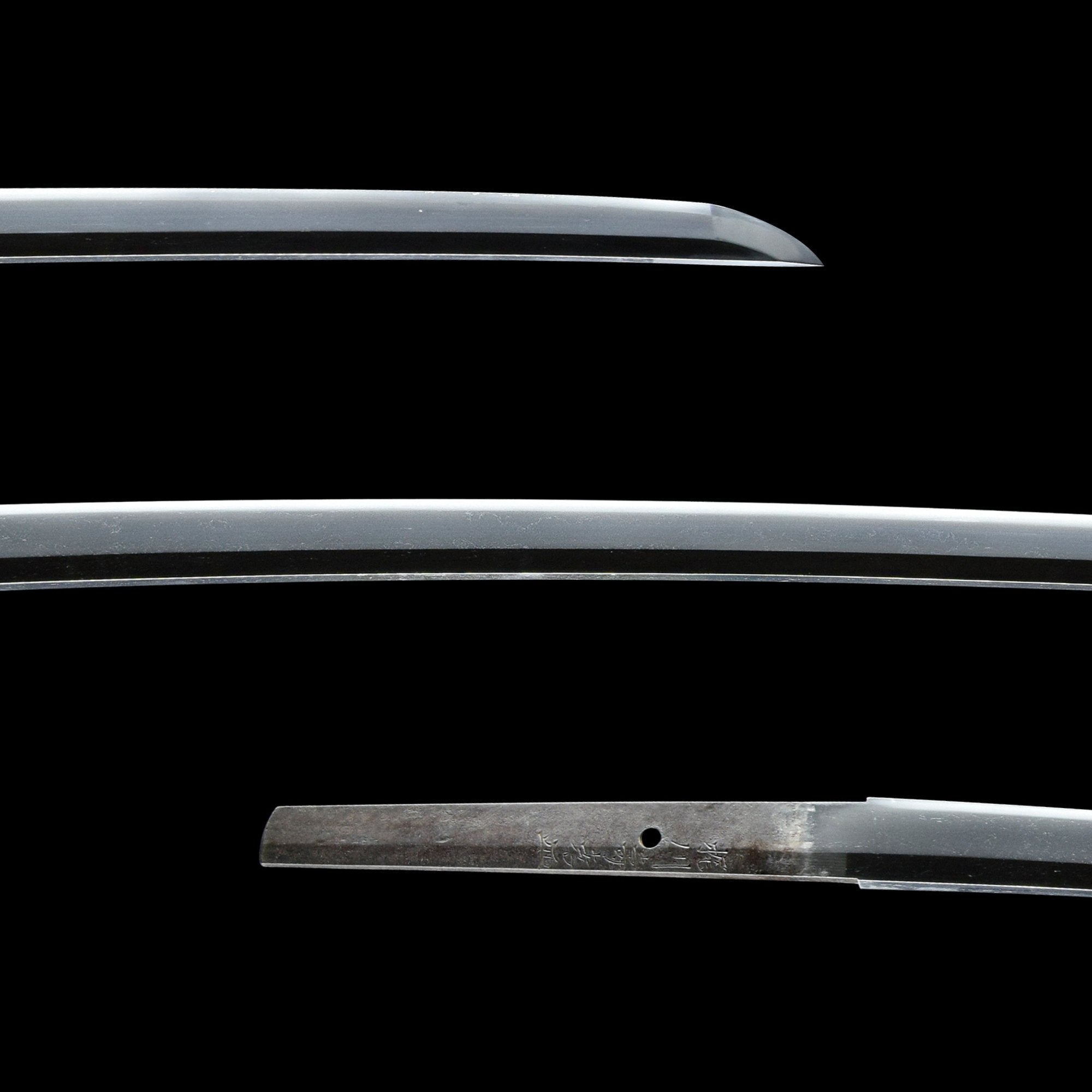
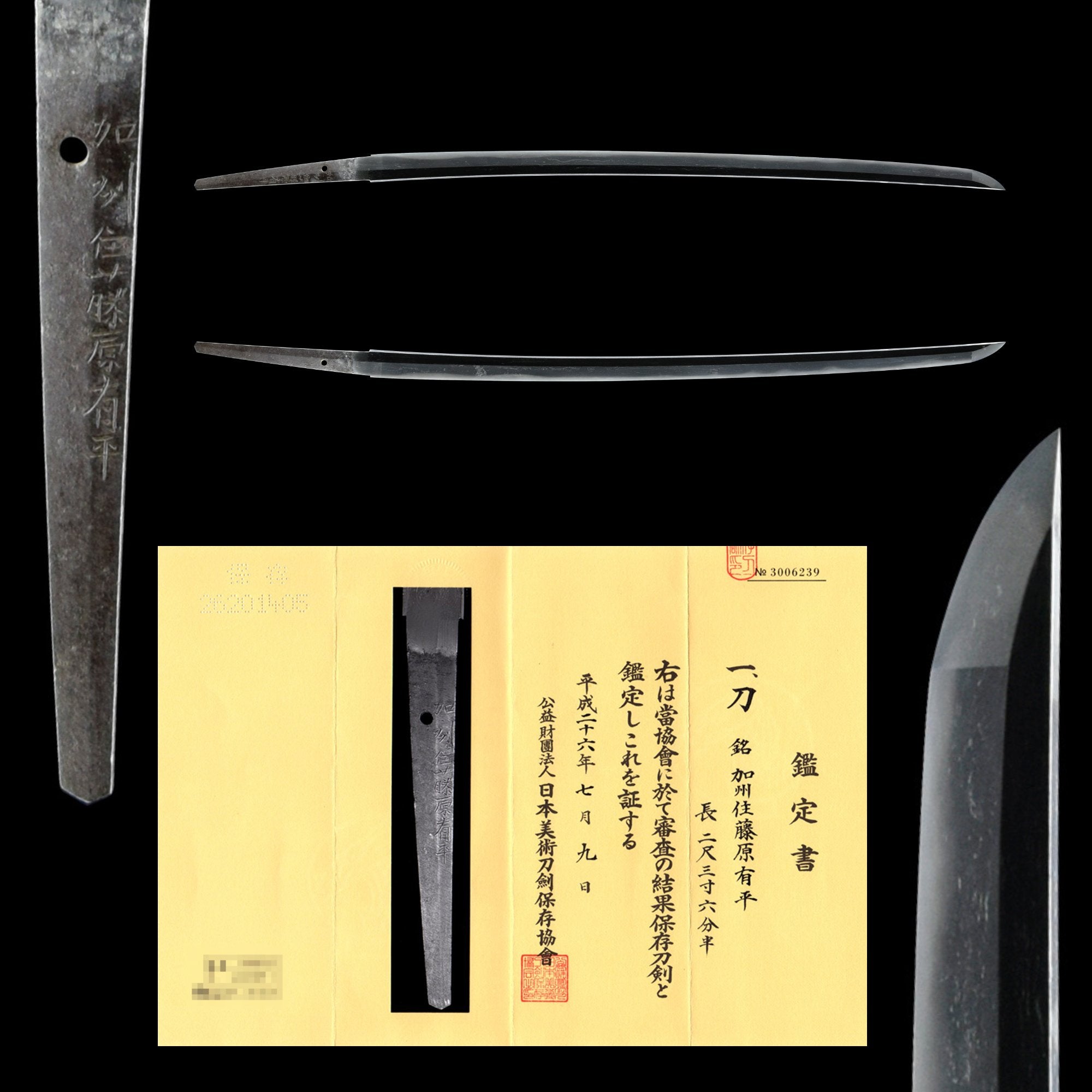
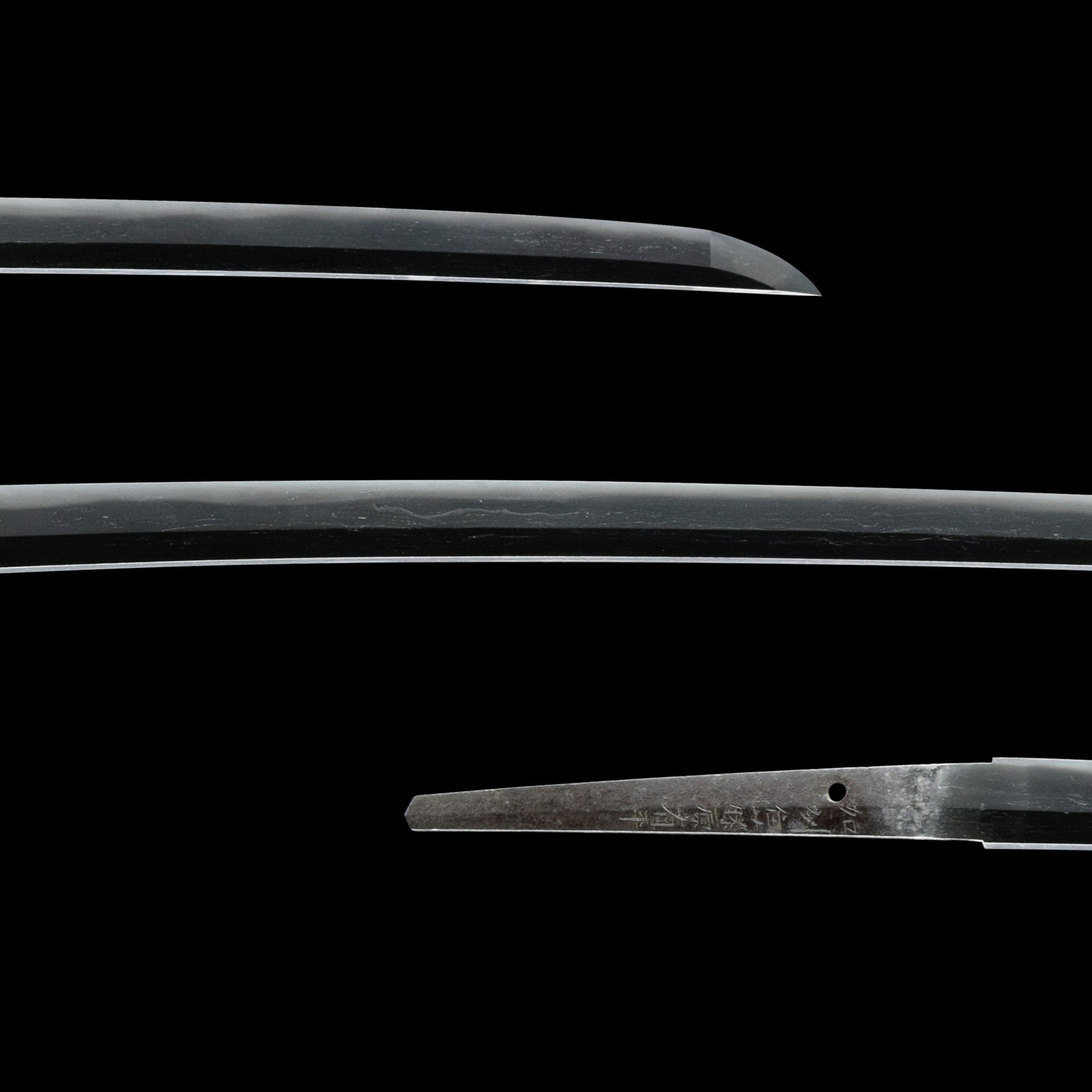
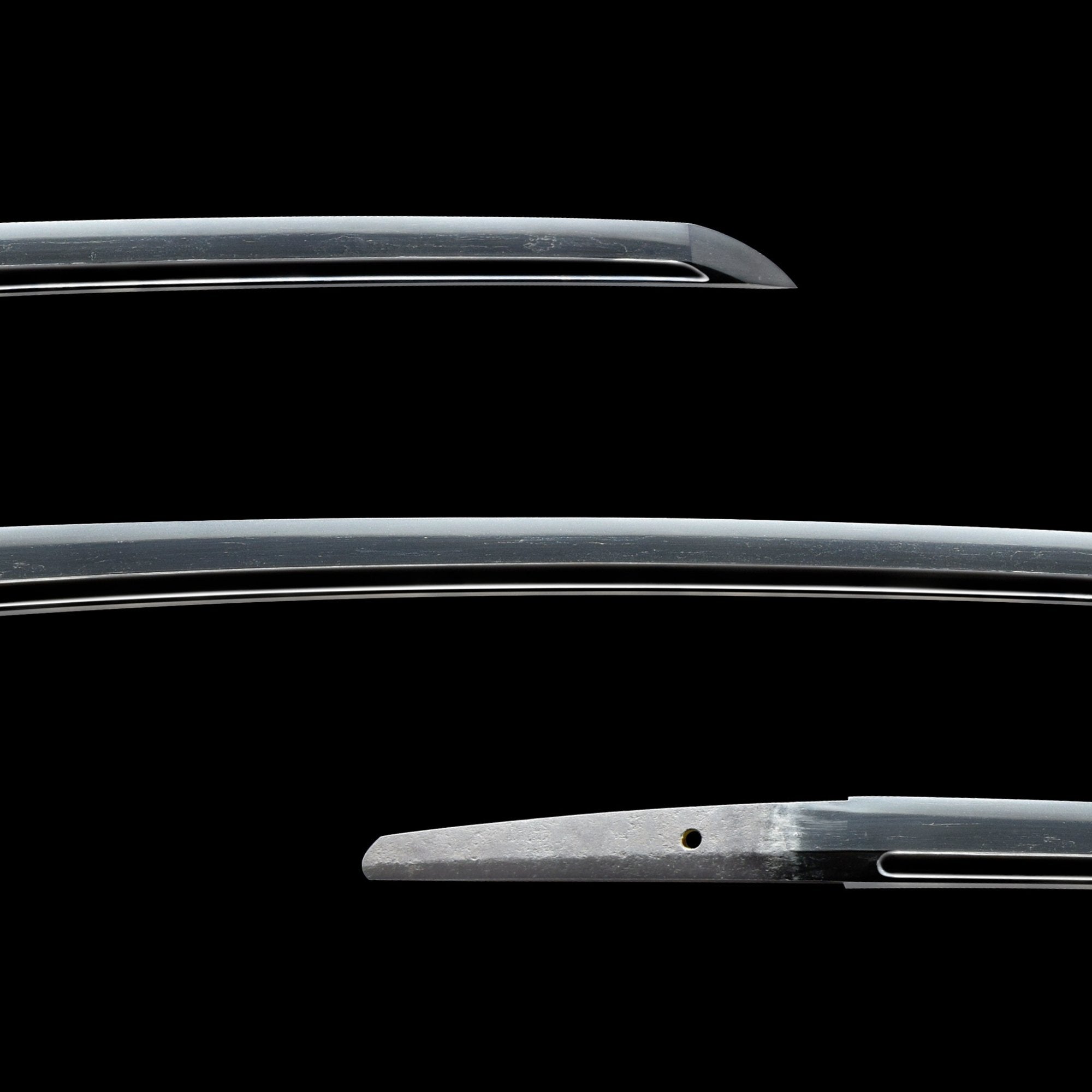
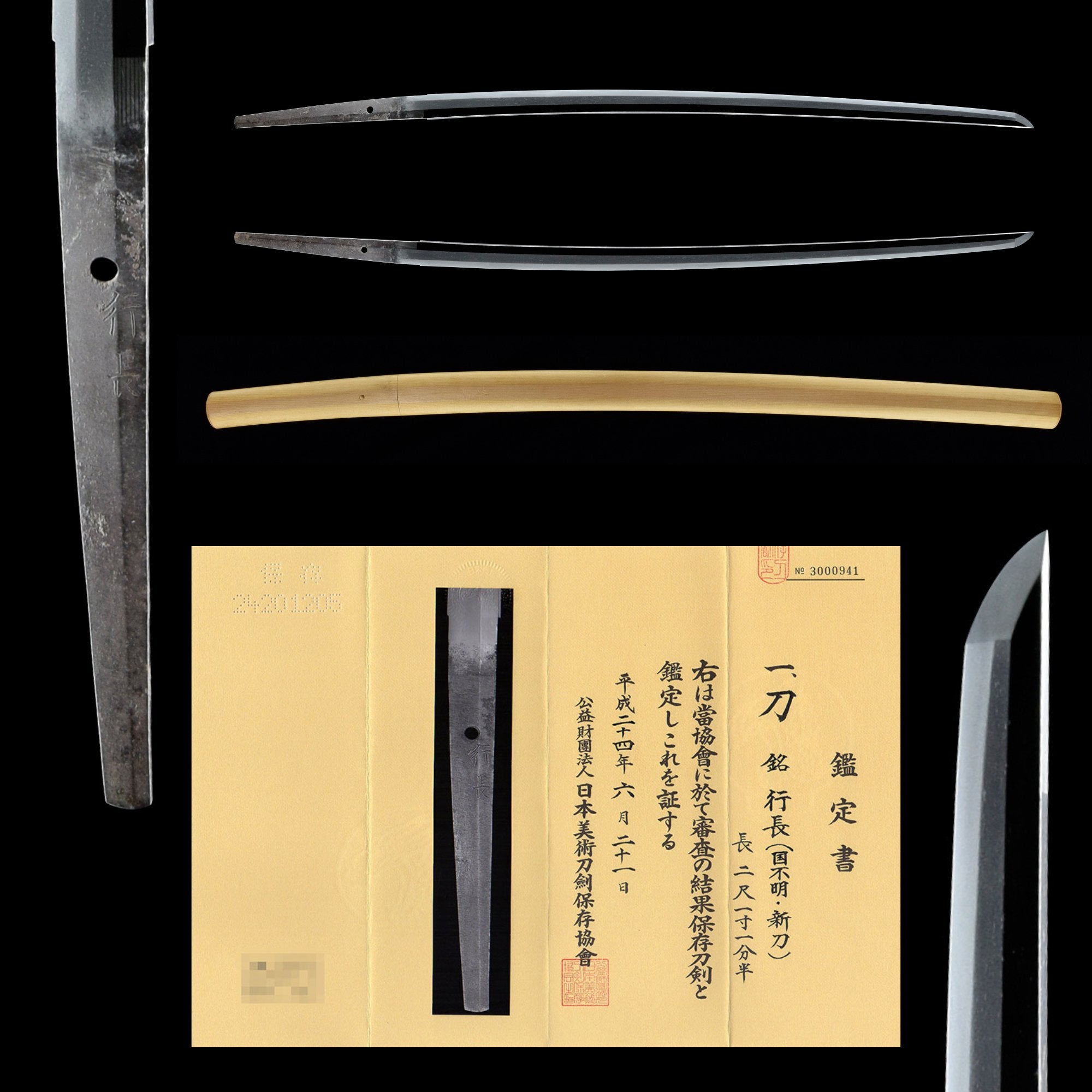
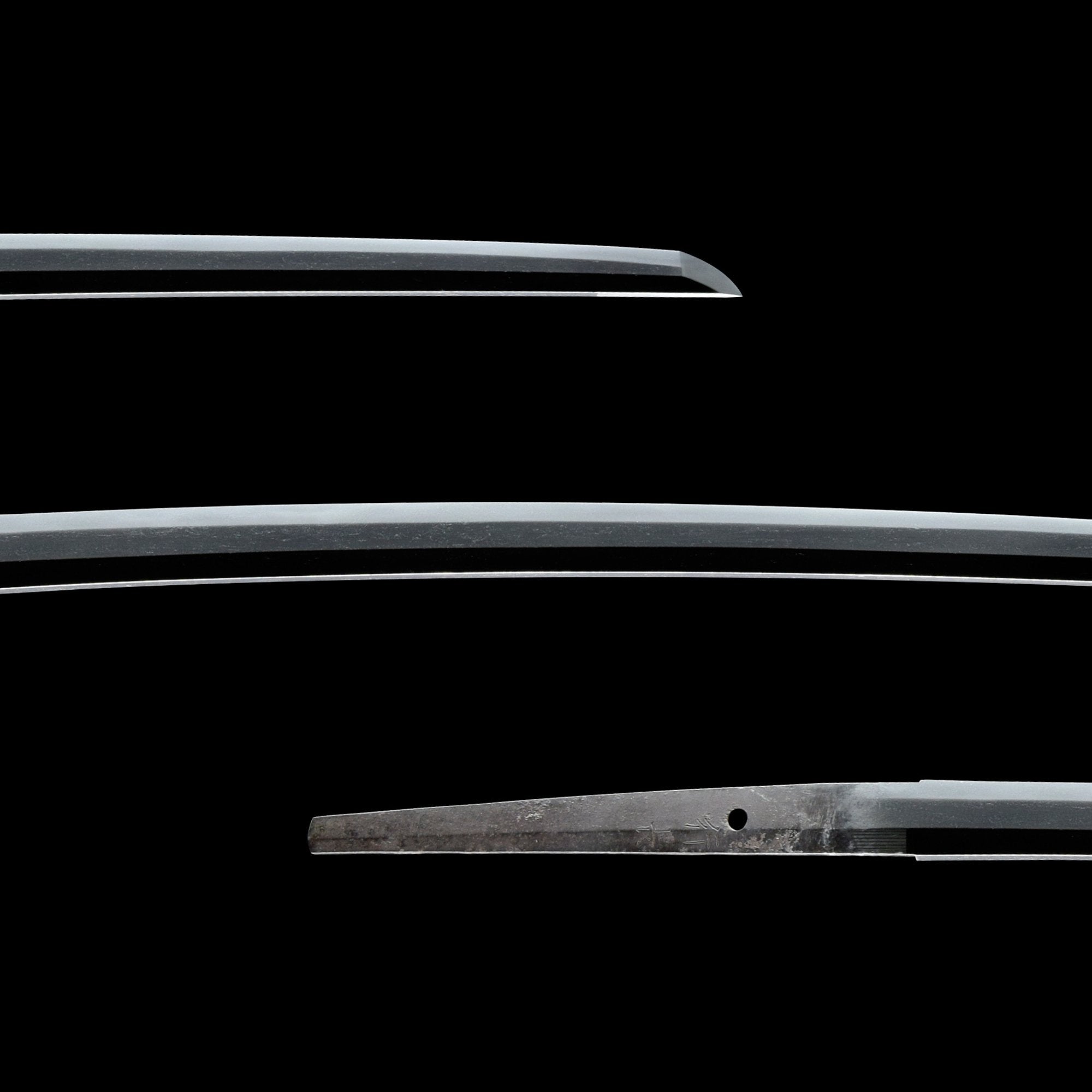
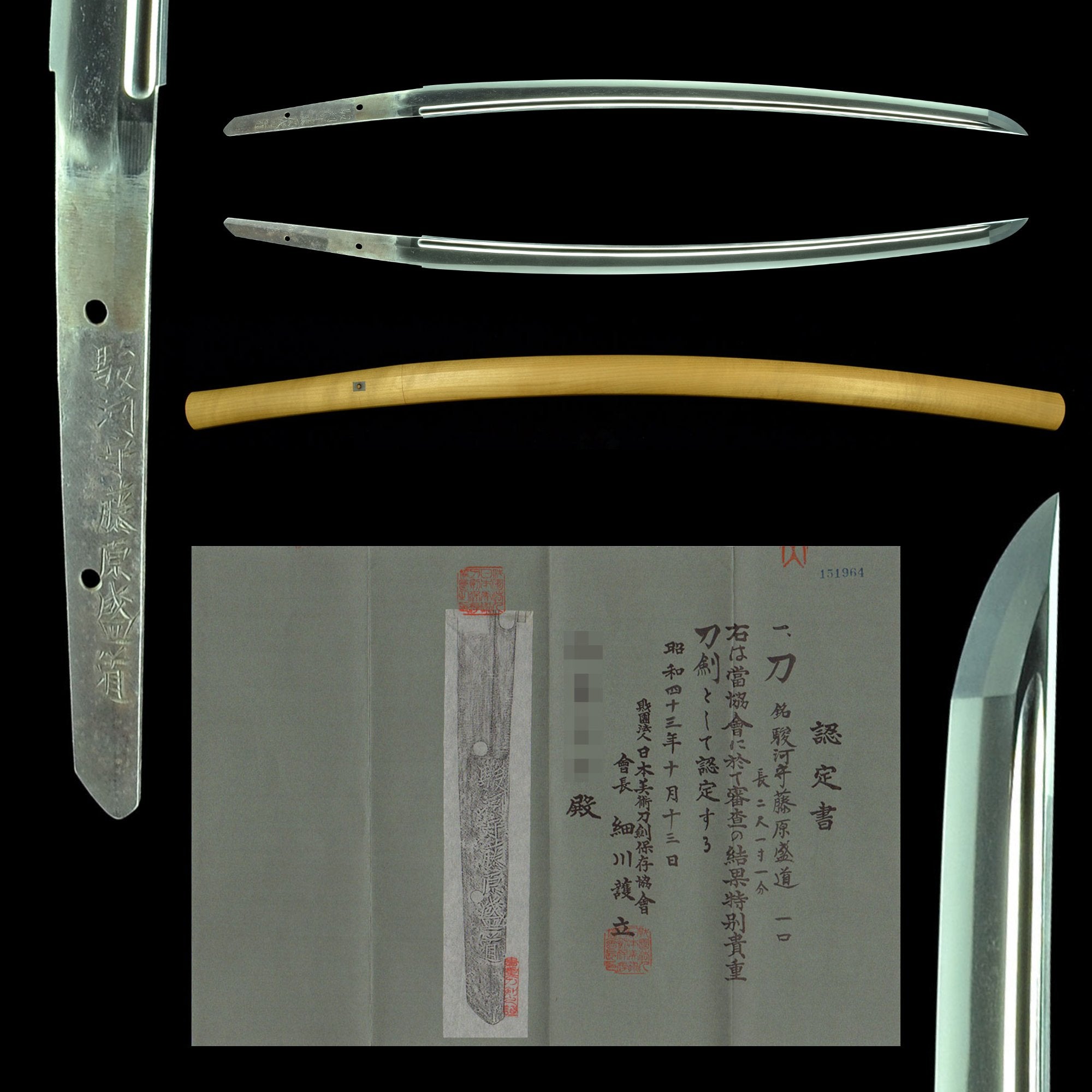
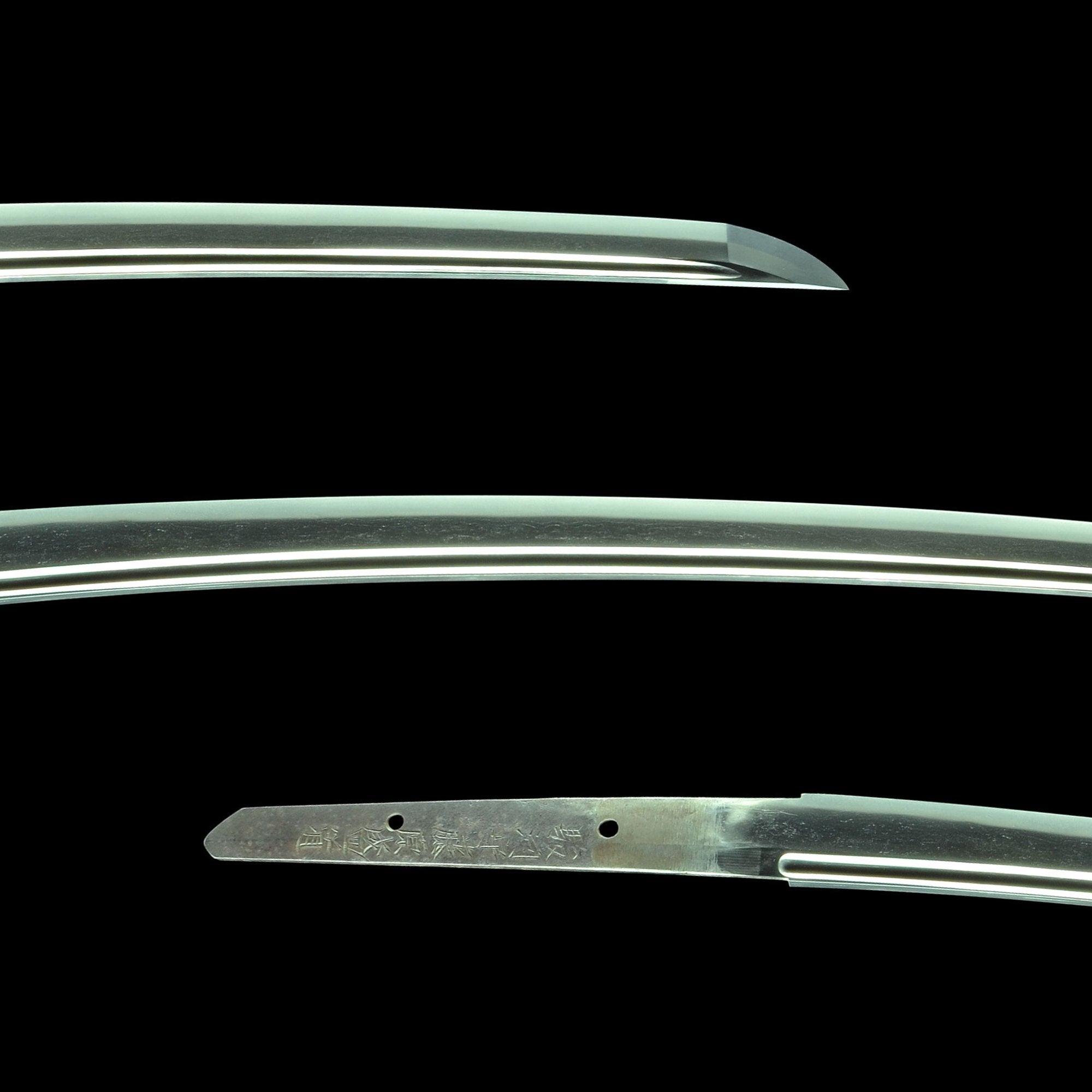
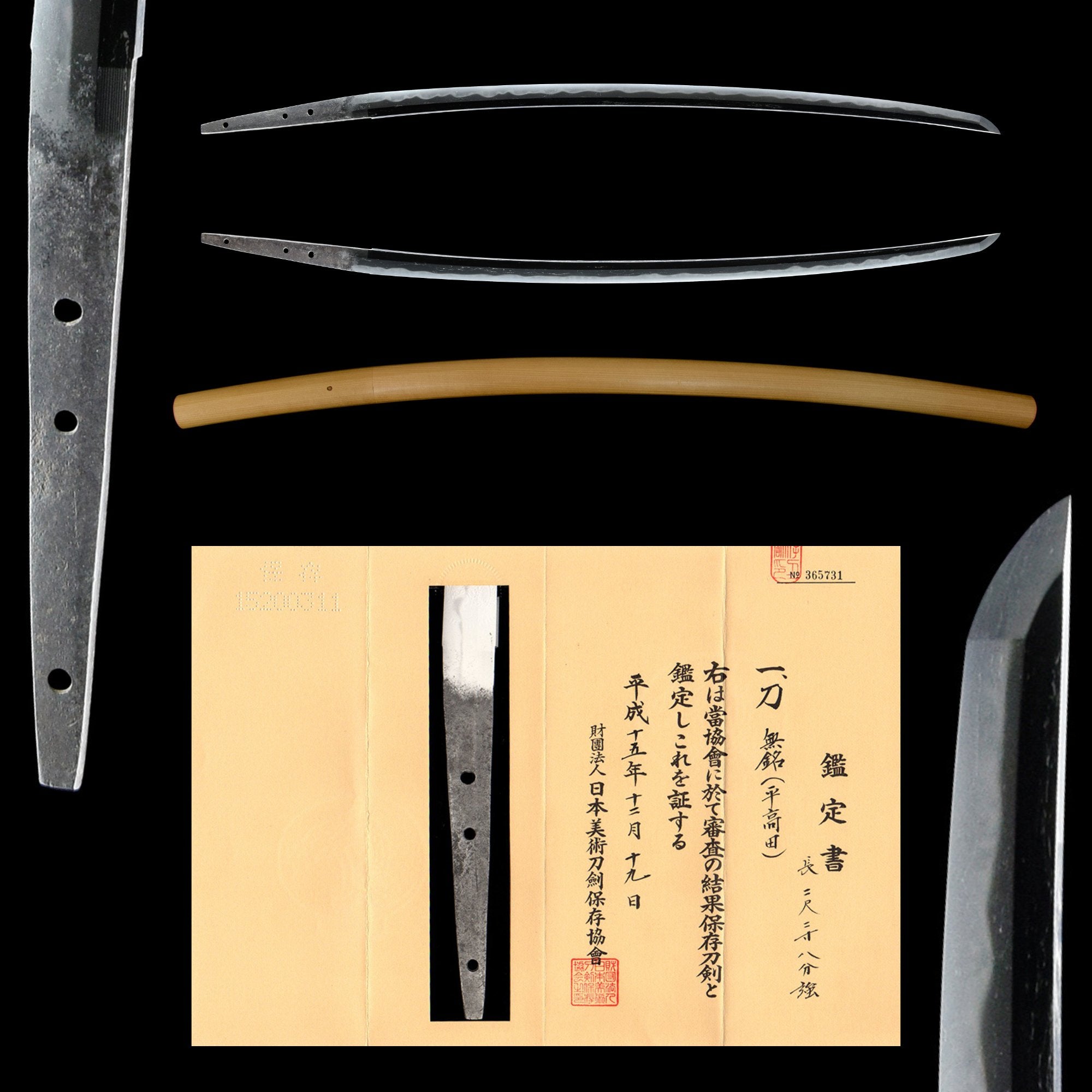
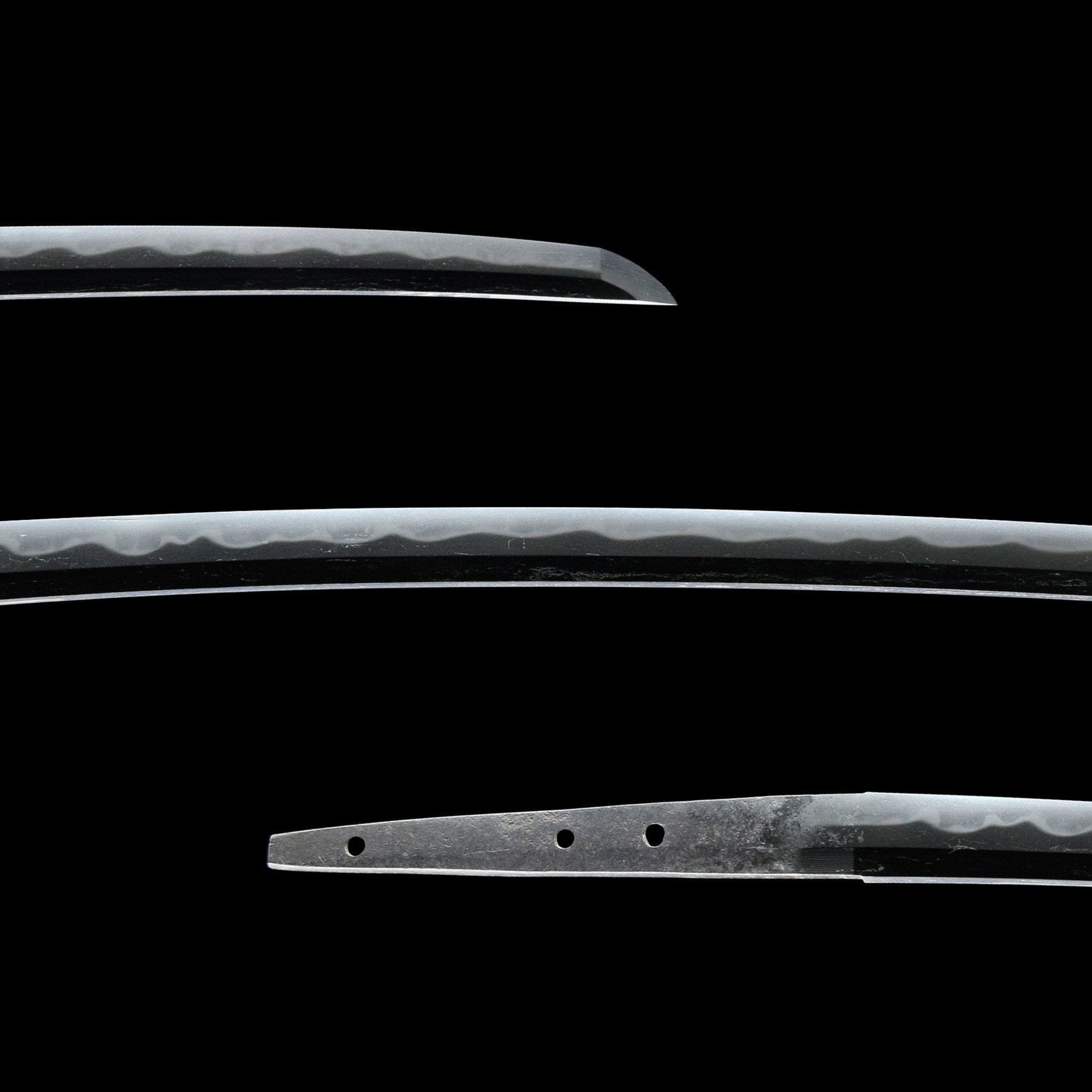
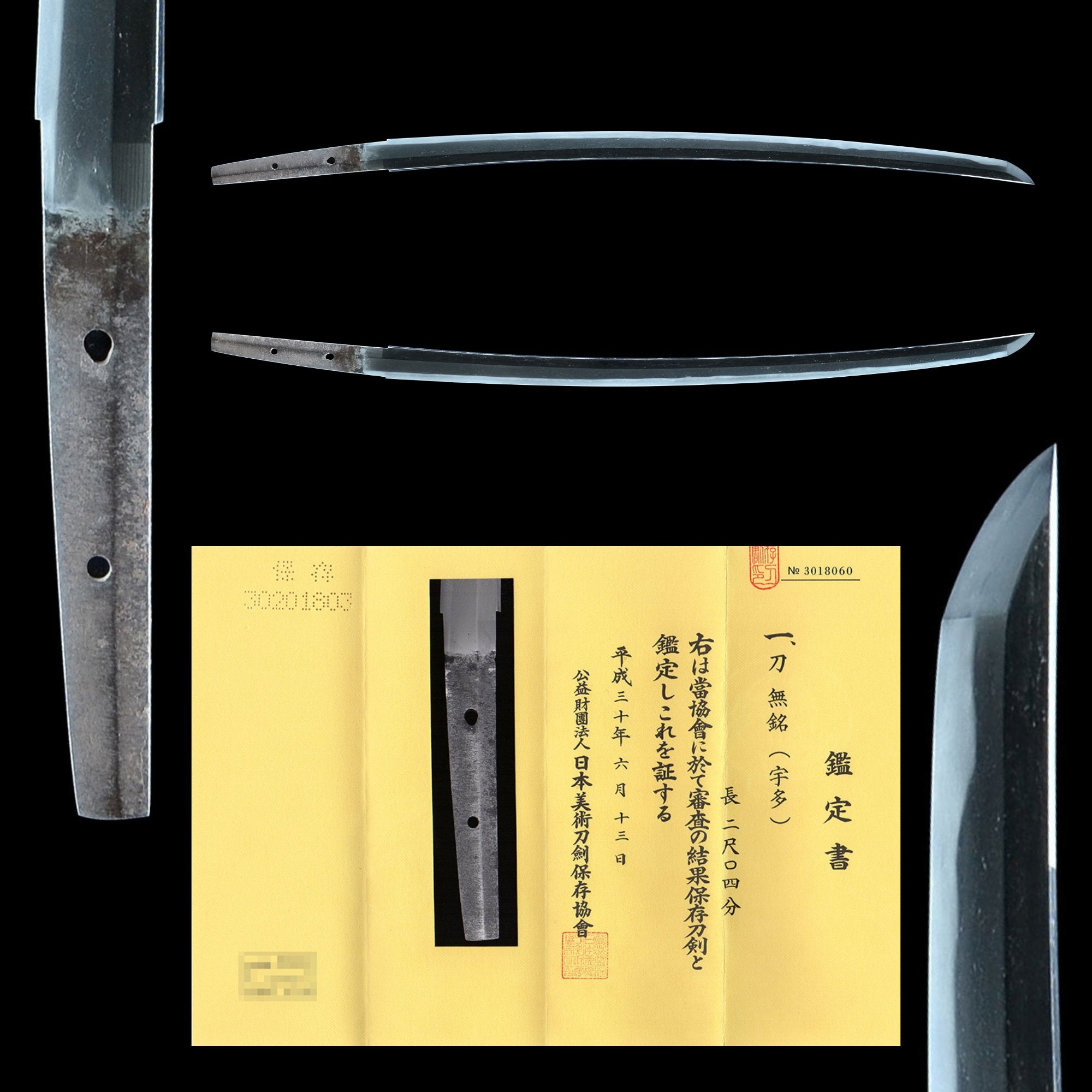
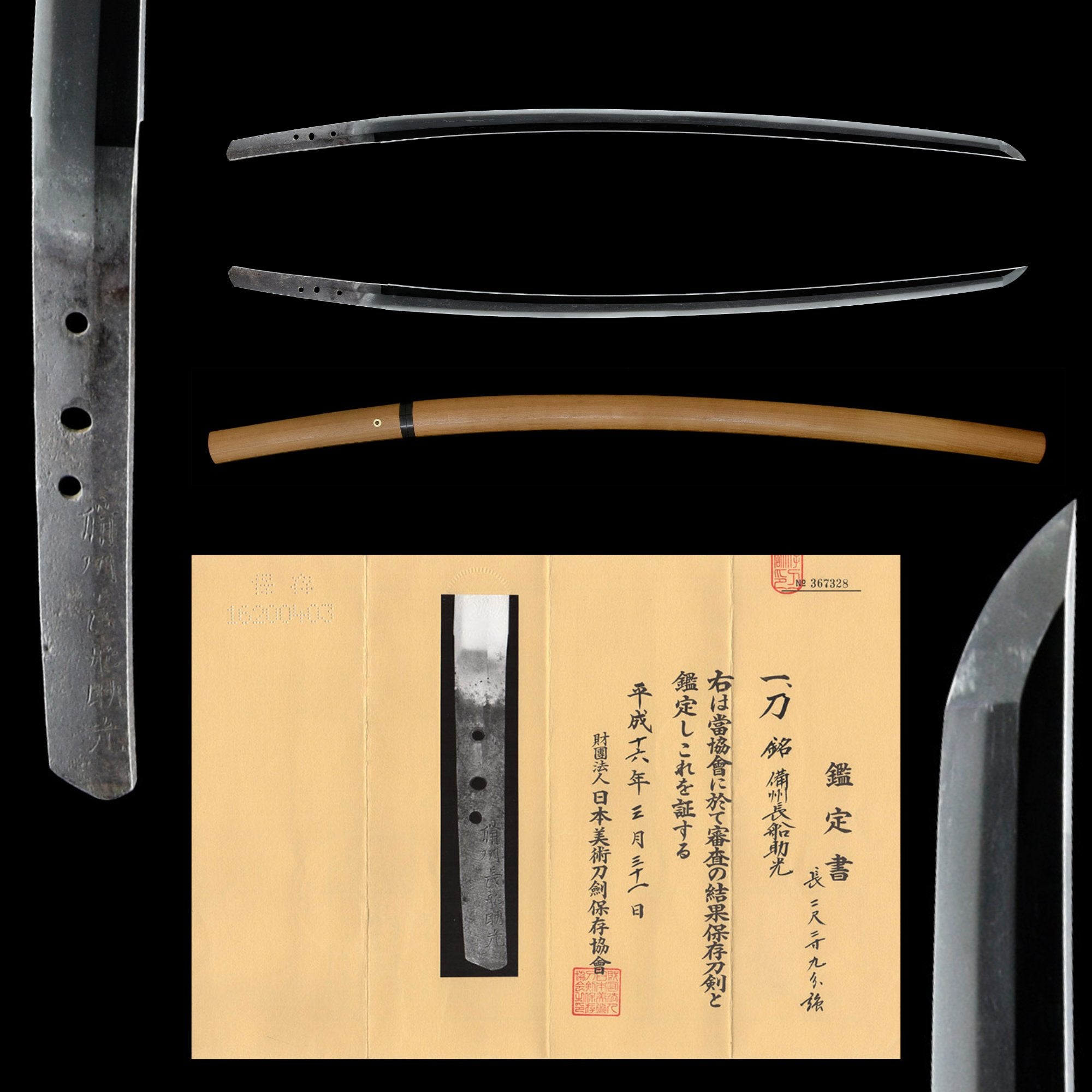
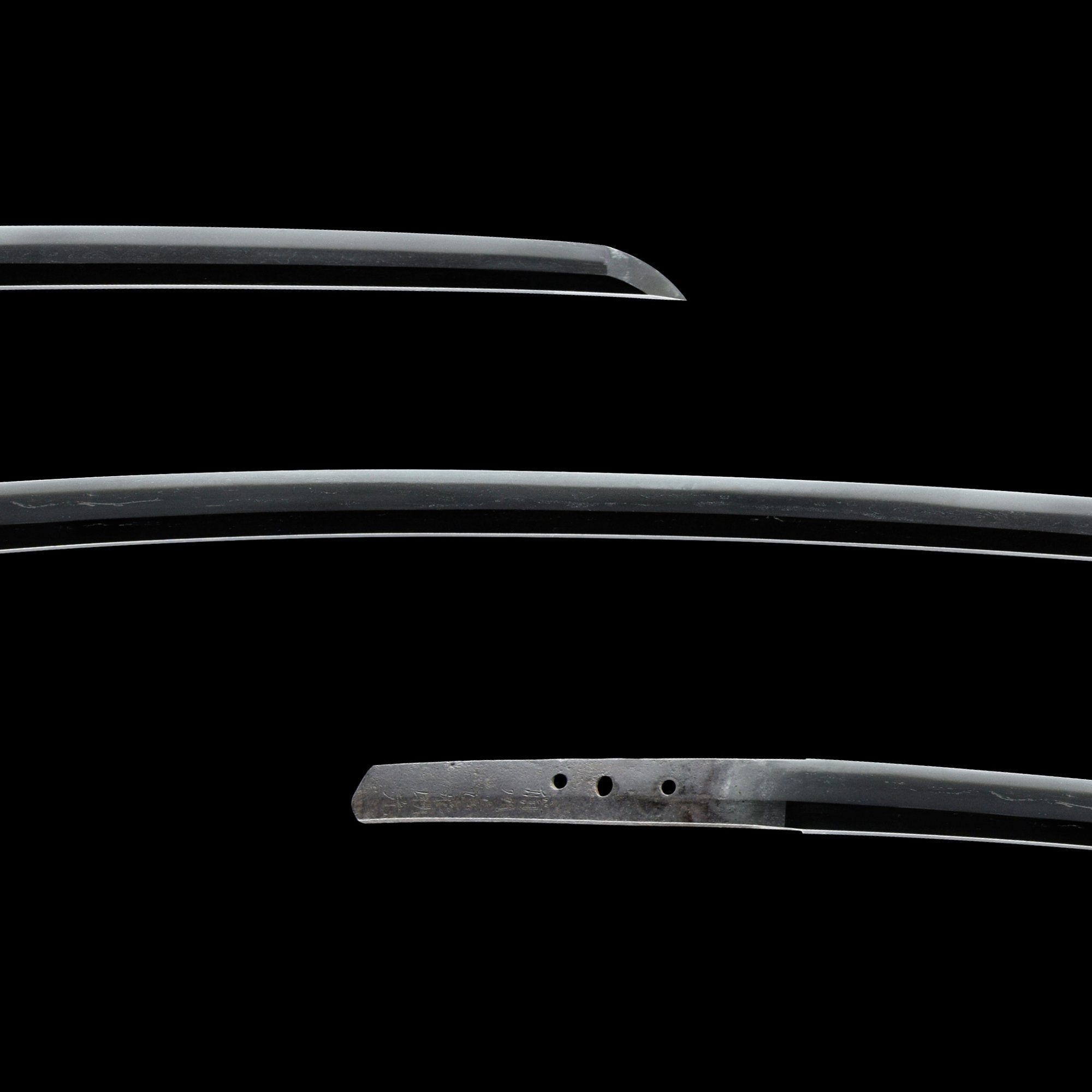
For enthusiasts in Australia, welcome to explore our Antique Nihontō collection. Experience the rich heritage and masterful artistry of traditional Japanese sword-making.
Nihontō 真刀剣



Japanese Sword FAQ
Samurai Swords, often known as Japanese swords (Japanese: 日本刀) or Nihont in Hepburn, are one of several traditionally manufactured swords from Japan.
In mediaeval Japan, the title "Samurai" was reserved for a select group of men who belonged to a privileged class. They were the military's governing class and ascended to the top of the Japanese hierarchy. These Samurai warriors used a variety of weaponry, including bows and arrows, firearms, and spears, but the sword served as their primary weapon and emblem.
Japanese swords come in a variety of styles that vary in size, form, function, and forging techniques. The Katana, Wakizashi, Tanto, Odachi, and Tachi swords are the five important types of samurai swords. Japanese swords have been created since the Kofun period (300-538 AD), although contemporary Japanese swords with curved blades did not appear until many centuries later in the Kamakura Period and the Edo Period.
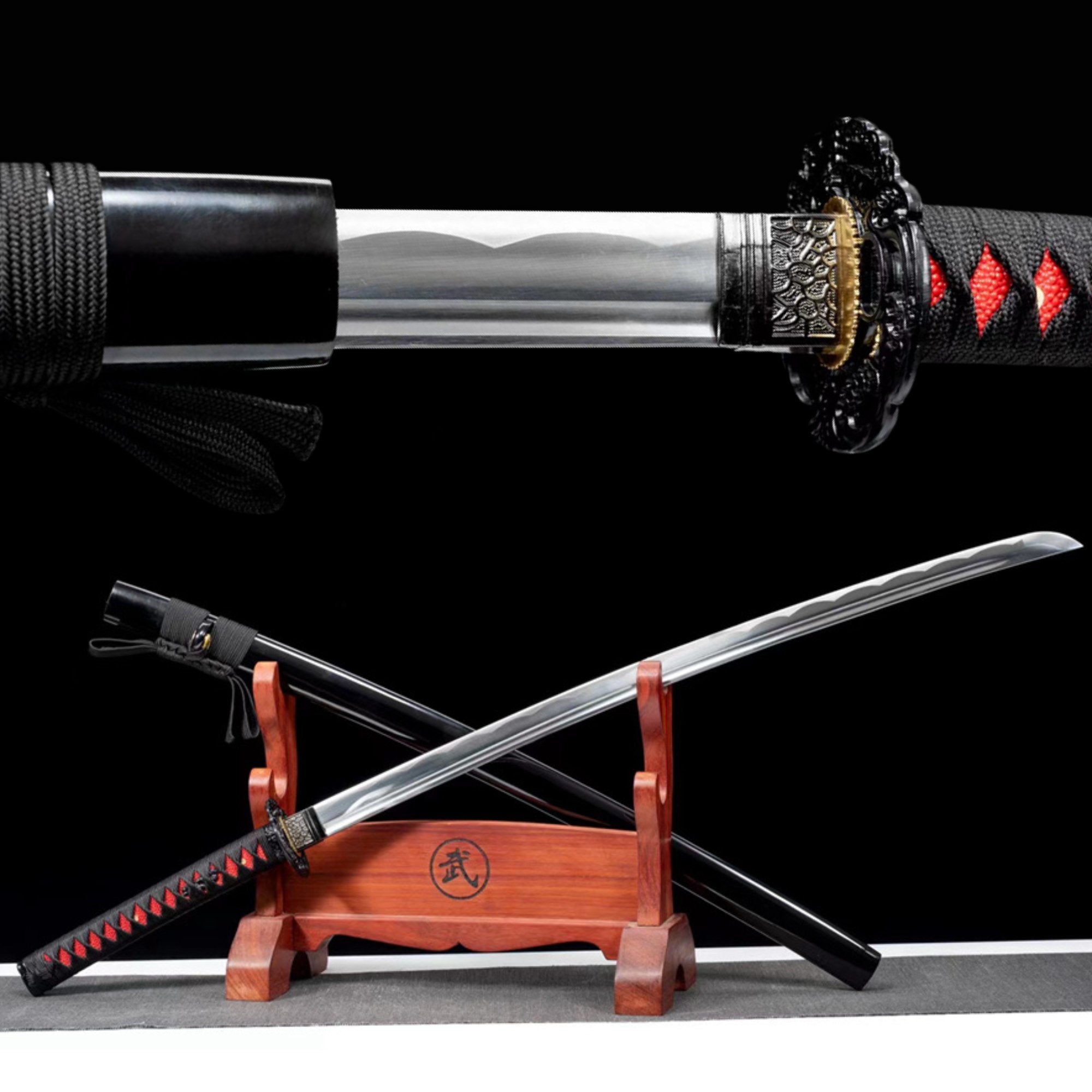
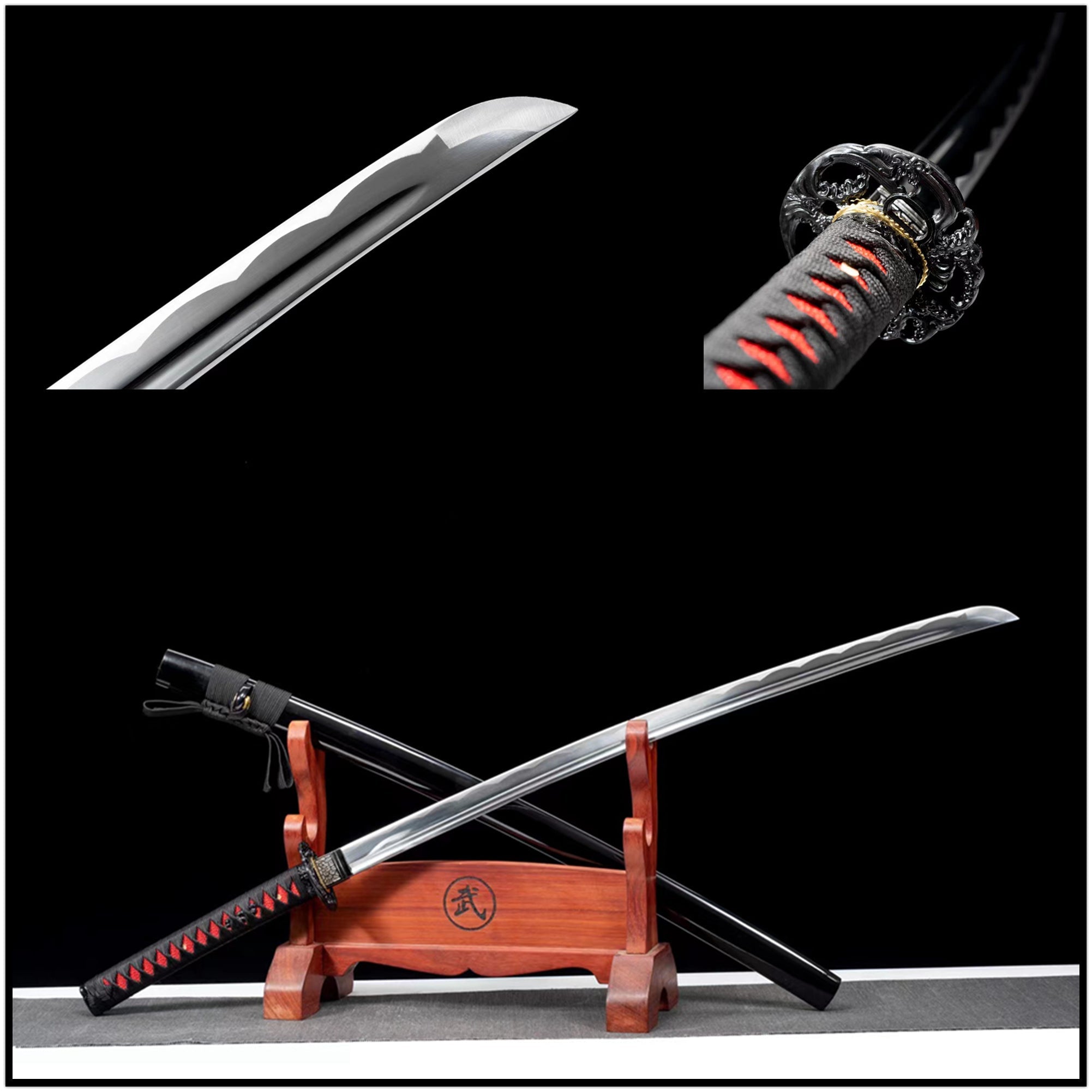
Katana is a Japanese sword characterized by a curved, single-edged blade with a circular or squared guard and a long grip to accommodate two hands. Katana was used by samurai in feudal Japan and worn with the blade facing upward. The official term for katana in Japan is uchigatana and the term katana often refers to single-edged swords from around the world.
A full tang Katana or Sword means a part of the blade that is left unsharpened and extends down almost the entire length of the Tsuka or handle, making the blade and the handle the same piece of metal.
It provides the sword with certain rigidity and makes the blade an excellent and lightweight piece in combat and training. Depending on the carbon concentration, a full tang blade may be made from various steel types. Japanese swords or Nihonto are great art pieces and are often full tang blades.
Tachi (太刀) is a traditionally crafted Japanese sword worn by feudal Japan's samurai elite. Compared to the katana and other Japanese swords, tachi often refers to a longer, more curved sword. Tachi was loosely hanging on the left waist, with its edge facing the ground instead of facing up, so samurai could draw it quickly to chop down warriors on the floor. Authentic tachi must be hung on a leather device or two hangers to ensure it lies flat against the body.
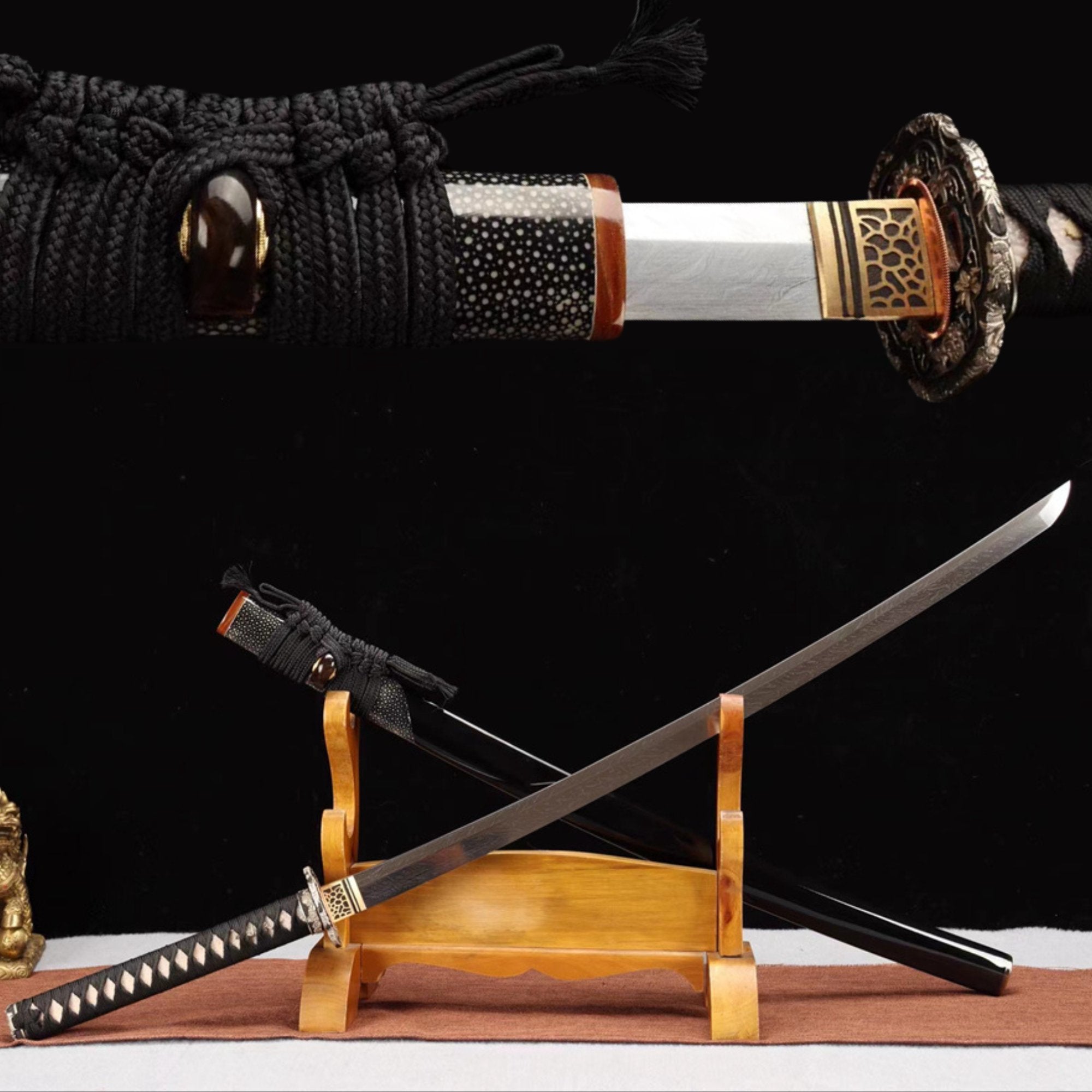
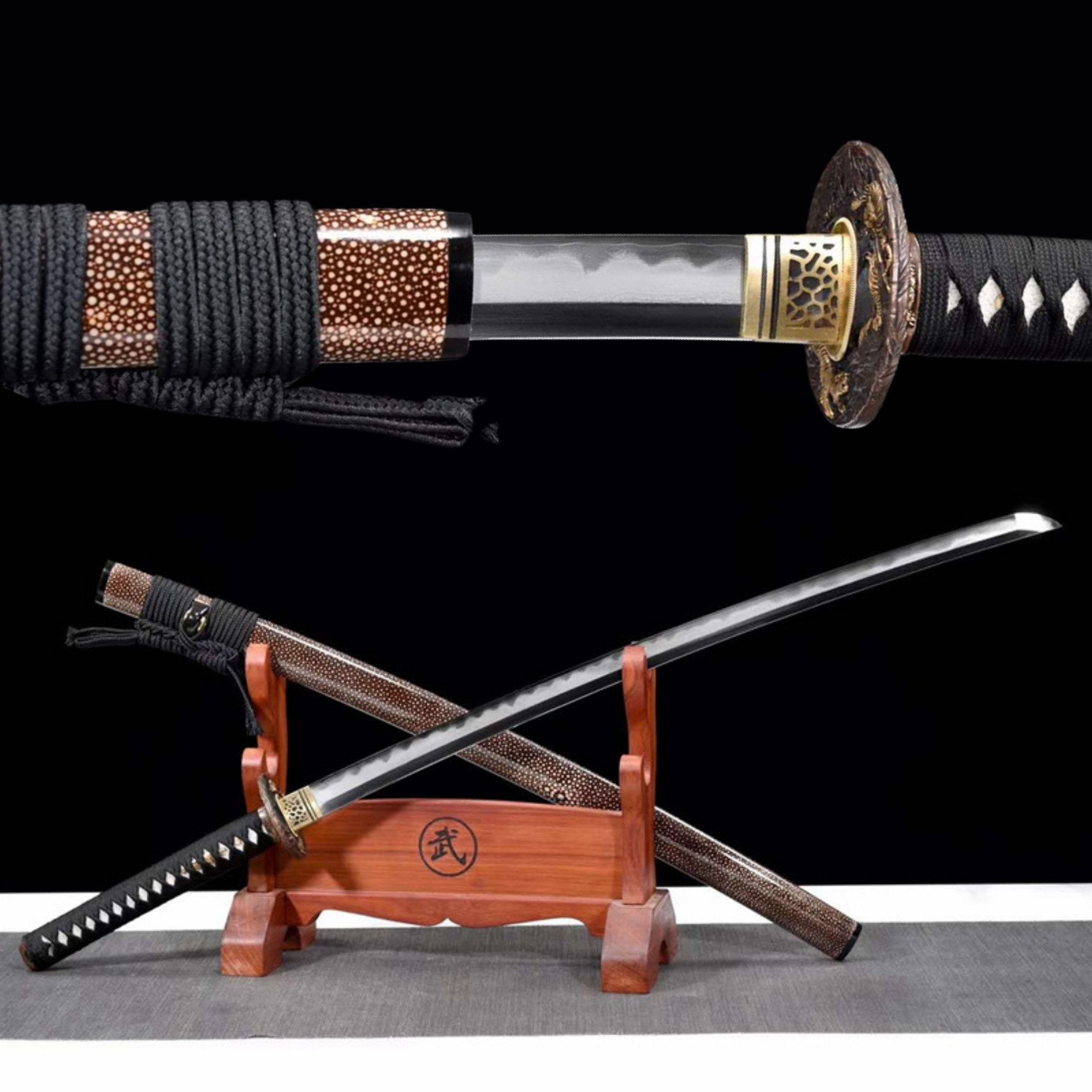
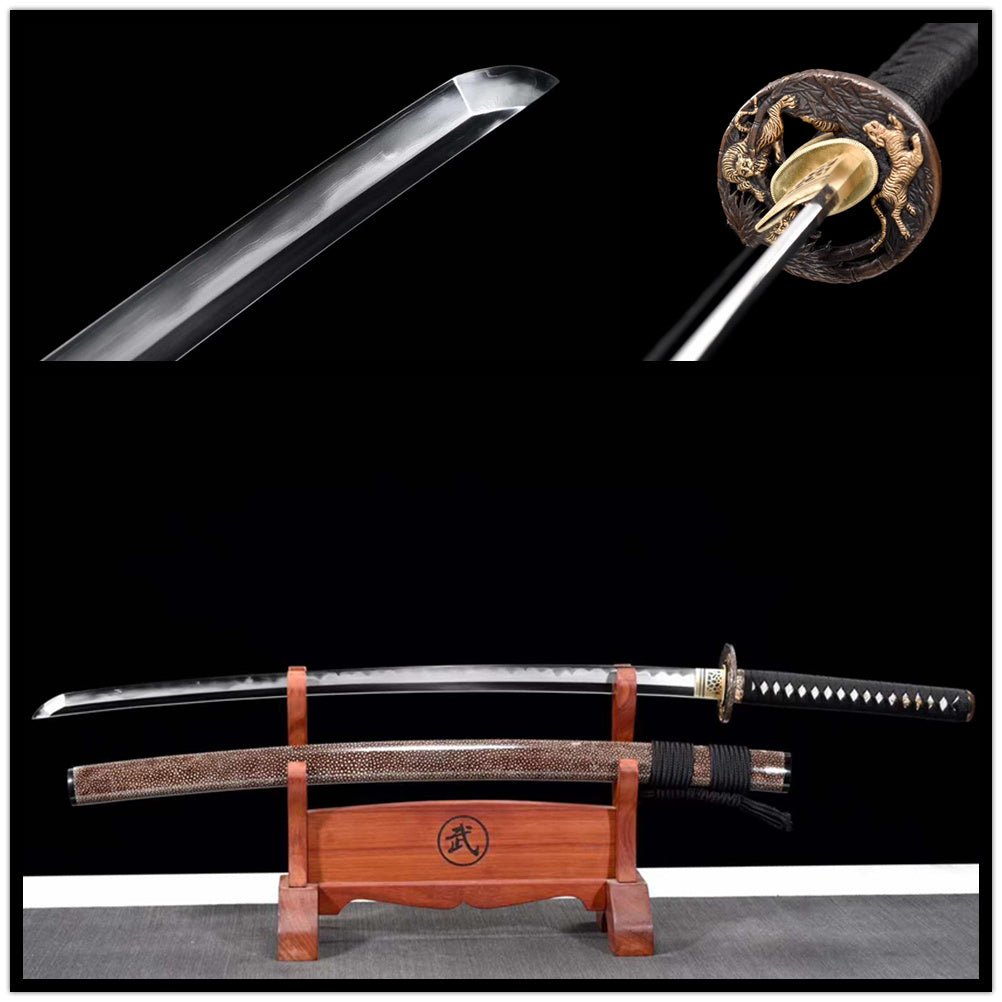
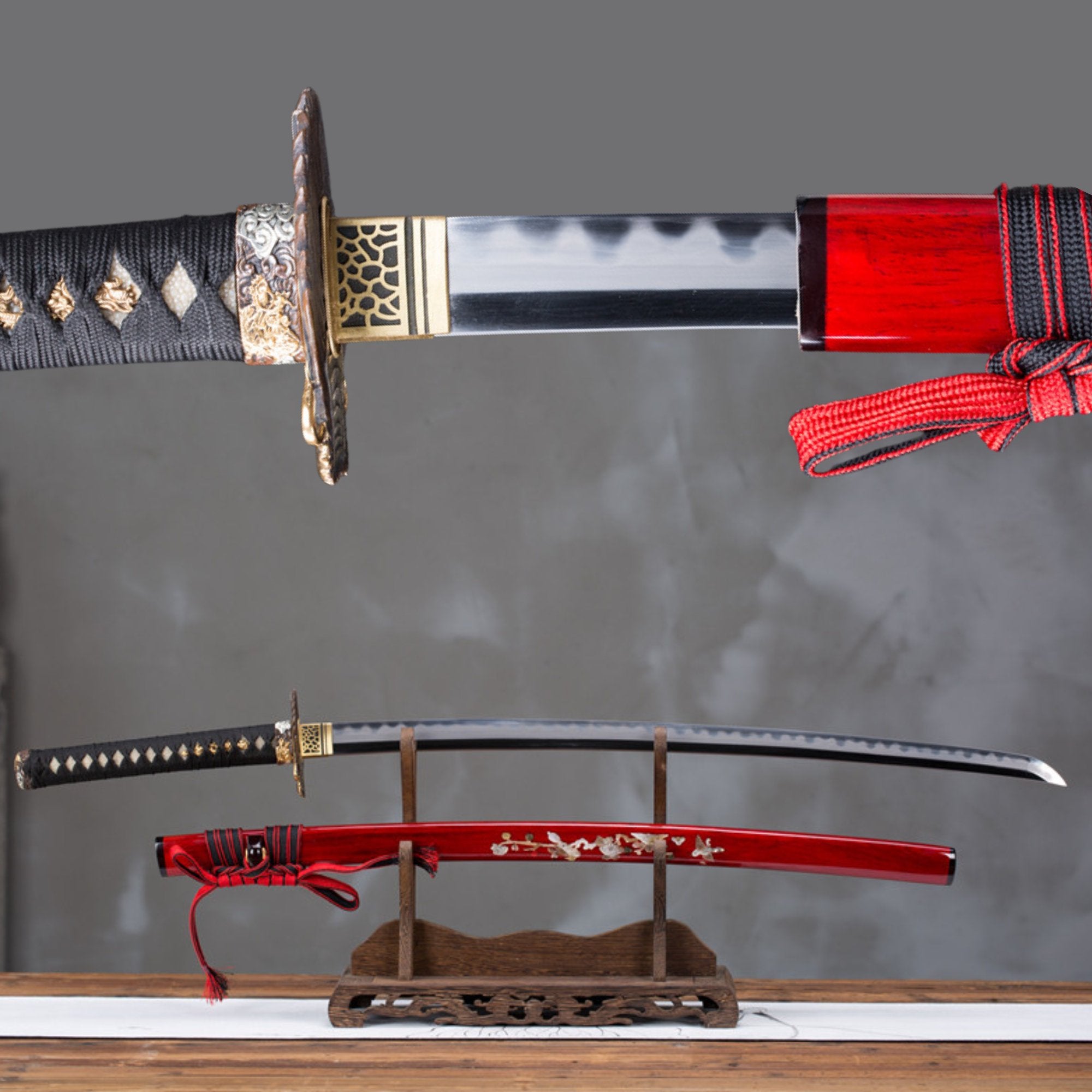
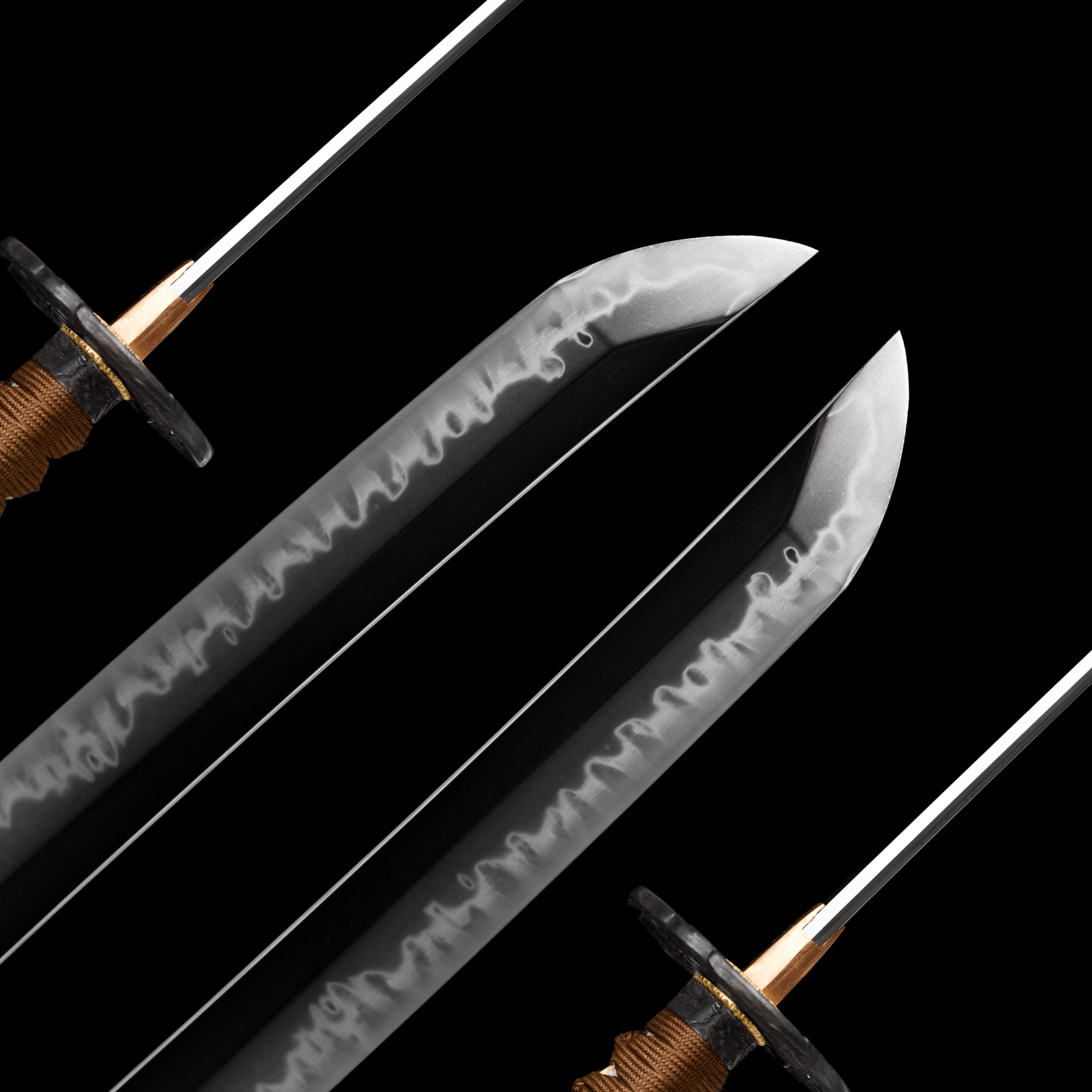
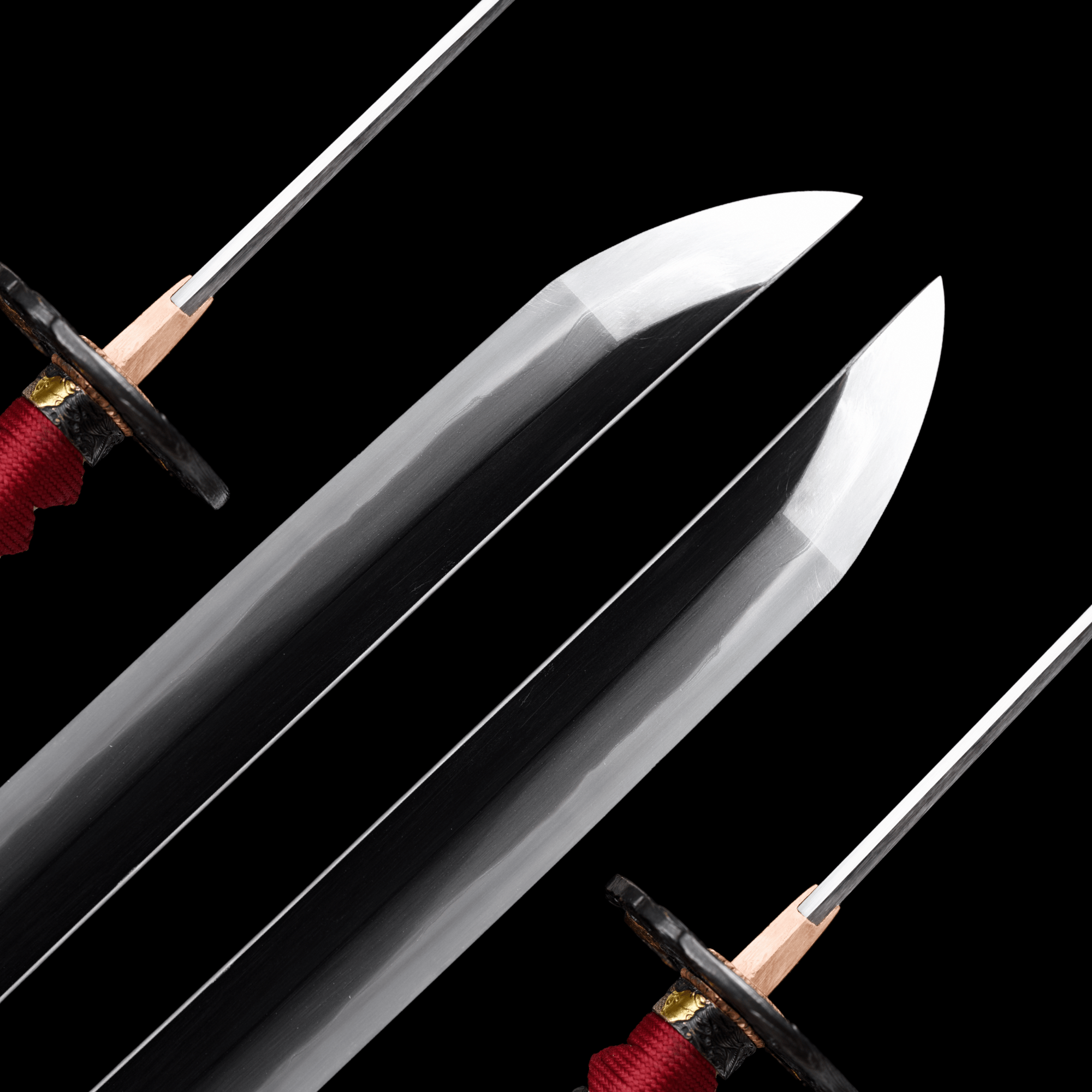
Clay Tempered Katana are swords created using a specific blade reinforcement procedure, one of the most complex arts in sword-making techniques and the pinnacle of Japanese sword design.
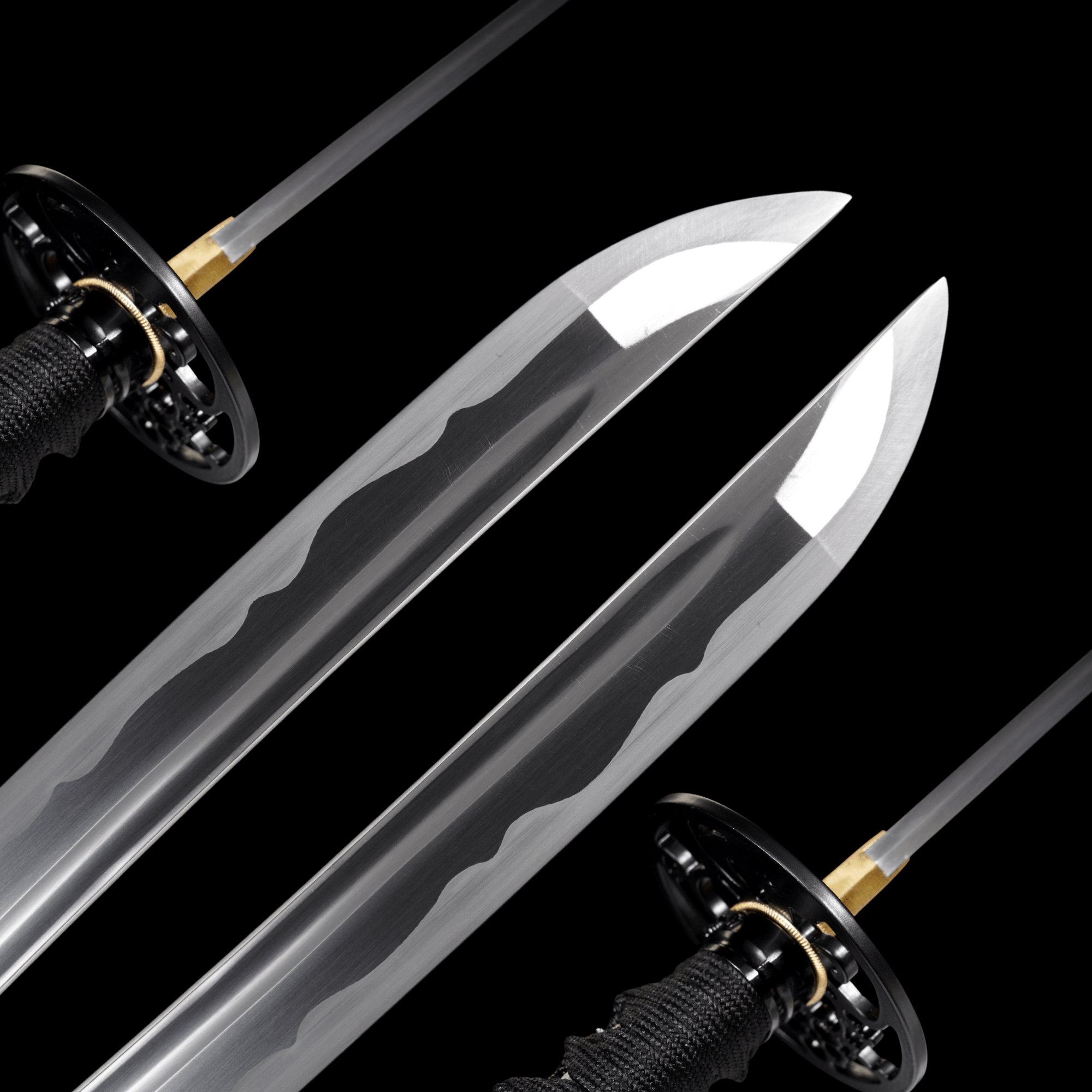
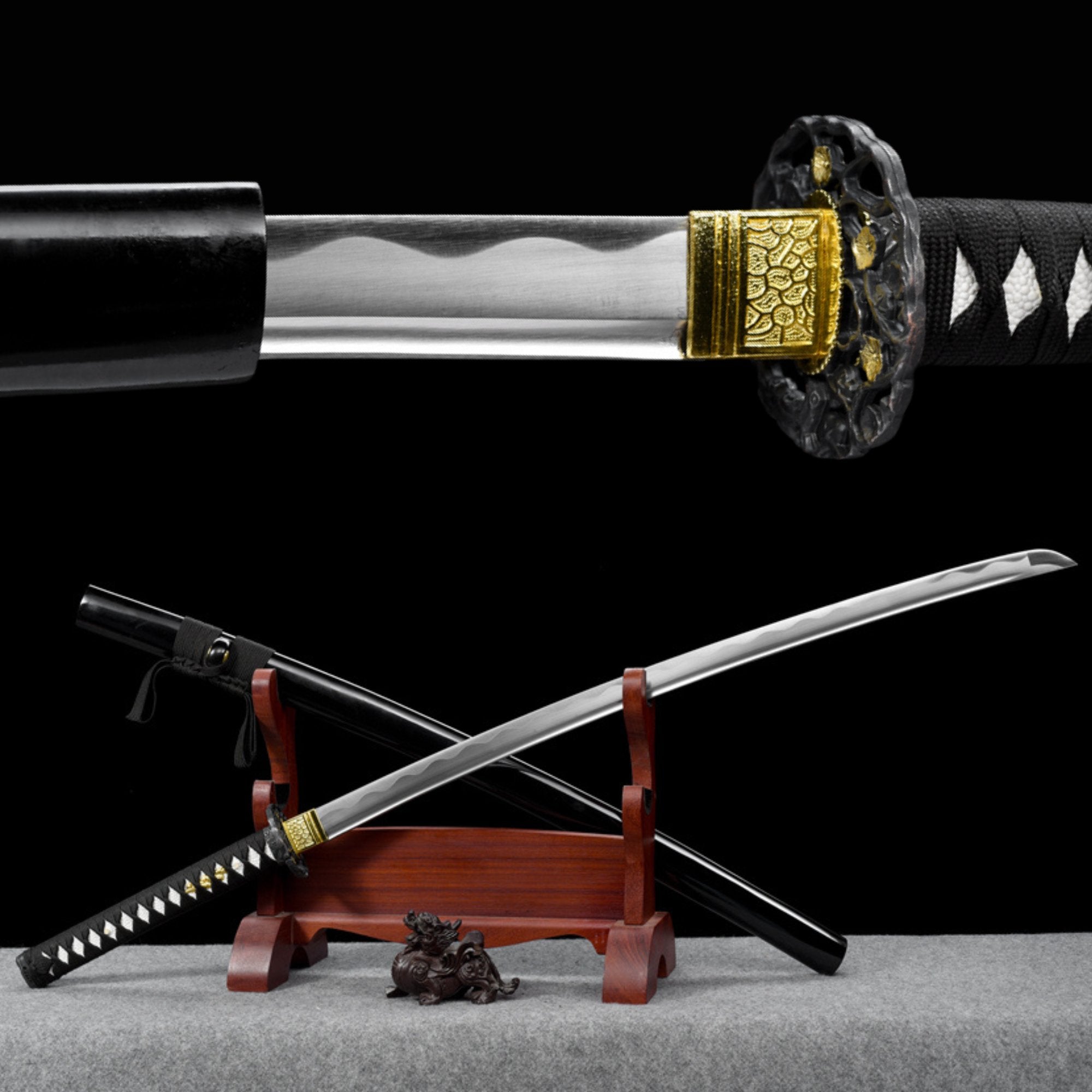
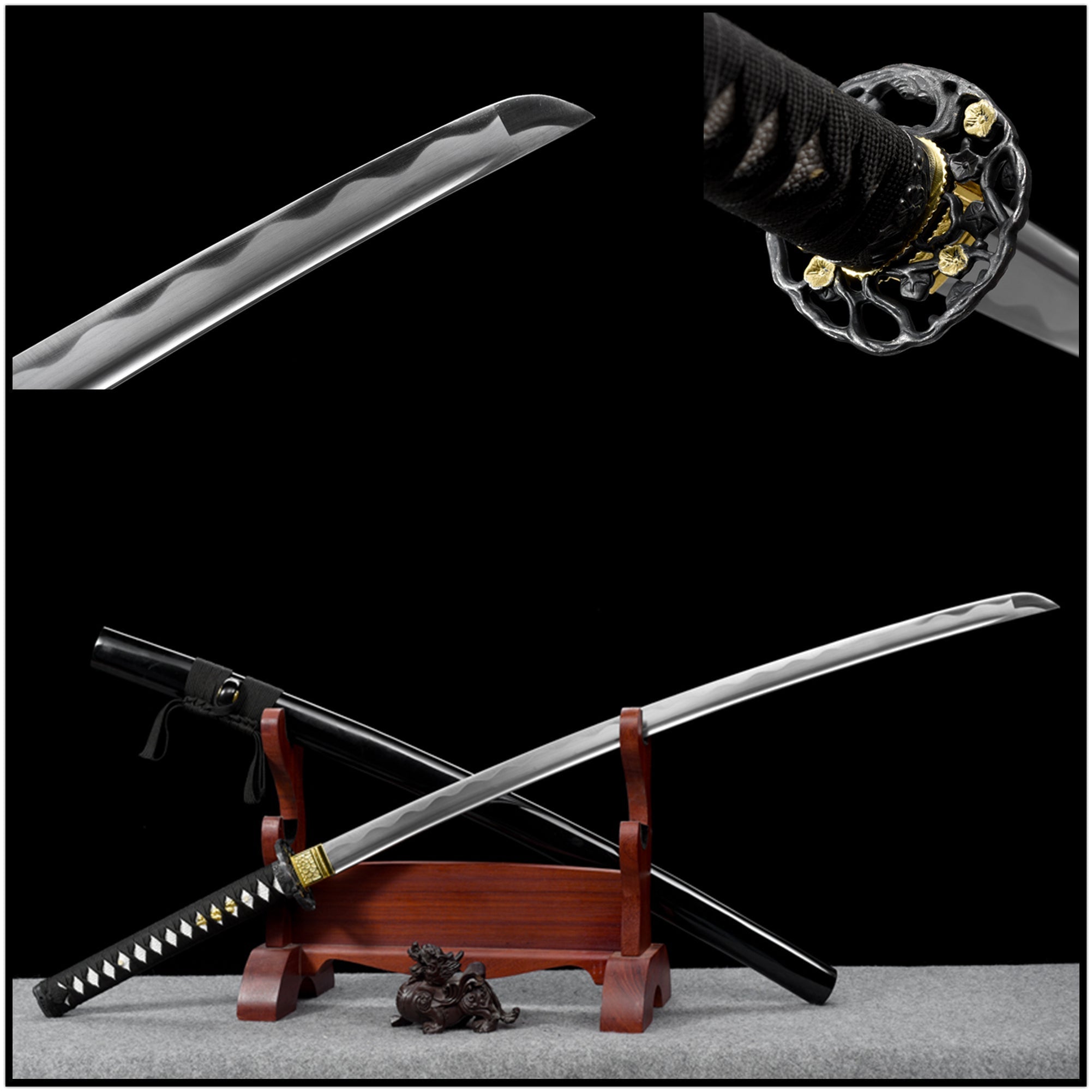
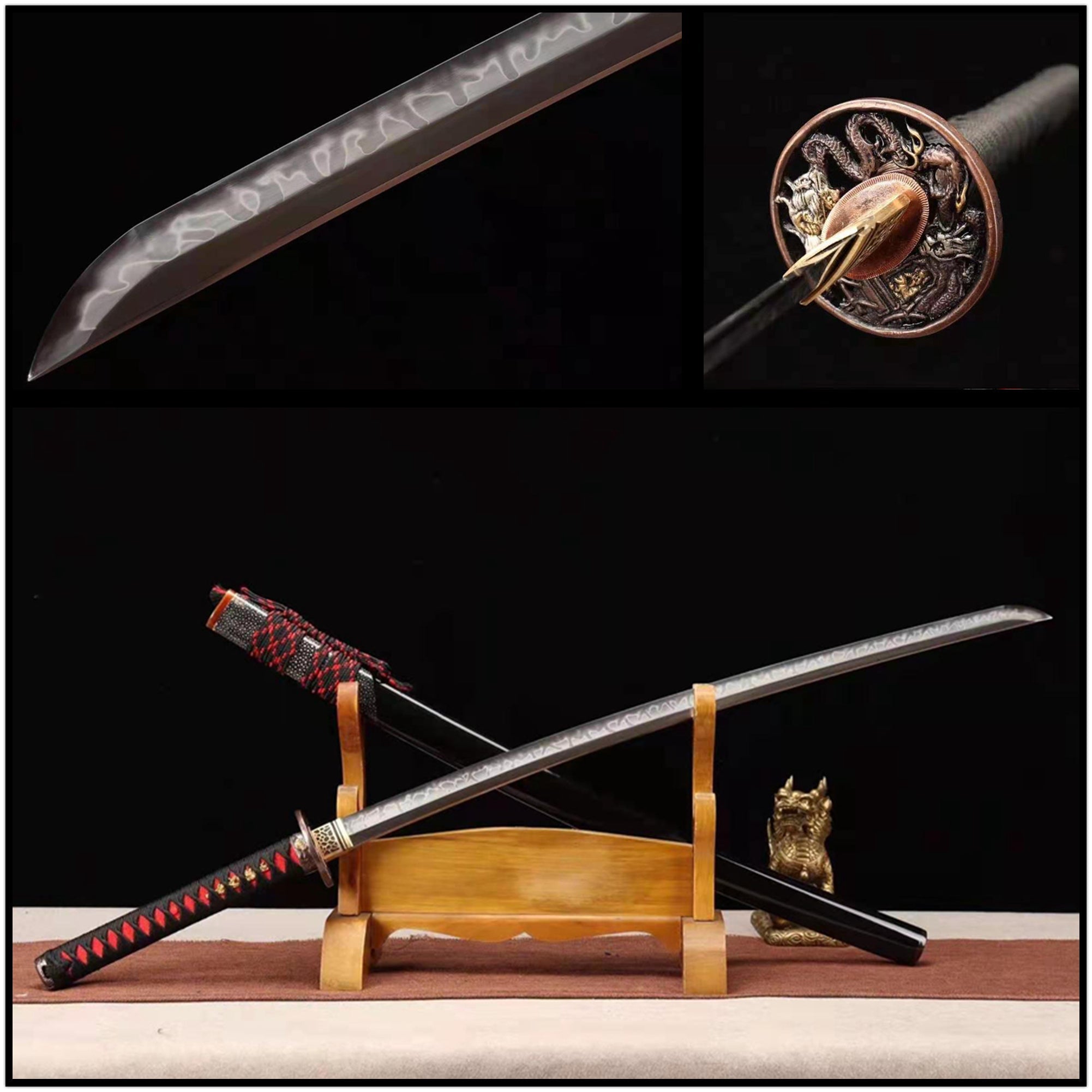
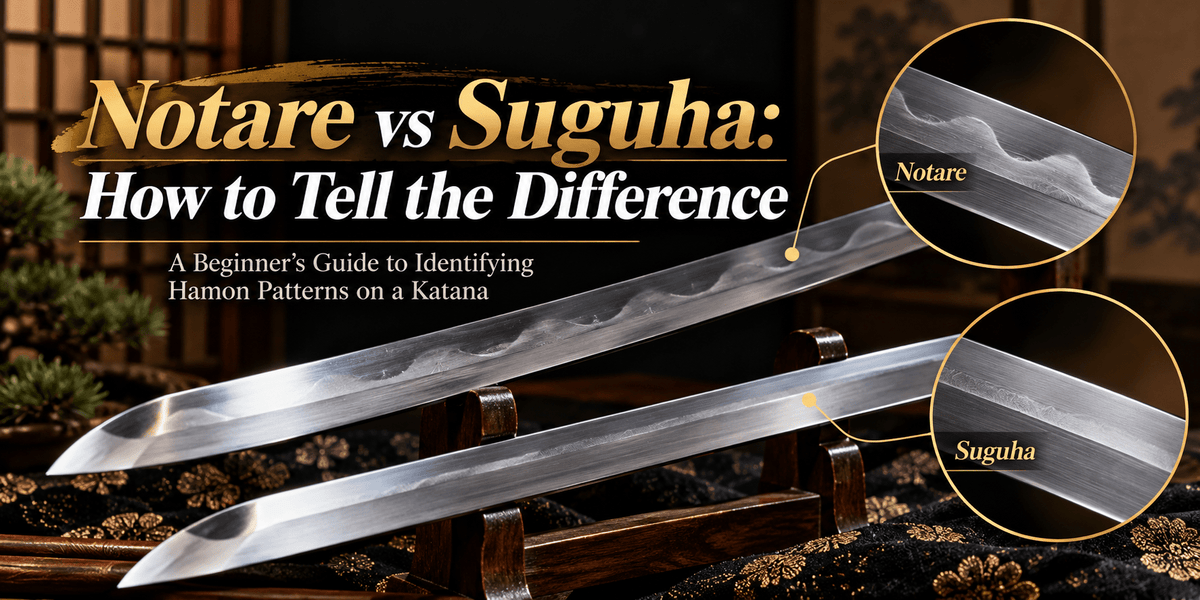
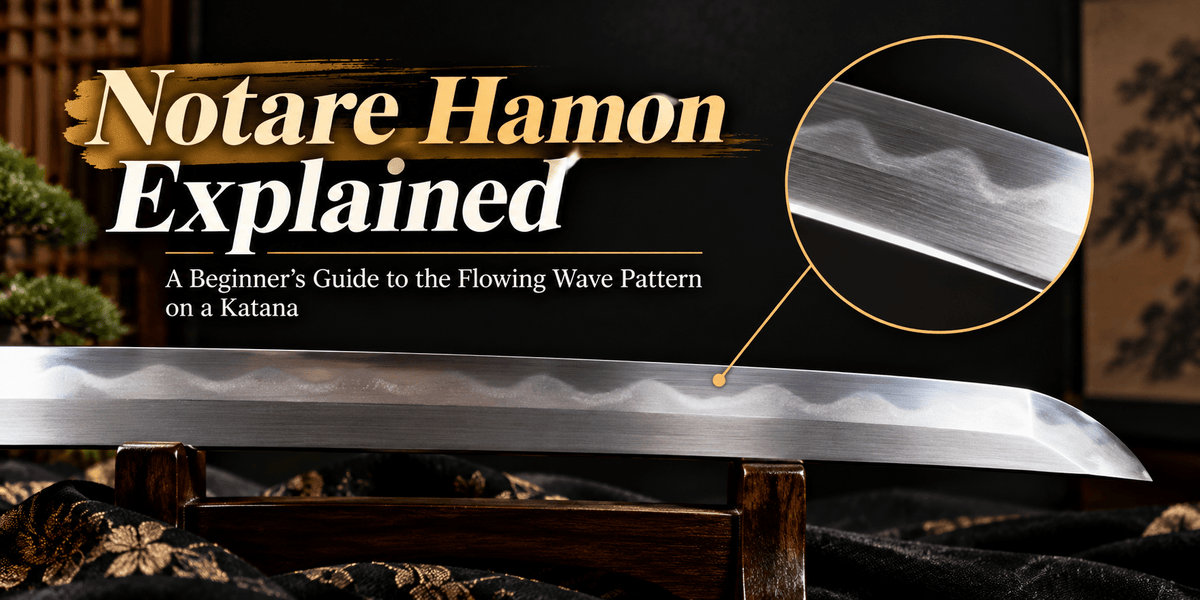
Clay tempering is so named because the swordsmith will employ "clay" to insulate the blade's spine. Although each swordsmith has a unique list of secret ingredients, they often consist of clay, water, stone powder, rust, and maybe some ash. A thin clay coating is carefully applied along the cutting edge, while a thicker layer is applied to the body and spine. A pattern will be drawn in the clay, often appearing like an undulating wave flowing down the length of the blade. The differential hardening process allows the sword to acquire beautiful curves, and the heating-quenching process forms a distinctive natural temper line down the blade known as Hamon, which is typically observed as a frosted wavy line down the length of a polished sword blade.
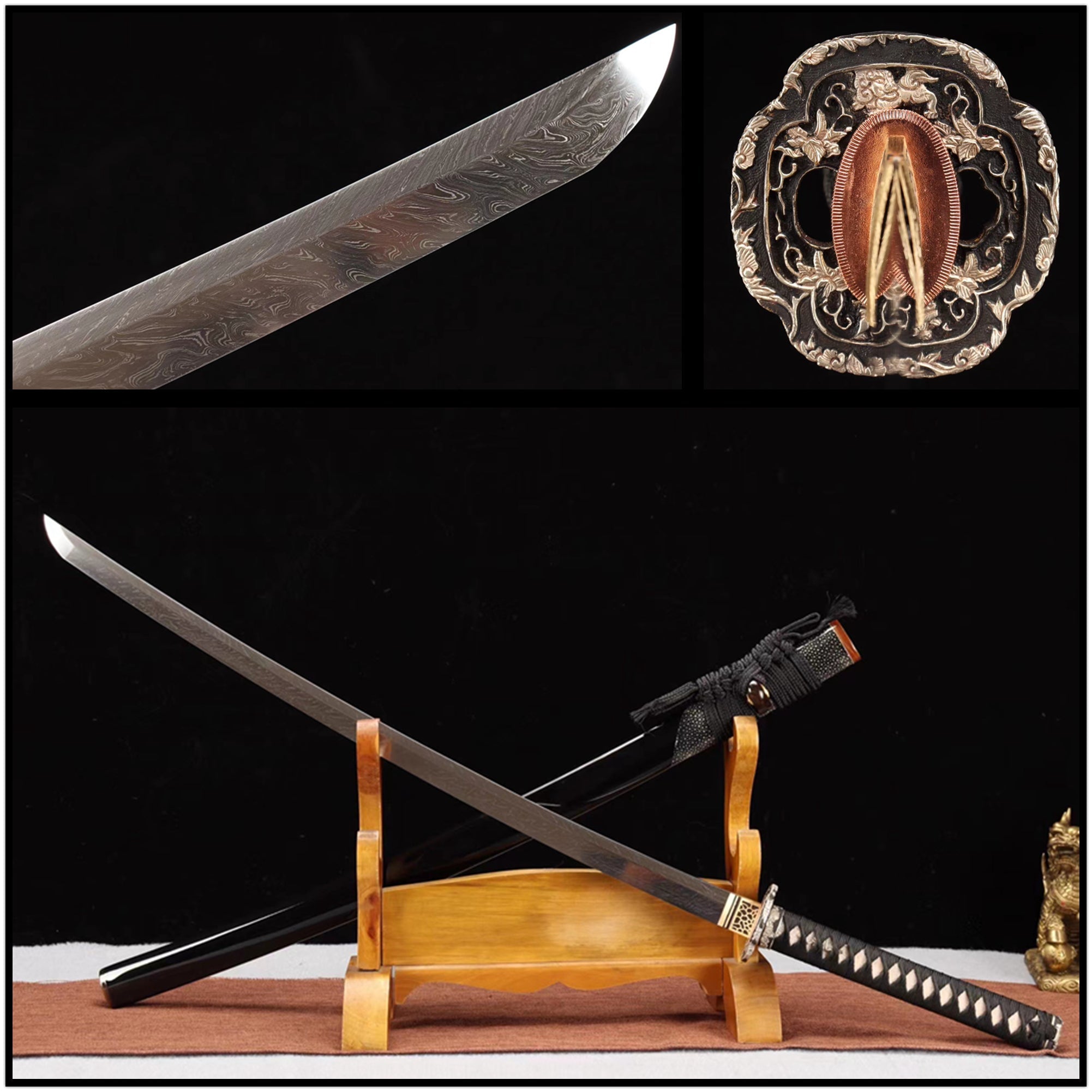
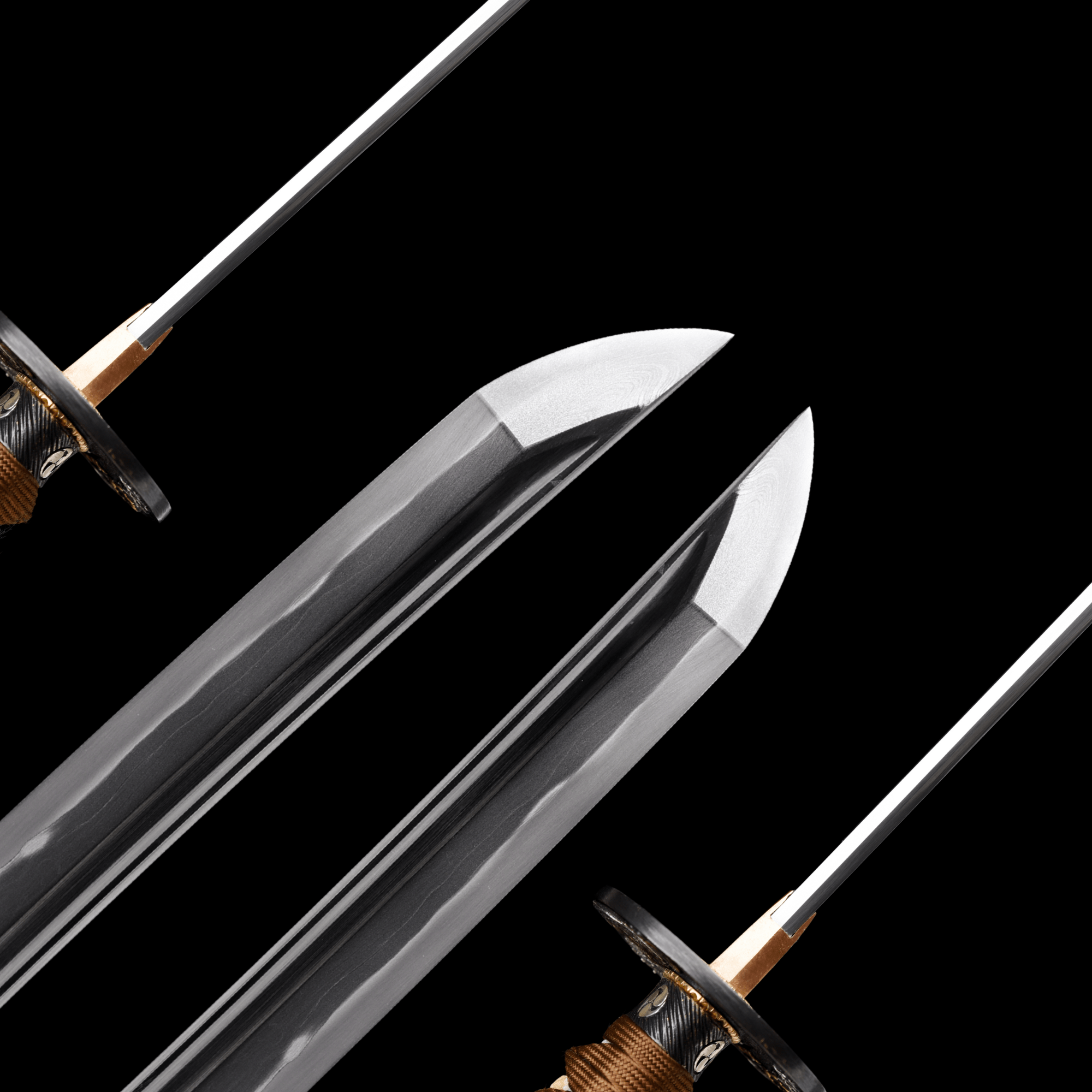
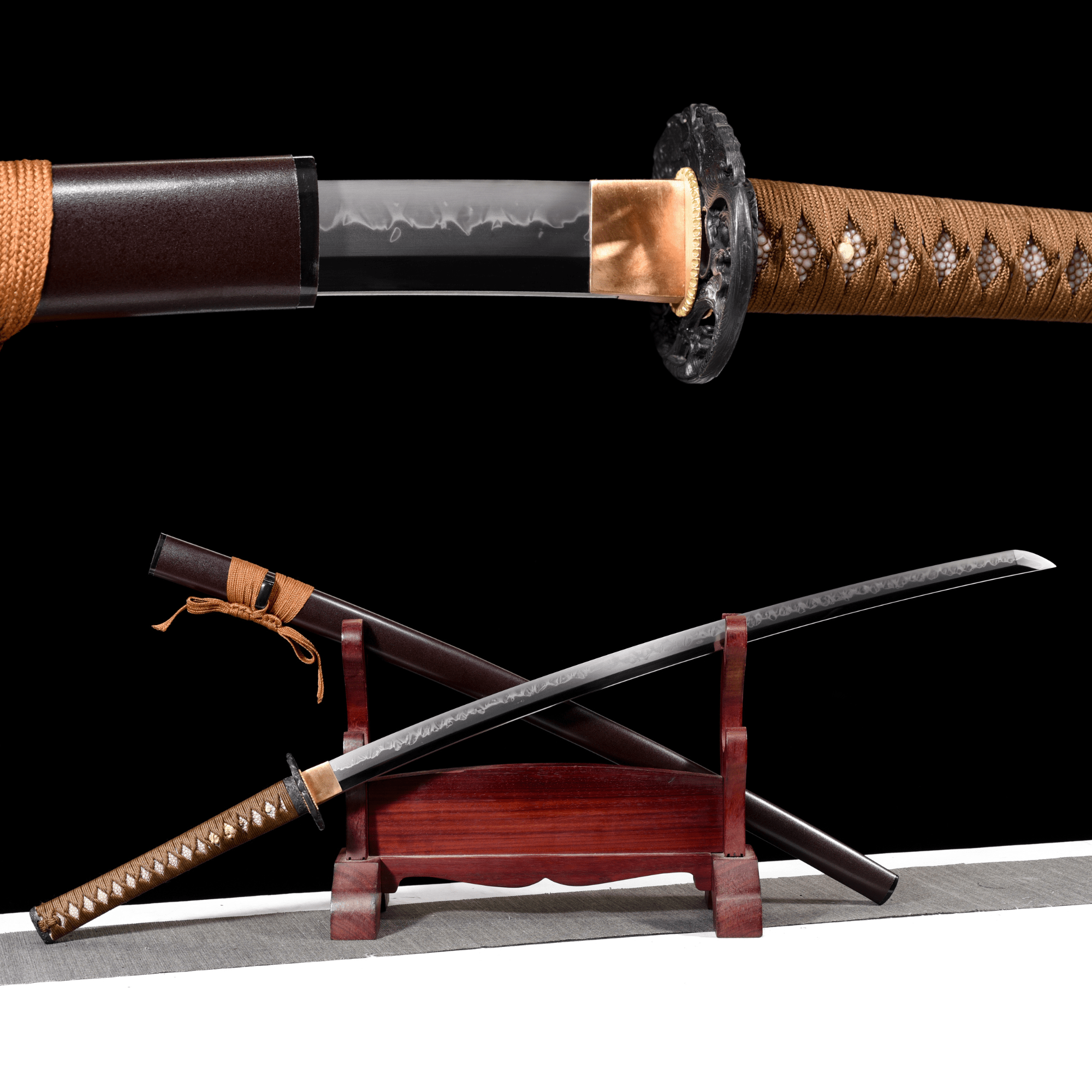
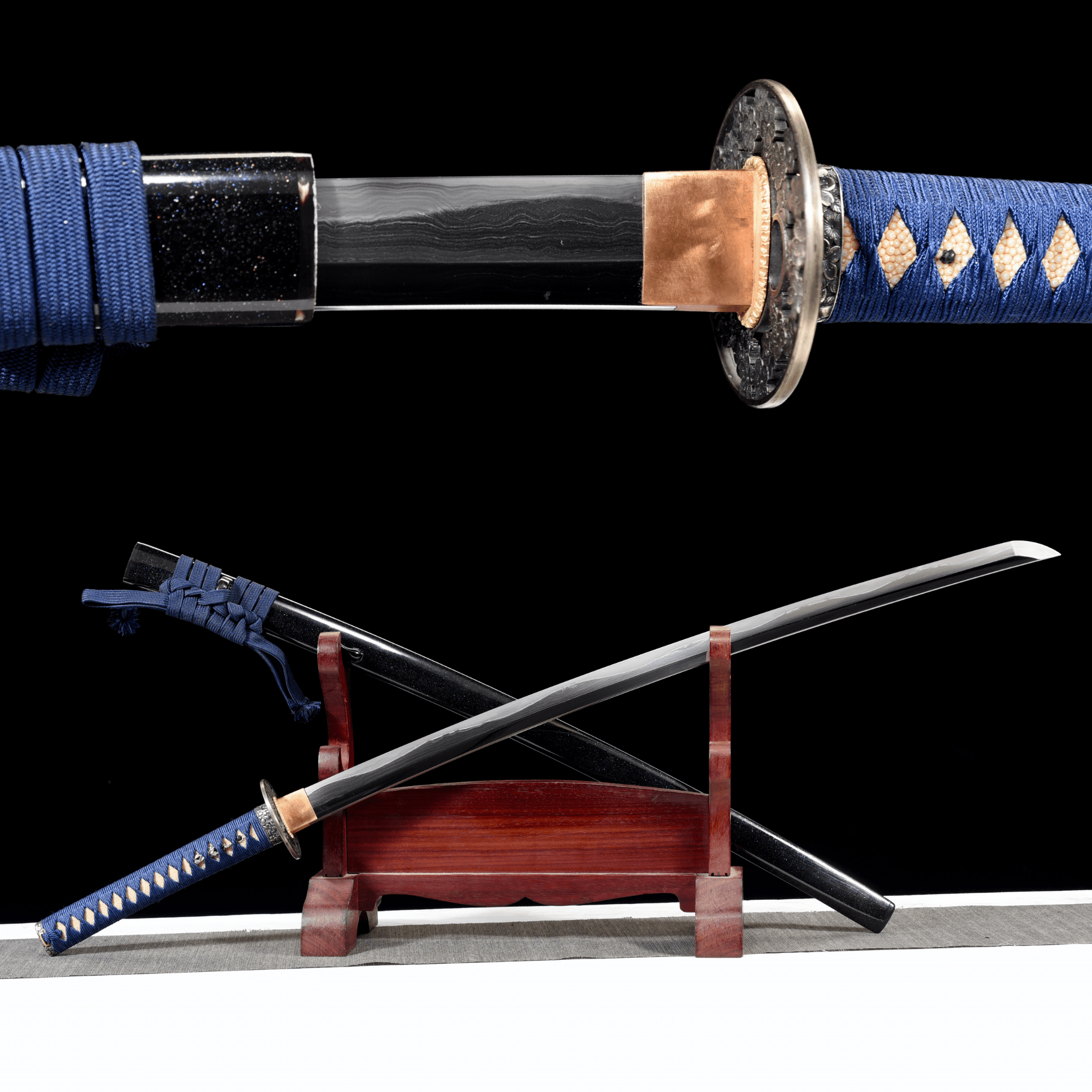
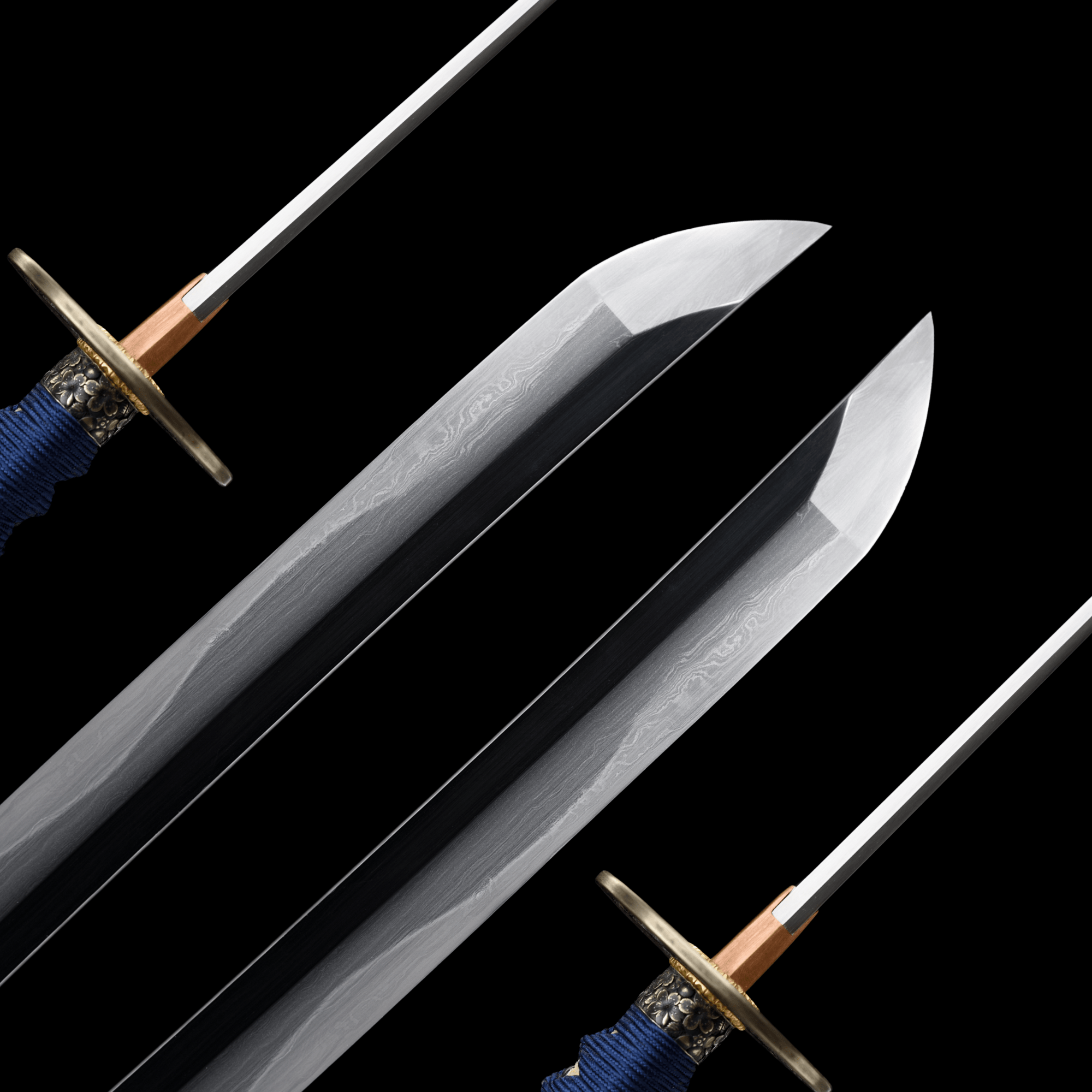
Folded Steel Katana is usually known as Damascus Steel Katana. Folded Steel Katana involves folding the steel repeatedly to remove impurities from the iron, resulting in a grain texture (Hada) on the blade and quality steel.
Modern steel is already of high quality, but the folding process is said to boost toughness and resistance, as well as the beauty of the blade due to the folded steel pattern, which makes it not just a piece of artwork but also a gorgeous present for a friend or loved one.
Wakizashi, a shorter and smaller "partner" sword to its katana counterpart, was worn on the left side, fastened to the waist sash (Uwa-obi or himo), with a curved, single-edged blade between 30 and 60 cm (12 and 24 in) in length.
On the other hand, Wakizashi Swords are not always a scaled-down replica of the katana; they may also be forged differently and have a different cross-section. Japanese bladesmiths usually made the wakizashi with a narrower cross-section to make it a sharper, more lethal weapon.
A tantō (短刀, "short sword") with a single or double edge and a length of roughly 30cm is one of the most revered Samurai swords in Japanese history, worn by feudal Japan's samurai class. The tantō was designed in the Heian period. Some tantō have exceptionally thick cross-sections, and Samurai primarily utilise it as a weapon to penetrate and pierce through enemy armour in close-quarter combat.
Our swordsmithing workshop is in Longquan, China, and our master swordsmiths all have over 15 years of experience in the art of swordsmithing. Longquan is a city in China with a rich history dating back over 2,600 years. Longquan swords are often hand-forged by skilled artisans who follow traditional techniques passed down through generations. They are primarily made from high-quality carbon steel, with a focus on achieving a balance between hardness and flexibility. The unique crafting process involves heating, folding, and shaping the metal to create a blade with a sharp edge and a distinctive, elegant curve. Longquan swords are treasured as collectibles and cultural artifacts, representing the rich heritage of martial arts and craftsmanship.
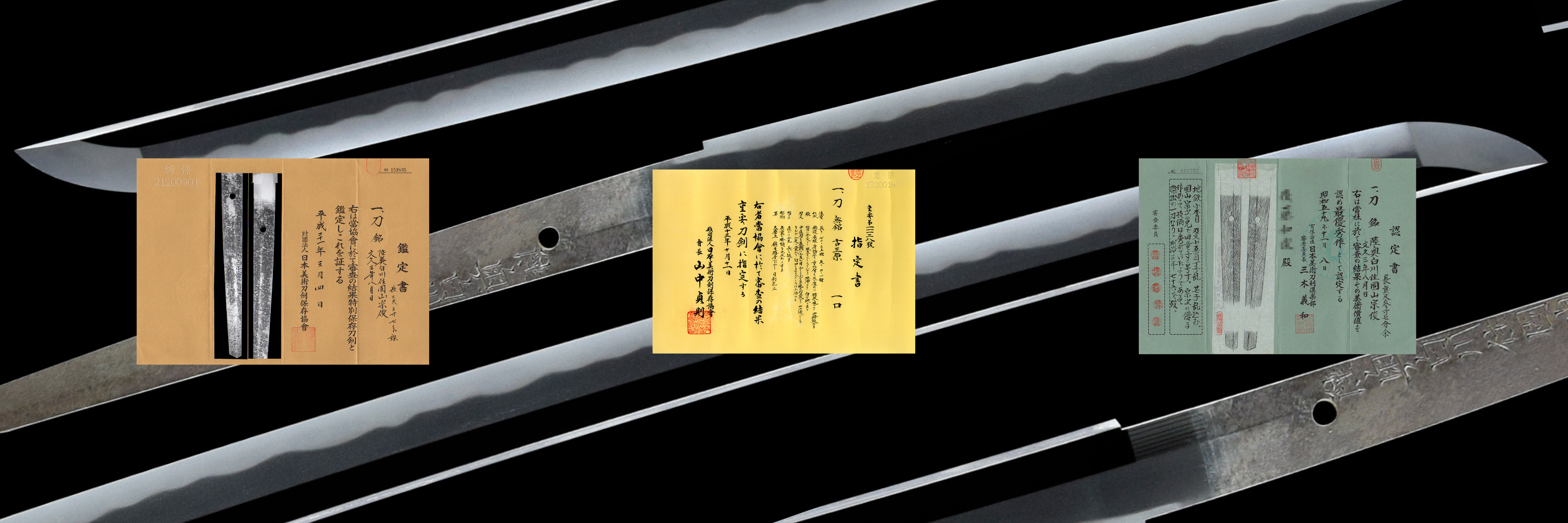
The legal framework surrounding the possession of such traditional swords can be complex, particularly in Japan. Japanese katanas with high collectible value often come with certificates, such as NBTHK certificates or NTHK certificates. At KatanaSwordArt, we collaborate with renowned Japanese "Token shops" (刀剣店) and swordsmiths (刀匠) to bring authentic katanas to our customers. Feel free to reach out for inquiries.
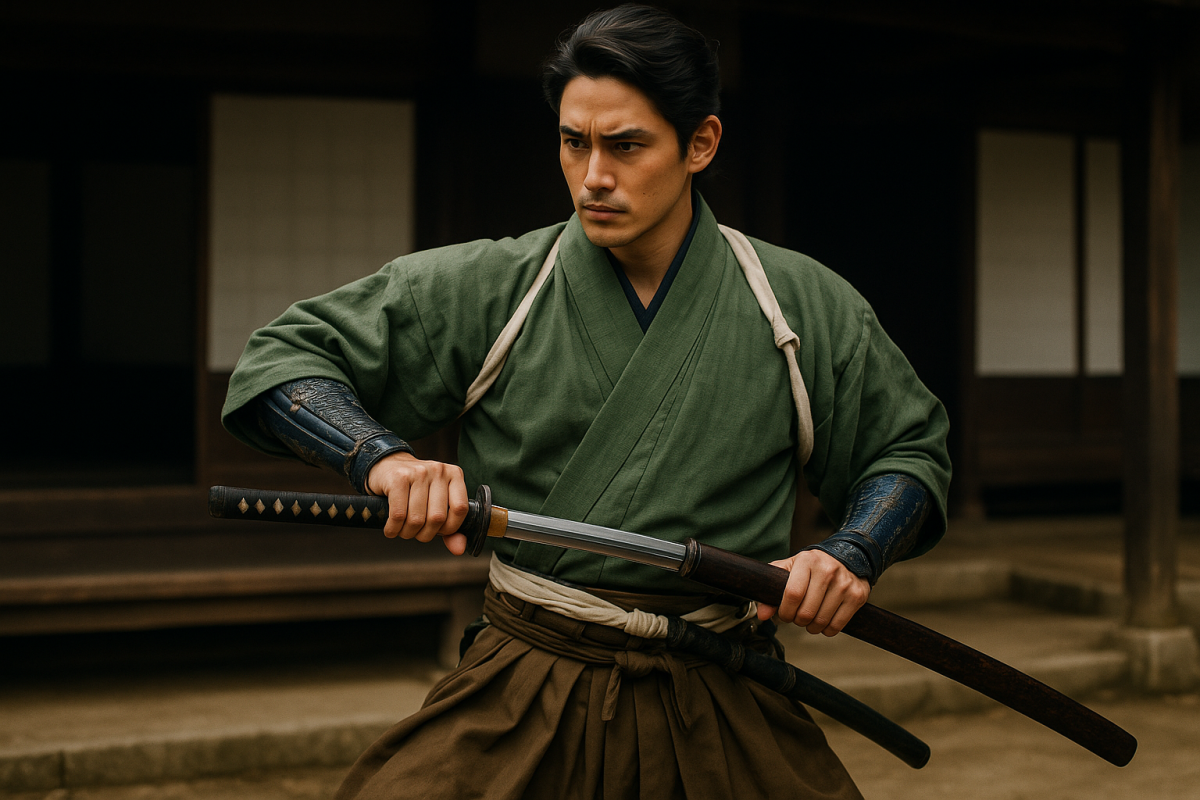
Katana was originally a samurai weapon, which was worn thrust through a belt-like sash (obi) with the sharpened edge facing up. Samurai could draw the sword and cut the enemy in a single motion, the quicker reaction in combat the better, which increased the popularity of the Katana among samurai in Japan.
Thanks to Japanese movies and anime like Demon Slayer, Akame ga Kill, Naruto, Blue Exorcist, Gintama, Samurai Champloo, Rurouni Kenshin, Bleach, Samurai Deeper Kyo, etc. The Japanese Katana sword has become increasingly famous with the re-acknowledgement of its value as a work of art.
Making a katana includes sever steps, such as preparation of raw materials, forging the raw steel into workable blocks, configuring the inner core structure of a sword, drawing out the steel block to the blade length, heating and hammering to make the final shape of the sword, straightening and flattening the blade, applying clay and heating to create the Hamon on the blade, correcting warps and bends, carving grooves and engravings.
Firstly, heat the clay-coated katana blade in the furnace and plunge the glowing red blade into a cold pool of quenching liquid (either water or oil). Through rapid heating and quenching, the spine and cutting-edge cool at different rates, making the cutting edge extremely hard and the spine durable and flexible. If the blade survives, it will become a live blade, and Swordsmith will do hand polishing. Through polishing, you can see the difference between hard and soft metal since there is a visible temper line on the blade, also known as the Hamon.
Traditionally, Maru steels are made by using tamahagane as the raw material, Tamahagane is a type of steel made from iron sand, it's known for its high quality and is considered a premium steel. The iron sand is heated in a clay furnace. This process removes impurities and leaves high-carbon steel.
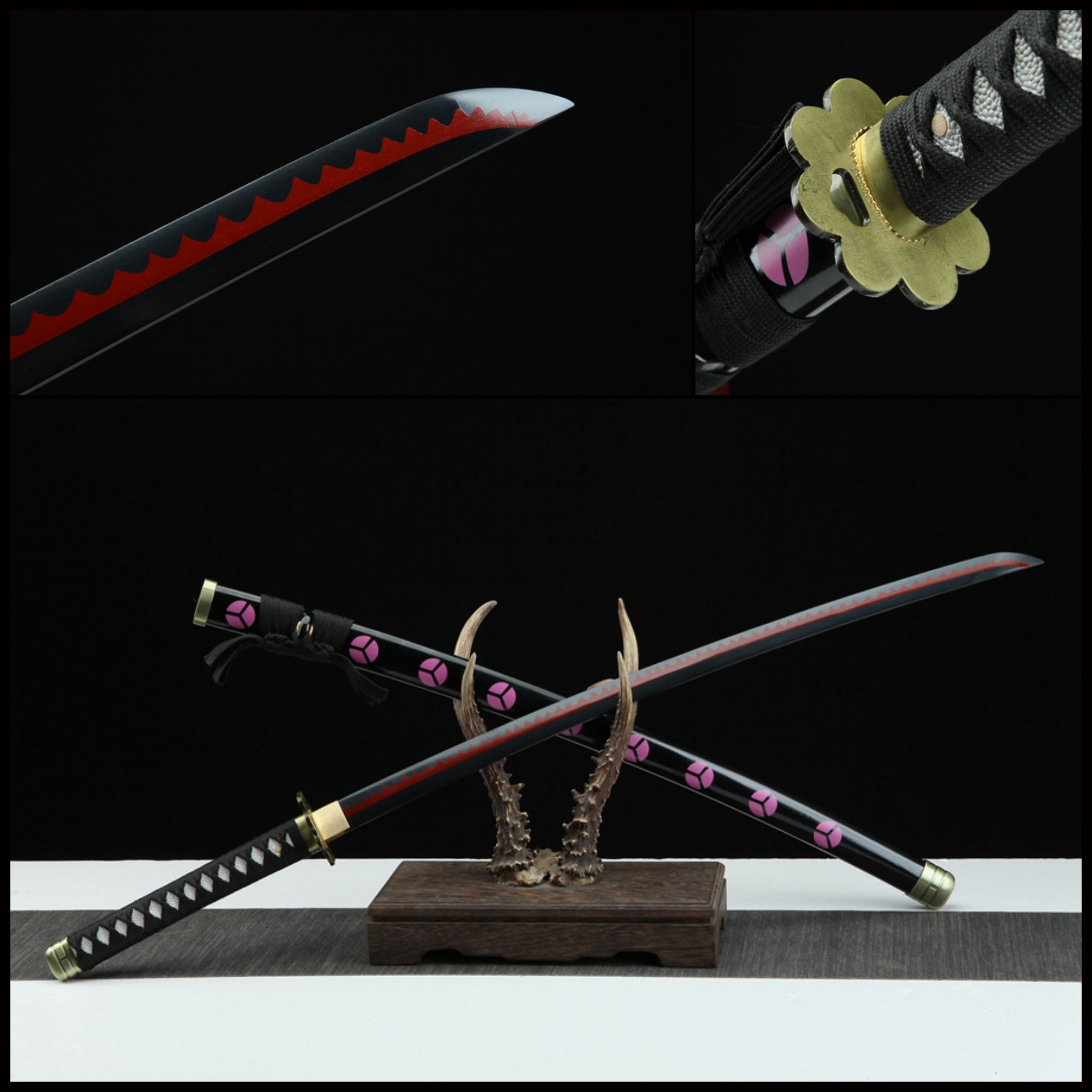
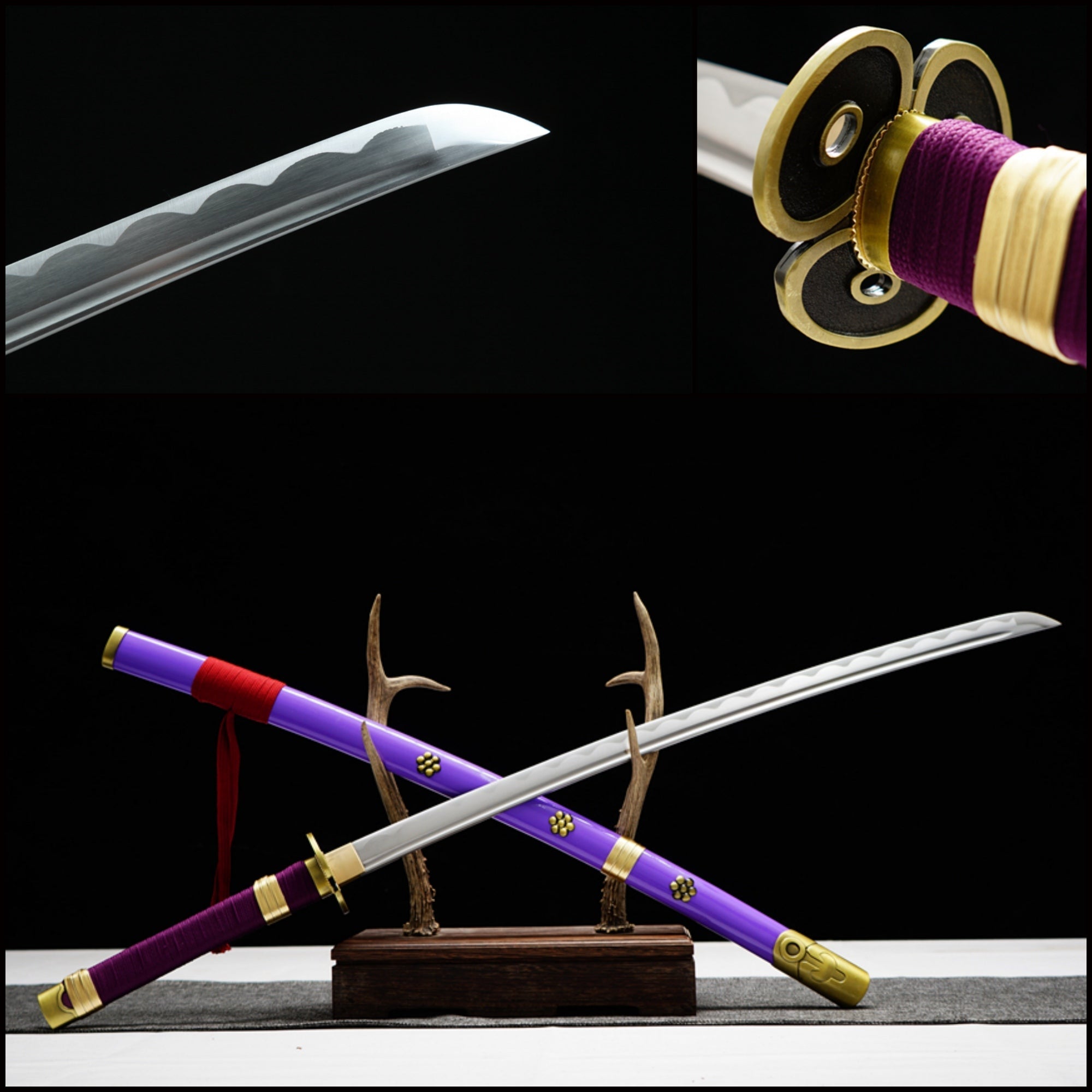
Anime katana refers to the depiction of traditional Japanese swords in anime, like Japanese animated television shows or films. Katana swords are often portrayed as powerful weapons wielded by characters in anime, manga, Japanese comics, and are often associated with samurai and ninja characters.
To maintain a katana blade and prevent rust, here are some steps you can follow: Keep the blade dry, Avoid touching the blade with bare hands, Use a rust inhibitor, Store the katana properly, Clean the blade regularly, Handle the blade with care.
Sword Shipping
Yes, we offer the Express Shipping service if you need the Katana to be dispatched urgently. The service areas include New South Wales, ACT, Queensland, Victoria, South Australia, Western Australia, Northern Territory and Tasmania. You can expect a quicker delivery if the destination is a capital city like Canberra, Sydney, Brisbane, Melbourne, Perth, Adelaide, Hobart and Darwin. The ETA is around 1-3 business days. For more information, please check Katana Express Shipping Page.
As a trustable sword store in Australia, we want you to order without risk and have a pleasant, stress-free sword-collecting experience. You're covered under our Safe Delivery Guarantee if you have a physical delivery address but didn't get your item. We'll make sure you either receive the item you ordered or get a refund.
Yes, we ship swords all over the world. Please Contact us for delivery times and Shipping costs.
KatanaSwordArt Store
Thanks to Google for rewarding us with a "Trusted Store" Badge. The "Trusted store" Badge is given to stores that Google determines provide a high-quality customer experience. For more information, please see our blog KatanaSwordArt is a Google Trusted Store.
Yes, we can engrave letters or names on the blade and tang of the katana to reflect your personalized elements. We also offer unsharpened katanas if you prefer. For simple engravings, we do not charge an extra fee. Please contact us for specific requirements.
To provide Australian samurai sword enthusiasts with the best possible prices, we have introduced our Price Guarantee policy. Have you found a better price in Australia? Please let us know, and if it falls within the scope of our Price Guarantee policy, we can match that price. Please note that this policy does not apply to international e-commerce platforms such as Amazon, eBay, etc.
Katana Buying Guide FAQ
For most first-time buyers who want a good balance of quality, craftsmanship, functionality, and price, we recommend starting with the KSA Sword Series.
KSA Sword is our own brand, with greater control over blade production, tsuka fitting, saya fitting, tsukamaki, assembly, and quality inspection. Depending on the model, KSA Shinken also include upgraded specifications such as better polishing, genuine rayskin, and authentic kissaki structure as standard.
If your main purpose is Tameshigiri or regular tatami cutting practice, we recommend the Performance Katana Collection.
This range includes practical steels such as 65Mn and 9260 spring steel, which are commonly valued for their toughness and impact resistance. These swords are designed more around practical use and value rather than complex decorative features.
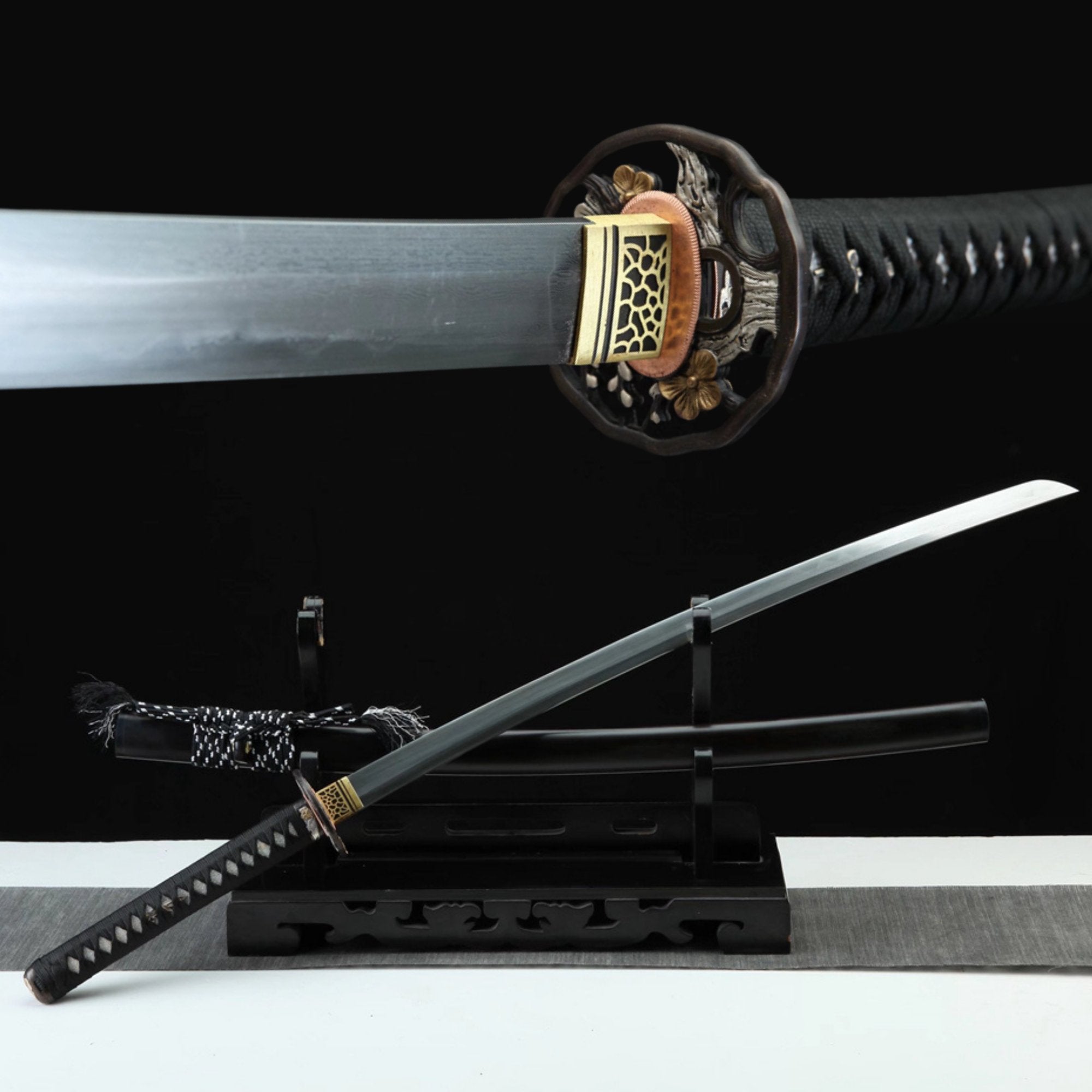
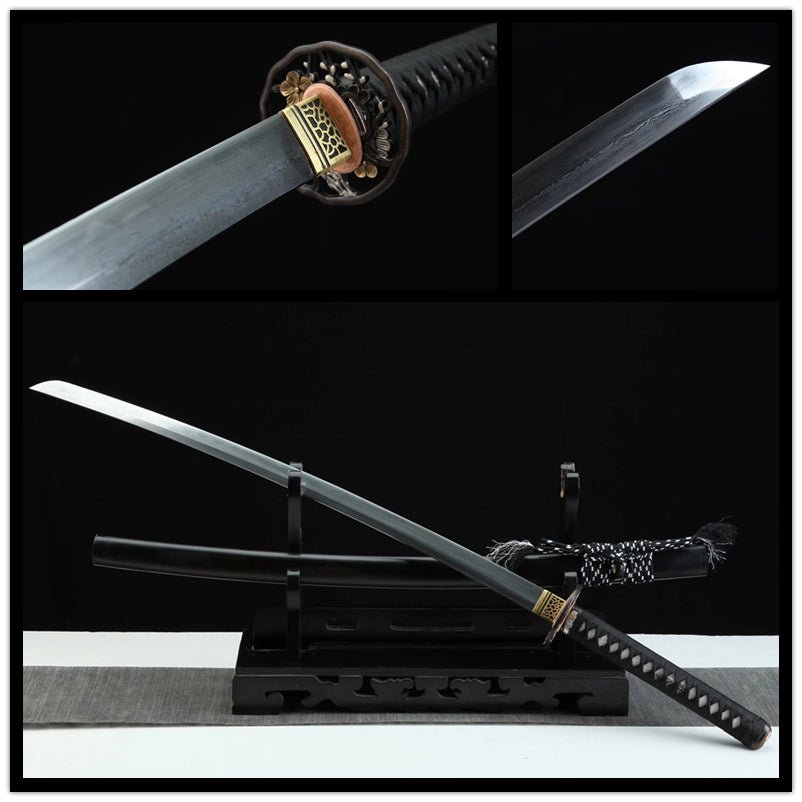
If Hamon, Hada, blade polishing, and traditional-style forging techniques are your main interests, we recommend the High-End Katana Collection.
Depending on the model, this collection may include genuine clay-tempered hamon such as Hitatsura, Chōji, Suguha, Notare, and Gunome, as well as more complex blade constructions such as Kobuse-zukuri and Sanmai-zukuri.
Not necessarily.
A more complex construction such as Kobuse or Sanmai can require additional forging work and may be more appealing to collectors who appreciate traditional-style blade construction.
However, a well-made Maru monosteel blade can still be an excellent choice for practical use.
The best construction depends on your intended use, budget, heat treatment, blade geometry, and the quality of the individual sword.
If your main interest is collecting and appreciating the blade itself, the High-End Katana Collection is usually the best place to start.
This range focuses more on distinctive hamon, visible hada, complex forging structures, and higher levels of blade craftsmanship.
For collectors who want something completely individual, a Custom Japanese Sword may be even more suitable.
Yes.
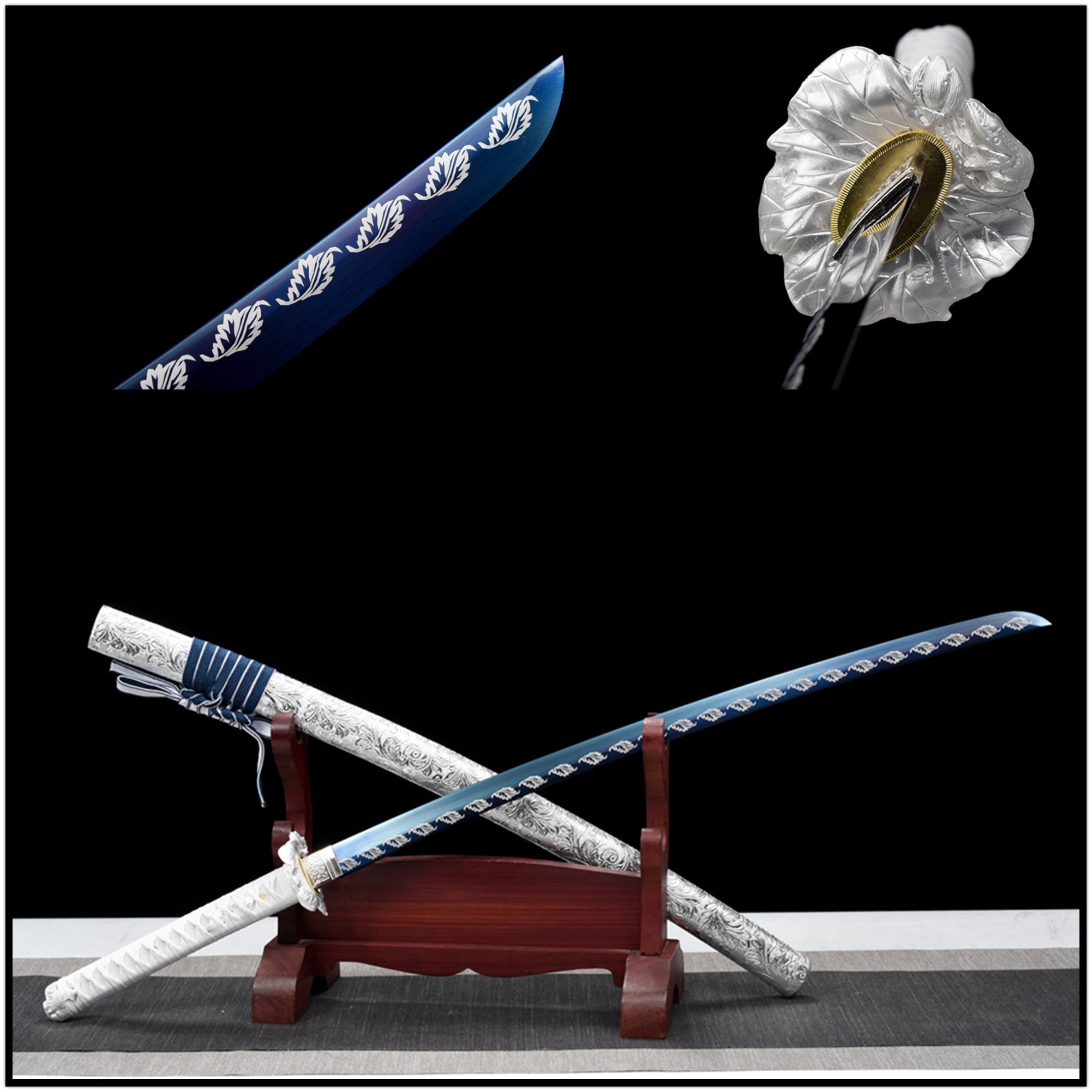
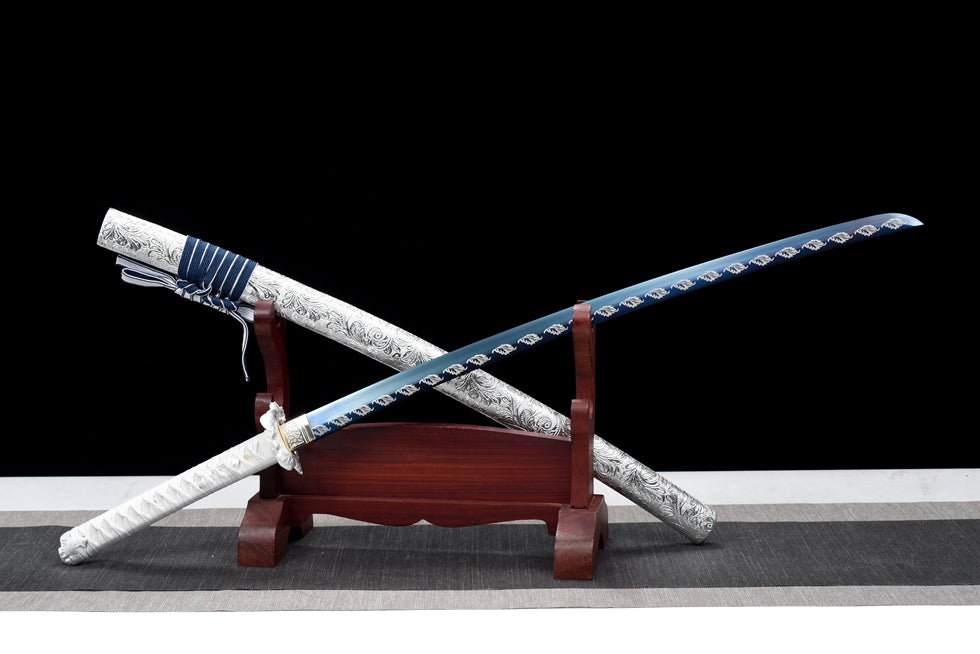
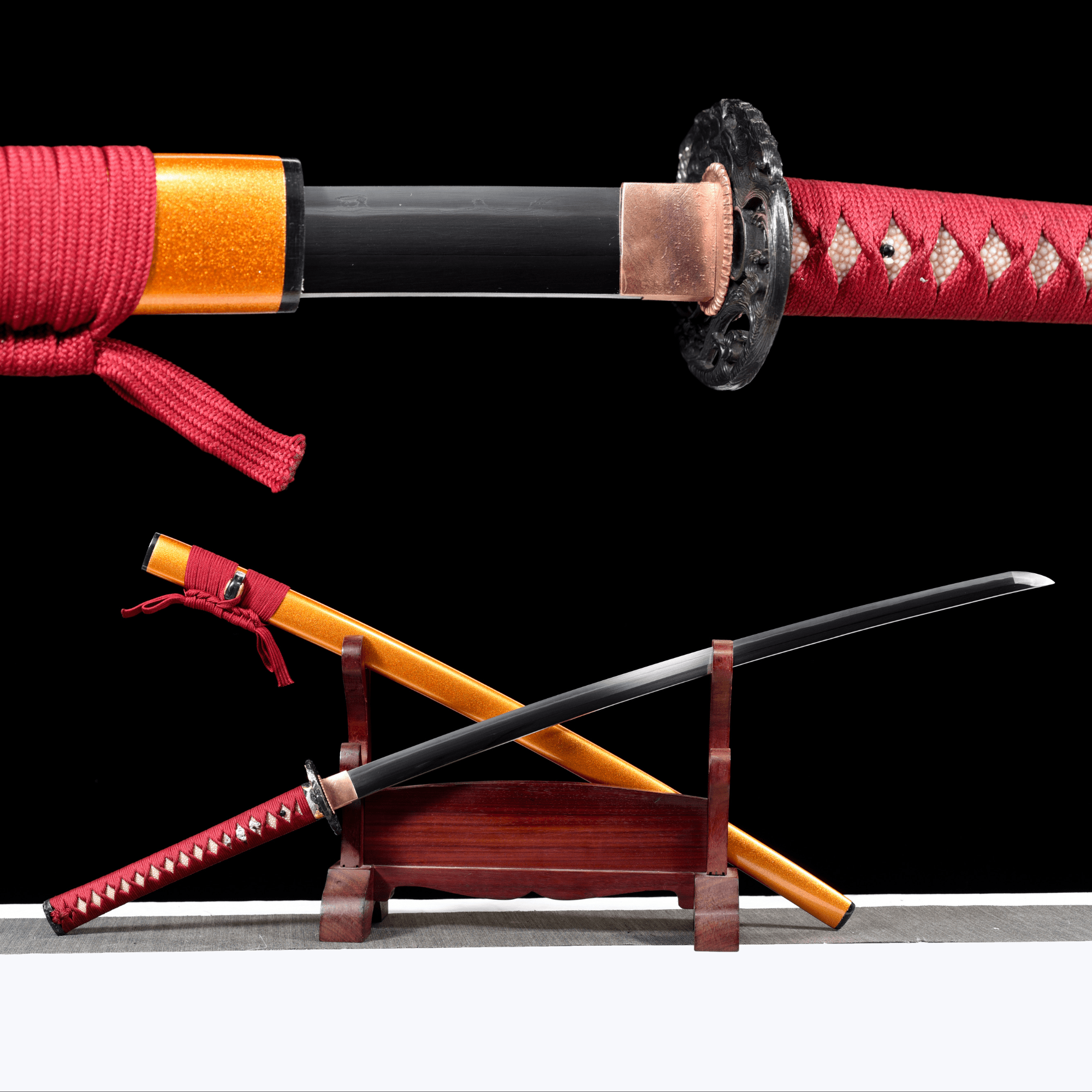
In addition to our traditional and performance-focused swords, KatanaSwordArt offers a variety of Anime Swords, fantasy-inspired designs, colourful saya, decorative fittings, coloured blades, and themed katana.
These models are ideal for customers who prioritise visual style, theme, and affordability.
No.
KSA Sword is our own house brand, but KatanaSwordArt also offers products from other collaborating manufacturers and suppliers.
Our KSA Sword range gives us greater control over production and quality standards, while our other collections allow us to offer a wider range of designs, colours, themes, and price points.
For selected manufacturer-produced models, you are welcome to contact us for a price comparison if you find the same specification offered by another Australian retailer.
The products being compared should be genuinely equivalent in specifications and configuration.
Yes.
Through our Custom Japanese Sword and Custom Iaido Sword services, blade length and tsuka length can be customised depending on the project.
Other options may include blade geometry, steel type, hamon, hada, kissaki style, bo-hi, niku, polish, fittings, samegawa, tsuka-ito, sageo, and saya finish.
Yes.
Our Custom Japanese Sword service allows customers to combine different fittings, colours, materials, and blade specifications.
Depending on the project, you may be able to choose the tsuba, fuchi-kashira, menuki, habaki, samegawa, tsuka-ito, sageo, saya finish, blade construction, hamon, and other specifications.
We can discuss historical or museum-inspired reproduction projects.
Customers may provide photographs, museum references, historical examples, or other visual material as a starting point.
Because original materials, dimensions, and historical production methods may not always be possible to reproduce exactly, each project is assessed individually and may require practical adjustments.
For serious Iaido practice, we recommend our Custom Iaido Sword range.
Unlike a general display sword, an Iaido sword should take into account factors such as:
- Nagasa
- Tsuka length
- Overall weight
- Balance
- Saya fit
- Tsuka stability
- Bo-Hi
- Tachikaze
- Long-term handling comfort
The sword can be configured according to the practitioner's height, training requirements, and personal preferences.
Yes.
For Custom Iaido Sword orders, we can use your height and training requirements as part of the process when selecting or customising blade and tsuka dimensions.
If your dojo or instructor has specific requirements, we also recommend providing those specifications before production.
Selected custom configurations can include Japanese-made genuine silk Tsuka-Ito.
Other available upgrades may include Hishigami-assisted Tsukamaki, genuine rayskin, high-precision tsuka fitting, high-precision saya fitting, and different koshirae options.
Availability depends on the individual configuration.
Hishigami are small folded paper wedges placed beneath the tsuka-ito during traditional-style handle wrapping.
They help support the shape of the diamonds, improve consistency, and contribute to a tighter and more stable tsukamaki when properly executed.
This is particularly useful for customers who expect regular martial arts use.
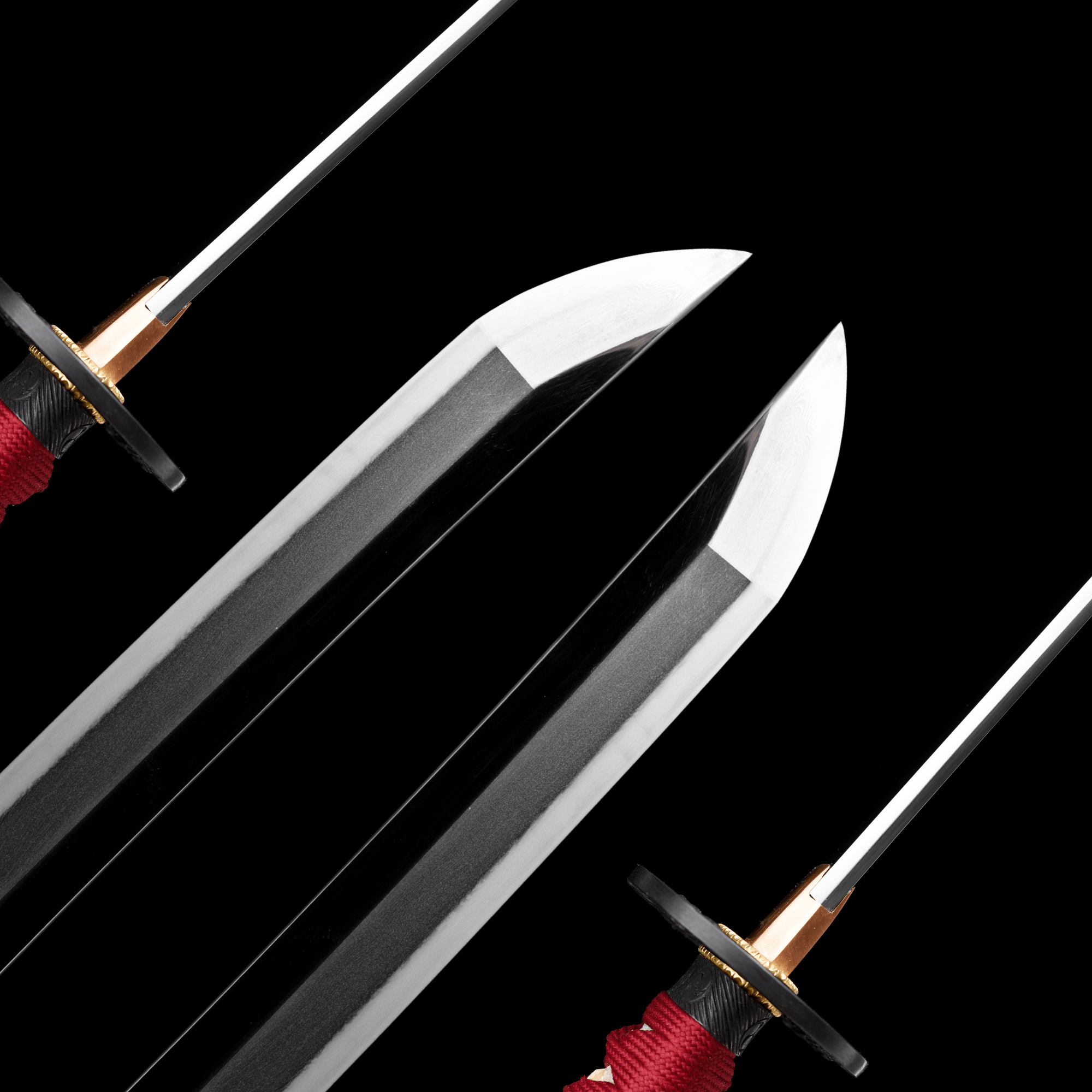
An Authentic Kissaki Structure means the blade tip is shaped and finished with a properly defined kissaki geometry rather than simply being ground into a generic pointed end.
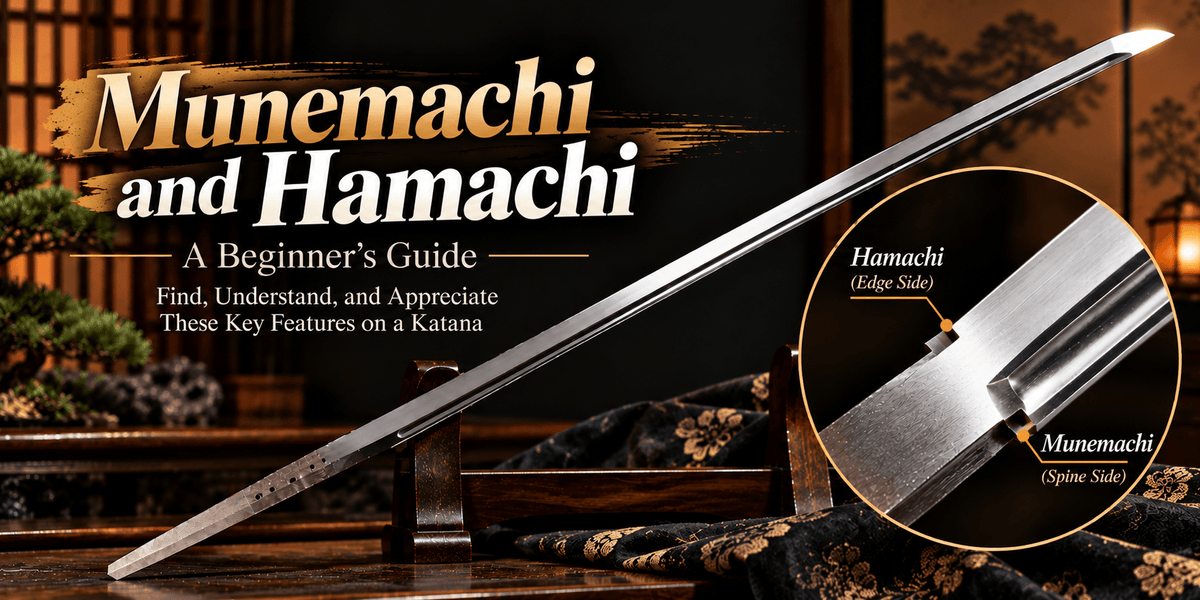
This includes the correct relationship between the kissaki, yokote, shinogi, and surrounding blade geometry.
Yes.
When a product is listed with Genuine Rayskin, it uses real stingray skin rather than a synthetic imitation.
Depending on the model or custom specification, the samegawa may be used as panels or as a full wrap around the tsuka core.
That depends entirely on your intended use.
A sharpened Shinken may be appropriate for experienced users and cutting practice where legally permitted.
An unsharpened sword is often more suitable for Iaido, kata practice, training, display, or customers who do not require a live cutting edge.
Always consider your experience level, training environment, local laws, and dojo requirements before choosing.
Not necessarily.
A Bo-Hi can reduce blade weight and alter handling characteristics. On training swords, it can also produce Tachikaze, which some Iaido practitioners use as feedback on blade alignment.
A solid blade without Bo-Hi may feel different and can be preferred by customers who want more blade mass.
Neither option is automatically better; it depends on your intended use and personal preference.
Yes, depending on the blade and project.
A replacement tsuka should normally be fitted to the actual nakago shape and dimensions, rather than being treated as a generic standard-sized component.
We may ask you to provide measurements, photographs, or the blade itself depending on what is required for accurate fitting.
Yes, depending on the project.
A properly fitted saya needs to account for the actual blade geometry, sori, habaki dimensions, motohaba, thickness, and overall blade shape.
For this reason, replacement saya work is normally treated as a custom fitting project rather than a generic replacement part.
The easiest way is to start with your main purpose.
Choose KSA Sword if you prioritise overall quality and value.
Choose Performance Katana if you mainly want a practical sword for tatami cutting.
Choose High-End Katana if you care most about hamon, hada, and complex blade craftsmanship.
Choose Custom Japanese Sword if you want full control over dimensions, blade specifications, colours, and fittings.
Choose Custom Iaido Sword if your priority is long-term Iaido training.
If you are still unsure, contact us with your intended use, budget, preferred appearance, and any specific requirements, and we can help narrow down the most suitable options.